science and discovery
57 new species found in Argentina’s deep-sea canyon
Scientists have identified 57 marine species new to science in samples from the Mar del Plata submarine canyon off Argentina, increasing an initial estimate of at least 40.
The findings emerged from a July 2026 workshop in Buenos Aires, where 20 specialists from Latin America and Europe examined material gathered during an August 2025 expedition. Led by researchers from Argentina’s national scientific research council, CONICET, the 21-day voyage used a remotely operated underwater vehicle to collect specimens and images.
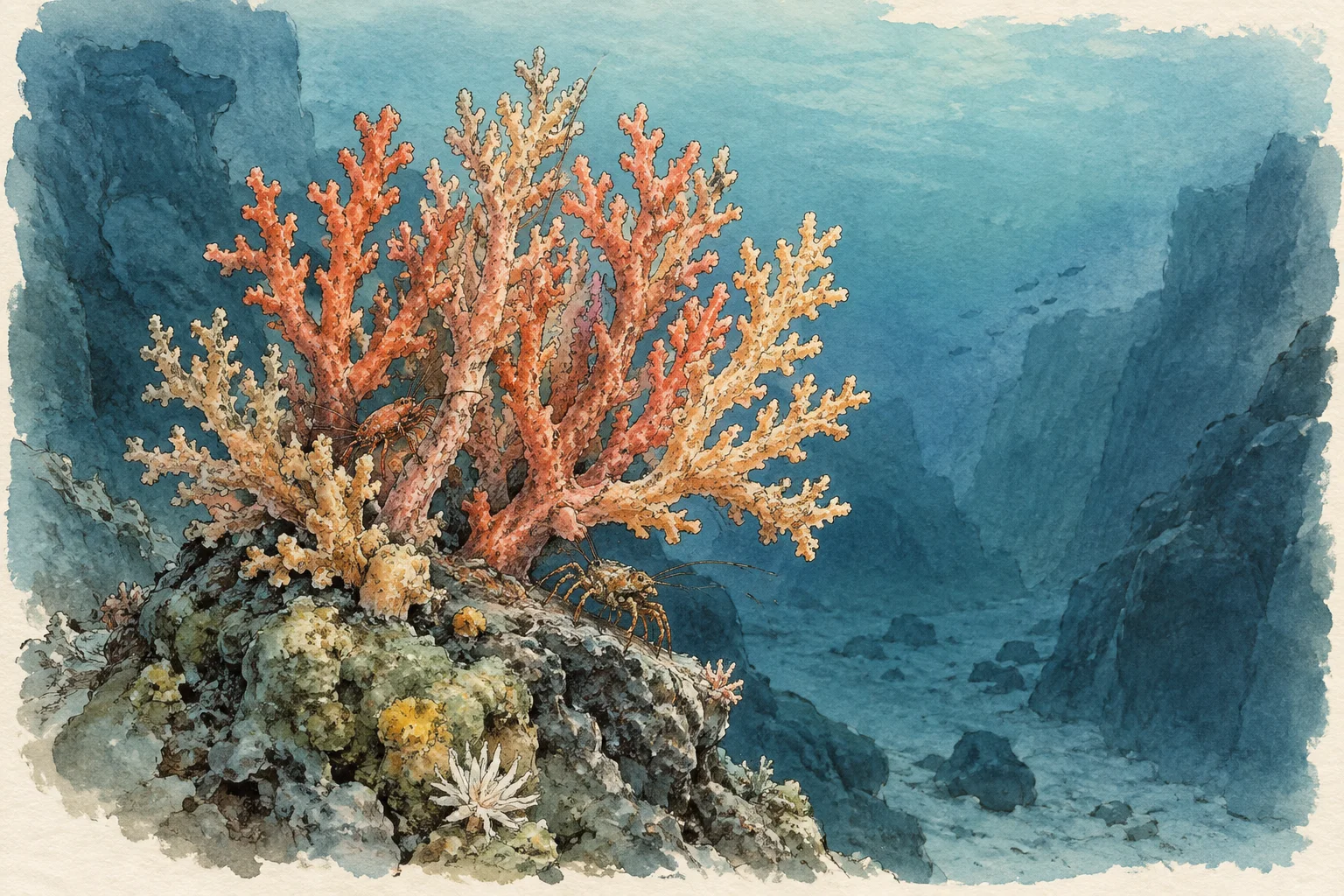
The discoveries include tiny crustaceans, corals, sea cucumbers and a mollusc with a tubular shell. Among the most distinctive is a sea cucumber nicknamed “Loki”, whose horn-like appendages inspired its name. Some of the newly identified corals help create habitats for other deep-sea life.
There may be more discoveries ahead. Researchers identified 20 new species of copepods, a group of small crustaceans, after examining just 10% of the available samples from that group. Much of the expedition’s collection still awaits study.
Organised by Ocean Census and the Schmidt Ocean Institute, the workshop used methods combining physical features with genetic analysis to help distinguish species. The discovery records are now available through the open-access Ocean Census NOVA platform, while the specimens will be preserved in Argentine scientific collections for future research.
Sources
- infobaeEl cañón submarino de Mar del Plata escondía 57 especies nuevas: qué hallaron los científicos a 3.900 metros de profundidad
- La NacionConfirman el hallazgo de 57 nuevas especies en la expedición a los cañones submarinos del Mar Argentino
- El EspectadorEn fotos: Descubren 57 nuevas especies marinas en los cañones submarinos de Argentina