science and discovery
A campus frog and a mountaintop toad are new to science
Scientists have identified two amphibian species new to science in Mizoram, northeastern India: a stream-dwelling frog long mistaken for another species and a toad found high in a mountain national park.
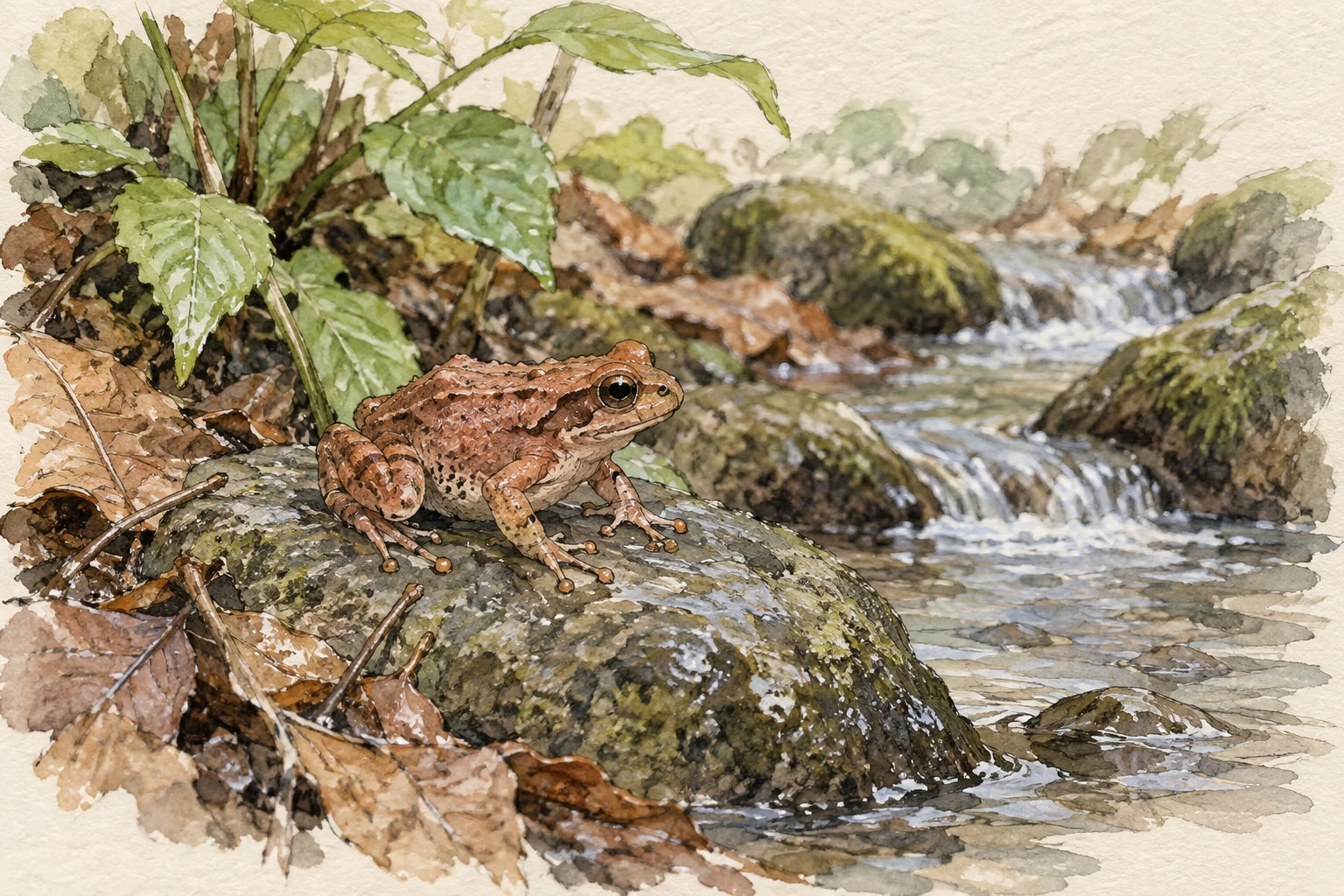
The campus frog, now named Ingerana aizawl after the state capital, was discovered along a stream at Mizoram University. Only 22 to 26 millimetres long, it has a wrinkled back and calls at night, usually in a sequence of 12 notes. DNA analysis and close examination of its physical features established that it was distinct from other recognised species.
The second species, Duttaphrynus phawngpui, was found above 2,000 metres in Phawngpui National Park. Its brown, blotched body bears a thin pale stripe down the back. Genetic evidence, body measurements and comparisons with museum specimens confirmed it as a separate species.
The findings, described in Zootaxa and Taprobanica, highlight gaps in knowledge of the region’s wildlife, from campus forest patches to isolated uplands. They also create a clearer starting point for conservation. The campus frog needs its own conservation assessment, while the toad is known from just one location. Further surveys are needed to establish the toad’s range and population size, especially because mountaintop species can be vulnerable to warming as suitable habitat shrinks.