science and discovery
A record iron hoard sheds light on ancient Danube trade
Archaeologists have identified Europe’s largest known prehistoric hoard of iron bars in Austria: at least 500 bars with an estimated original weight of just over a tonne. The find offers rare evidence of the scale of metal production and river transport more than 2,000 years ago.
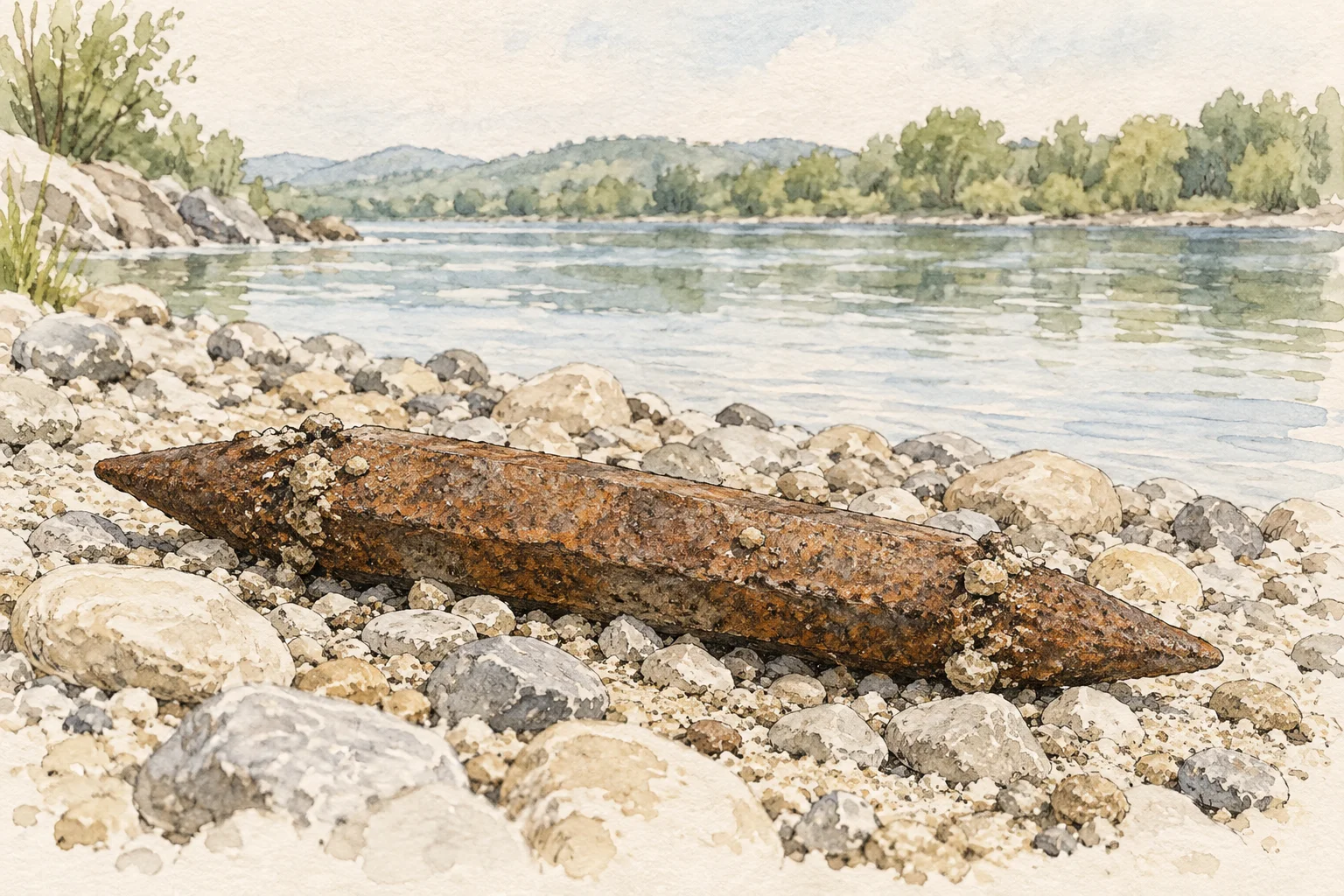
The bars were uncovered in 2019 during gravel extraction at Deinham, beside an old channel of the Danube. Workers noticed the unusually pointed objects, and Austria’s heritage authorities were alerted. Further searching recovered hundreds of pieces that might otherwise have been treated as scrap.
A study published in Antiquity by Peter Trebsche of the University of Innsbruck and Marion Berranger places the iron in the later Iron Age. Thick in the middle and pointed at both ends, the bars were not finished goods, but material prepared for smiths to turn into tools, weapons and jewellery.
Their location and concentration suggest a cargo lost during river transport, although no remains of a boat have been found. Researchers suspect the iron came from what is now Bavaria, upstream, but its exact origin and destination remain unknown.
Now held by Upper Austria’s regional museum, the bars are being protected from further corrosion. Further analysis aims to trace their source and test whether they came from a single workshop, helping researchers understand trade routes that remain poorly known.
Sources
- Spiegel OnlineÖsterreich: Archäologen melden größten urgeschichtlichen Eisenfund Europas
- eldiario.esHallan en Europa un tesoro de la Edad del Hierro con material suficiente para fabricar 500 espadas
- nachrichten.at"Größter derartiger Fund in Europa": In Hartkirchen entdeckte Eisenbarren sind mehr als 2000 Jahre alt