technology and innovation
AI decodes part of a 400-year-old cipher in 29 minutes
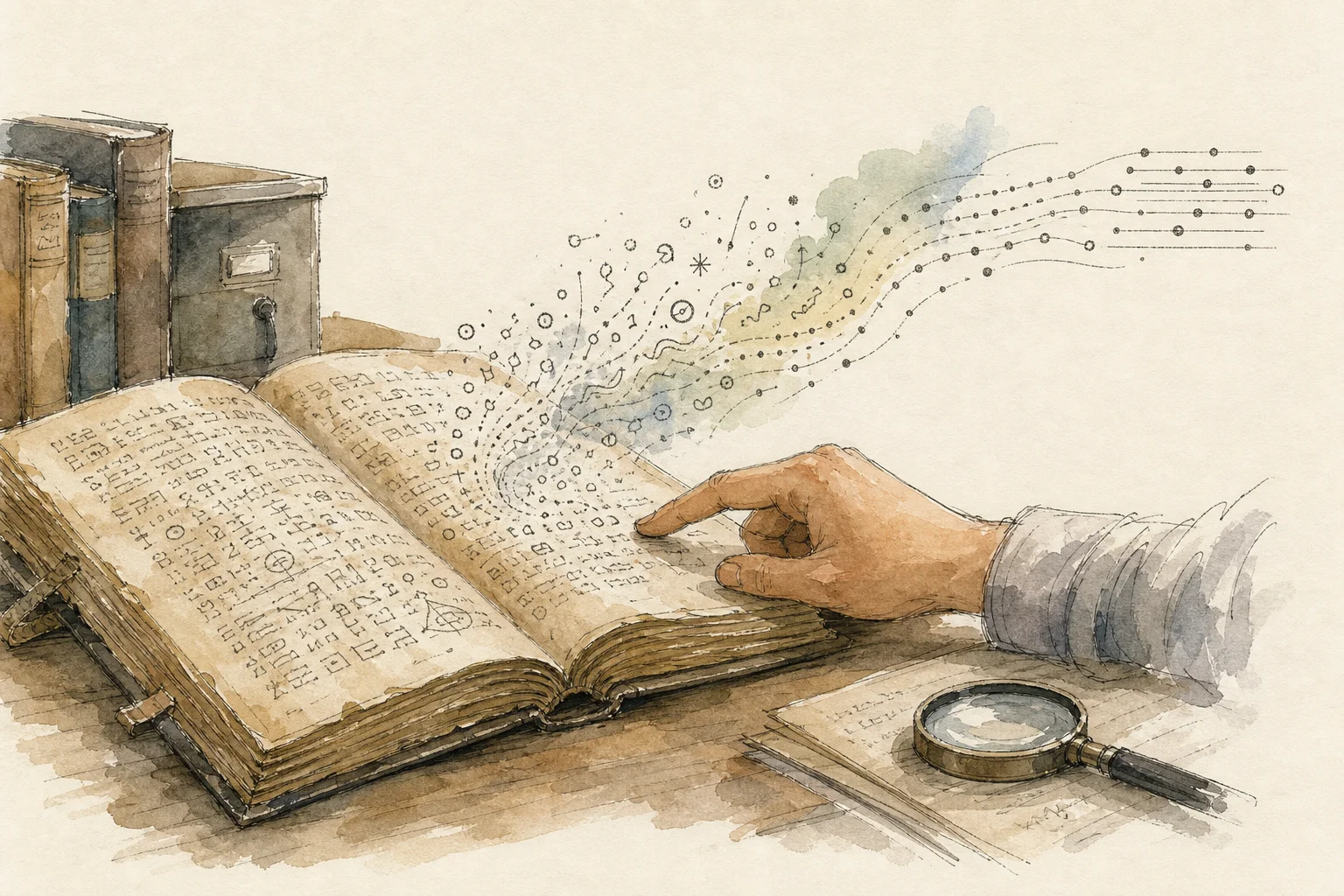
Researchers have demonstrated an AI tool that can translate and decode a 500-symbol passage from a centuries-old manuscript in just over 29 minutes. The system also documented its process and explained why the result was plausible, helping experts check that it had not invented an interpretation.
The test used the Borg cipher, a 408-page manuscript held by the Vatican Library that remained unread for more than 400 years. Written with 34 unfamiliar symbols alongside some Roman letters, it was eventually deciphered with help from machine learning. Its pages contain thousands of historical remedies, including suggested treatments involving red wine and fermented nutmeg.
The newer chatbot-style tool combines code-breaking algorithms, language models trained on historical writing and image-recognition techniques. Its developers are working toward a system that can read photographs of handwritten documents and decipher them in one step. It also rapidly solved passages from two other previously decoded ciphers, providing benchmarks against known answers.
Challenges remain. Faded ink, damaged pages, invented symbols and unknown languages can confuse automated systems, while suitable training material is scarce. Existing transcription tools still require human corrections, and specialist knowledge remains central to validating results. Even so, the technology could make it practical to investigate far more of the coded material preserved in archives worldwide.