Technology and innovation
AI recreates what people see with less brain-scan data
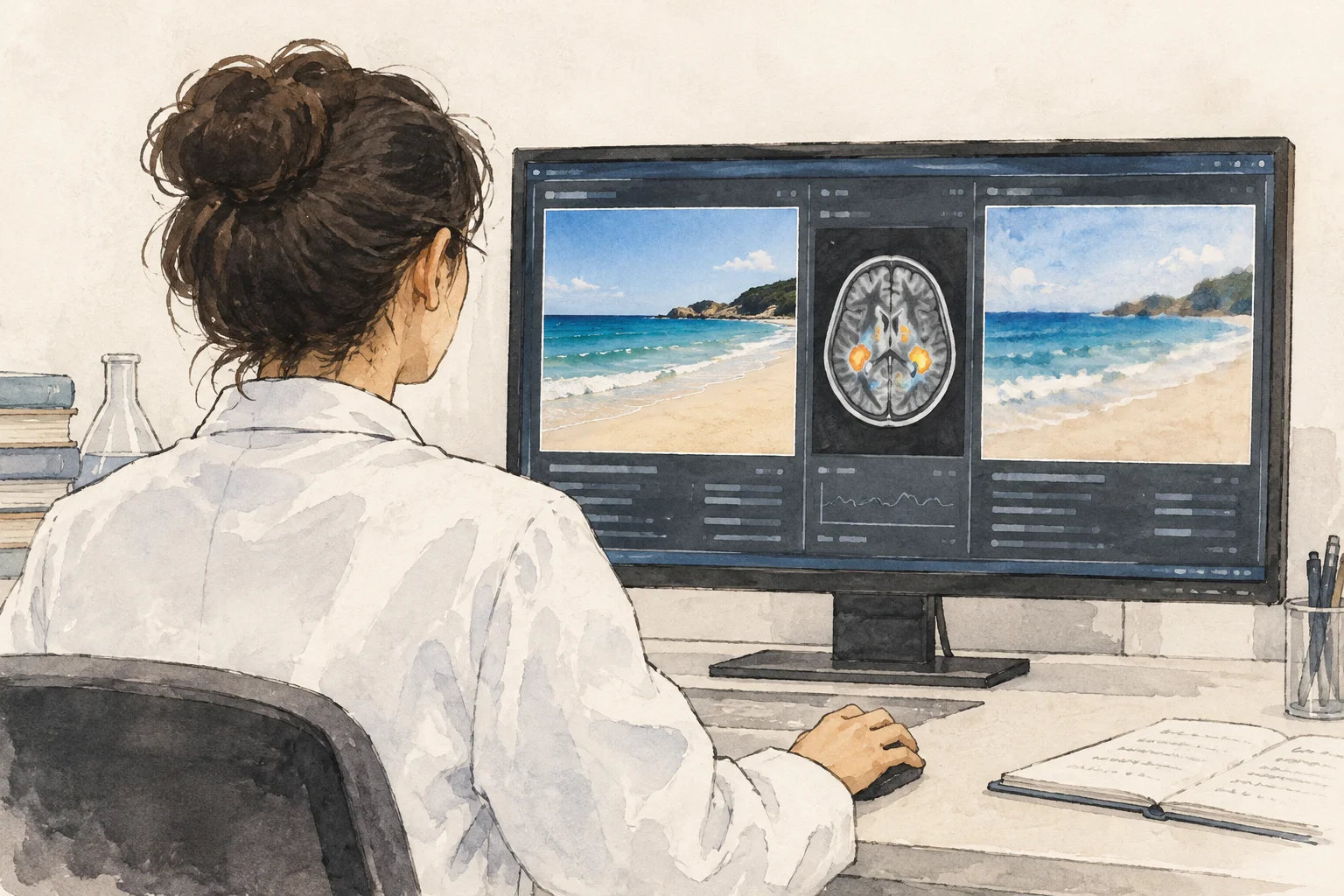
An AI system developed at Israel’s Weizmann Institute of Science has reconstructed detailed pictures of what people were viewing from their brain scans. Researchers say it preserves colour, layout and content better than earlier methods.
Called Brain-IT, it also needs much less recorded data from a new participant. The team reports that one hour of scans was enough to match results achieved by other methods trained on 40 hours of recordings.
The researchers started with a public dataset from eight volunteers who viewed thousands of images inside a functional MRI scanner, which tracks brain activity through changes in blood flow and oxygen. They then trained another AI model to predict the brain activity an image would produce. Those simulated scans supplied extra training material without requiring people to spend more hours in the machine.
The reconstructed scenes included baseball games, birds and beaches. But the system still makes mistakes: in one example, it turned a dog in a bathtub into a goat in a bathtub.
For now, this remains a laboratory tool requiring an MRI scanner and a willing participant. Its demonstrated achievement is reconstructing images people are looking at, not reading their private thoughts, memories or dreams.