Science and discovery
An Instagram photo leads to a new giant waterlily species
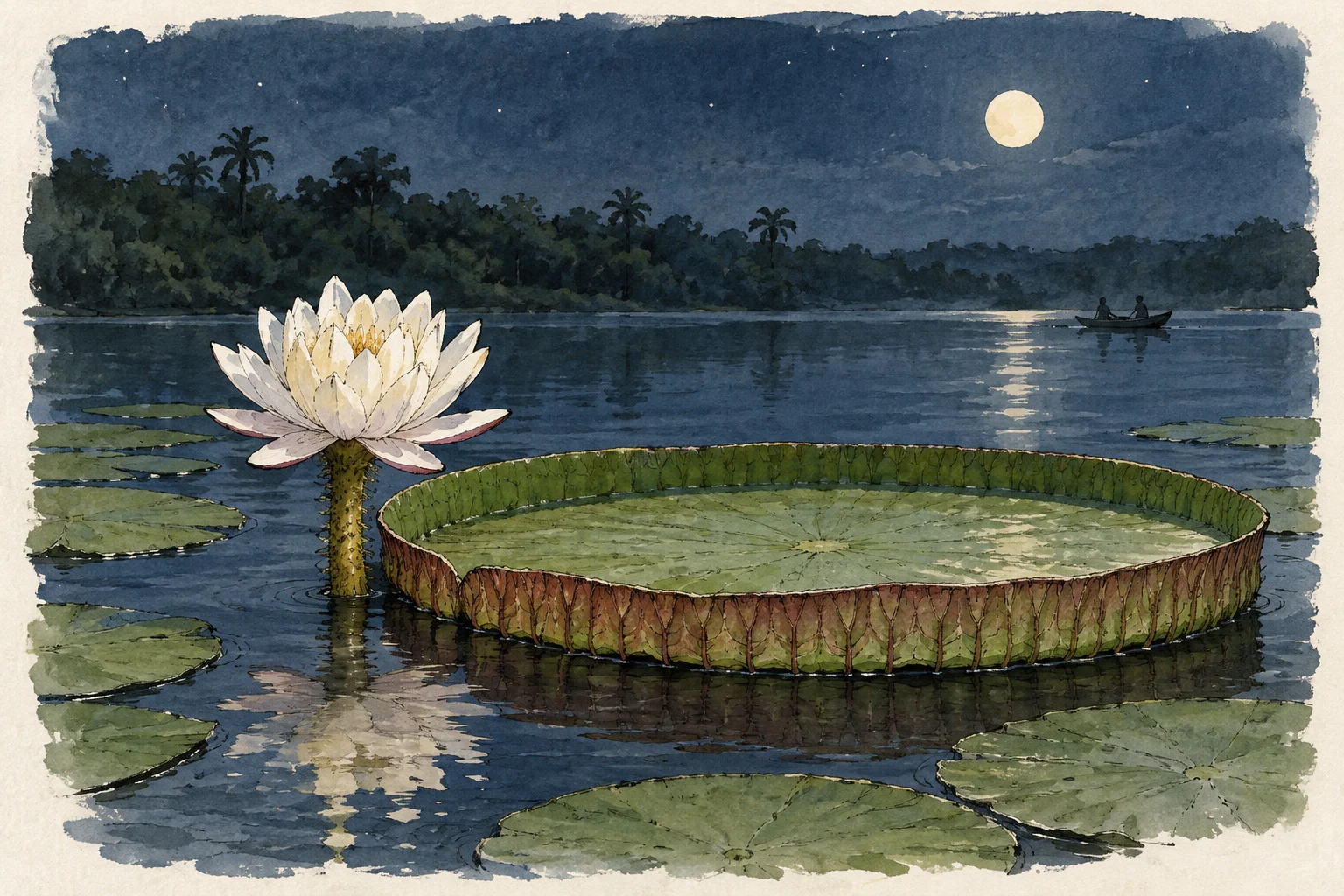
A giant waterlily known to Indigenous communities in Colombia has been formally identified as a species new to science. Named Victoria colombiana, it was described in the journal Phytotaxa after researchers combined local knowledge, satellite images and a clue from Instagram.
The investigation began with photographs taken by US plant grower Jeremiah Harris near the Inírida River. Carlos Magdalena, a waterlily expert at the Royal Botanic Gardens, Kew, noticed something unexpected: the location lay outside the known range of the species Harris thought he had photographed.
Satellite images helped researchers locate the plants. But the team, which included researchers from Bogotá’s botanical garden and Indigenous guides, needed flowers to establish whether this was a distinct species. On the expedition’s final night, guide Gustavo Melo led an overnight boat trip to another lake. There, the team found flowering plants and collected material for identification. Differences in the flowers and spines helped distinguish the waterlily from its close relative, Victoria amazonica.
Researchers estimate that only 30 to 50 plants exist in the wild, and they are seeking an official assessment of its extinction risk. Conservation plans remain at an early stage: the team hopes to collect seeds for cultivation in Bogotá and is considering establishing plants in a more accessible lake within Indigenous territory.
Sources
- The GuardianHow a plant selfie in Colombian jungle led to 'jaw dropping' giant waterlily find
- EL PAÍSVictoria colombiana: descubren nueva especie del emblemático lirio de agua gigante
- El EspectadorColombia tiene una nueva especie de planta: la Victoria colombiana
- New ScientistNumber of known species of giant waterlilies almost doubles | New Scientist