science and discovery
Ancient DNA recasts extinct ‘American cheetah’ as a puma relative
Ancient DNA has identified three roughly 31,000-year-old cat fossils from Canada’s Yukon as Miracinonyx trumani, the extinct predator often called the “American cheetah.” The specimens, from Bluefish Caves and Upper Quartz Creek, provide the first published record of the species in Canada and extend its known range into the Arctic.
Researchers sequenced DNA from those remains and a fourth fossil from Wyoming. Their family tree places Miracinonyx beside the puma lineage, not with modern African and Asian cheetahs. The two sister species shared a common ancestor around 2.6 million years ago. This confirms that a cheetah-like body shape, which had shaped assumptions about its speed and hunting style, did not mean the animals were close relatives.
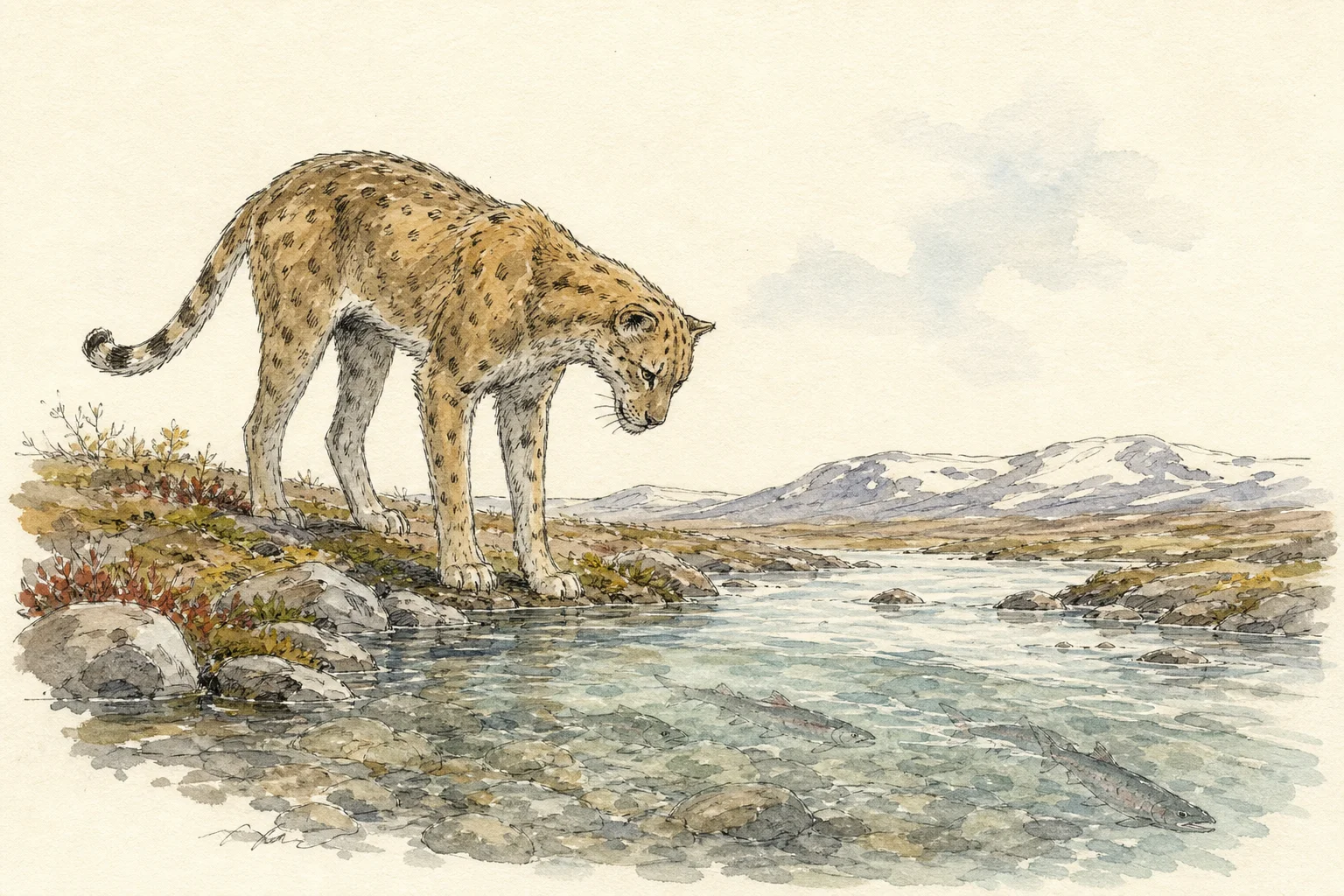
Chemical clues in the bones also revealed striking regional flexibility. Wyoming cats appear to have eaten land herbivores, while isotope values from the Yukon fossils suggest a diet rich in fish, potentially almost exclusive. Salmon or trout may have offered abundant food while reducing competition with much larger predators. Scientists do not yet know whether the cats caught fish themselves or scavenged them along riverbanks.
Published in Current Biology, the findings show how small, permafrost-preserved fragments can revise our understanding of a species’ identity, range and ecology. They replace a narrow picture of a specialist plains hunter with evidence of a cat able to survive in very different North American habitats.