Science and discovery
Ancient DNA reveals long-distance links across Ice Age Europe
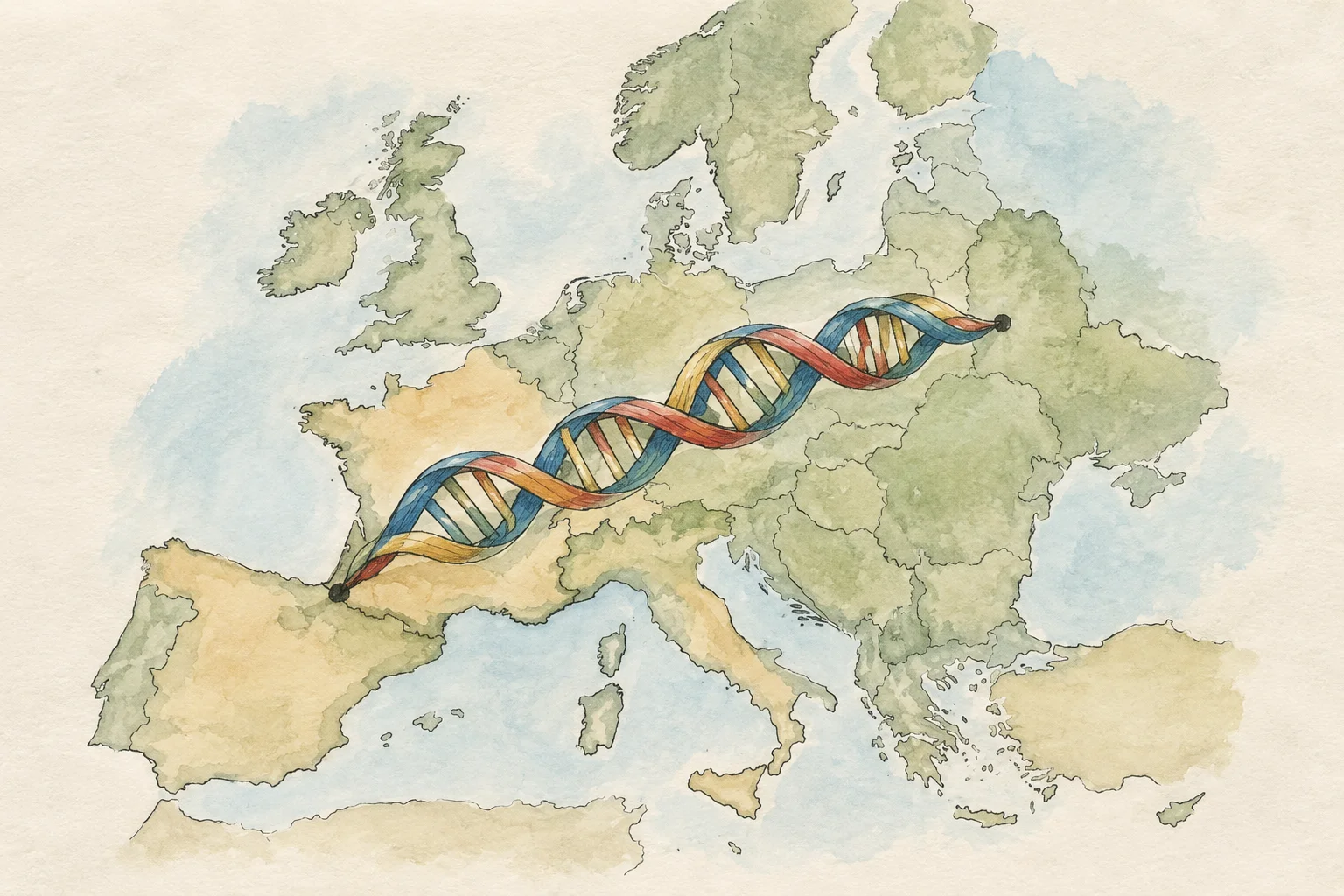
Researchers have uncovered genetic evidence that communities in eastern and western Europe were connected about 30,000 years ago, challenging earlier ideas about how isolated they were.
The key evidence comes from a woman whose remains were found in Isturitz Cave in southwestern France. Most of her ancestry was related to western European populations, but her DNA also revealed ancestry linked to people in central and eastern Europe.
The international team, led by the University of Vienna, reported the findings in Science Advances. The woman lived during the Gravettian, a hunter-gatherer culture known for its tools and artwork. Archaeological finds had already suggested widespread contacts, but earlier genetic studies pointed to largely separate eastern and western ancestry groups. Similar DNA evidence from another individual in France strengthens the case for connections. Together with archaeological evidence, the findings suggest Isturitz may have been a meeting place for different groups.
The researchers also recovered human DNA from a 22,000-year-old sediment layer in El Mirón Cave in northern Spain, despite the absence of human bones or teeth there. That DNA suggests western European ancestry persisted through the coldest phase of the last Ice Age, supporting the idea that the Iberian Peninsula served as a refuge.
The findings show that long-distance genetic exchange could coexist with regional ancestry lasting thousands of years.