health and healing
Argentina’s hemolytic uremic syndrome cases fall to decade lows
Argentina recorded 209 cases of hemolytic uremic syndrome in 2025, the country’s lowest total and incidence for the 2015 to 2025 period. The rate fell to 0.44 cases per 100,000 people, with 90 fewer cases than the annual average from 2019 through 2024.
The decline has continued in 2026. By August 19, the national surveillance system had received 73 reports, 39 fewer than the average for the comparable period in 2021 to 2025 and the lowest figure for that point in the year since 2016. Cases have also decreased among children under five, although young children remain especially vulnerable. In 2025, children aged two to four accounted for 43% of cases, while one-year-olds accounted for 30%.
The syndrome can cause acute kidney damage, destruction of red blood cells and a dangerous drop in platelets. In Argentina, it is most often linked to Shiga toxin-producing Escherichia coli, which can spread through contaminated food or water, contact with animals, or inadequate hand hygiene.
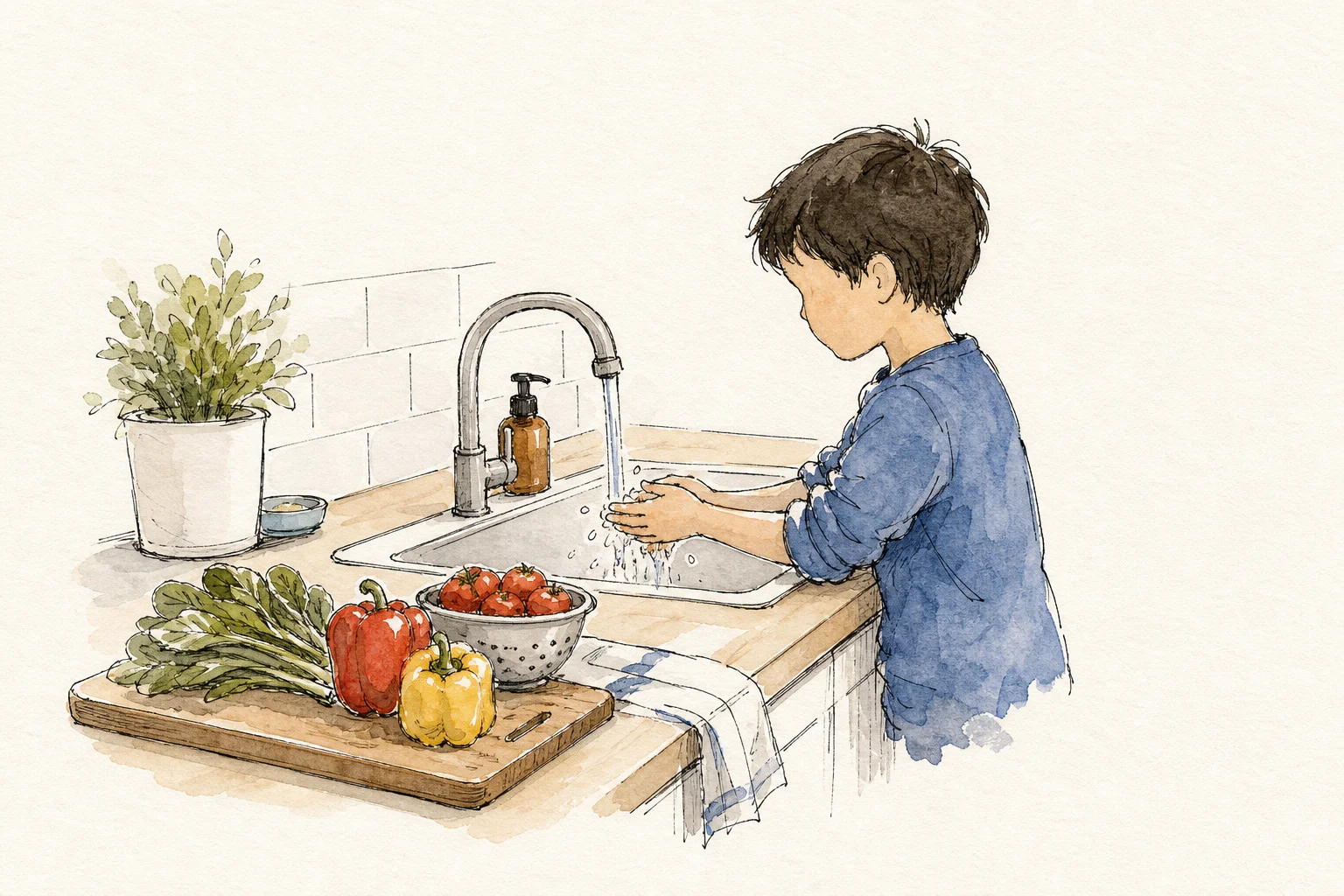
There is no specific treatment, making prevention particularly important. Recommended steps include fully cooking meat, separating raw and cooked foods, using safe water, choosing pasteurised dairy products, washing produce and cleaning hands carefully. Argentina has also strengthened surveillance to detect infections earlier and help identify their sources.
Sources
- infobaeSíndrome urémico hemolítico en Argentina: los últimos registros de casos y las medidas clave de prevención
- PerfilSUH: bajaron los casos en Argentina, pero los chicos siguen siendo los más vulnerables
- Diario PopularEl síndrome urémico hemolítico cae a su nivel más bajo en 10 años: hubo 73 casos en 2026