science and discovery
Argentine fossil points to live birth 236 million years ago
A microscopic growth mark in an Argentine fossil has provided the first compelling, though indirect, evidence that a non-mammalian ancestor of mammals gave birth to live young about 236 million years ago. The finding could move the known appearance of live birth in the mammalian lineage back by 90 to 95 million years, challenging the assumption that early cynodonts laid eggs.
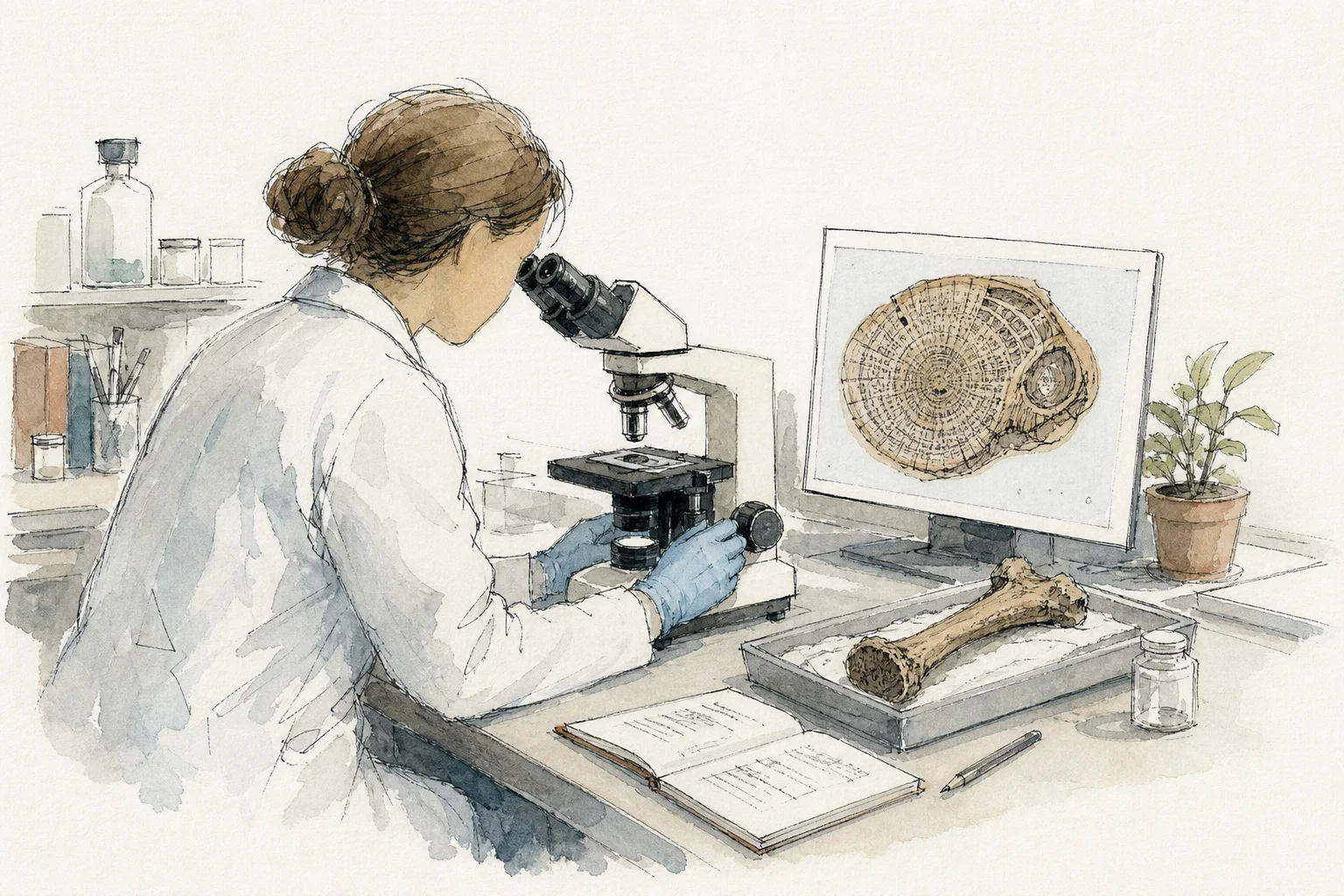
Researchers examined the bone microstructure of an adult Chiniquodon theotonicus found in northwestern Argentina. They identified a neonatal line, a ring associated in living animals with a sudden acceleration in growth around birth. Using that line and the bone’s outer surface, they estimated the animal weighed about 1.7 kilograms at birth and 12 kilograms when it died. Its newborn mass was therefore about 14% of its later mass, a ratio much closer to living placental mammals than similarly sized reptiles or birds.
The fossil contains no embryo or direct sign of pregnancy, so the conclusion remains an inference. It is also unclear whether live birth was widespread among cynodonts or evolved independently in this species. More fossils will be needed, but the result suggests that a defining reproductive strategy appeared far earlier among mammalian ancestors than previous evidence indicated.
Sources
- ScienceDailyA 236-million-year-old fossil could rewrite the story of mammalian birth
- Agencia SincUn fósil de hace 236 millones de años adelanta el posible origen del nacimiento de crías vivas en los mamíferos
- International Business Times, Singapore EditionDid Mammals Give Birth To Live Young 236 Million Years Ago? Fossil Discovery Explained