Science and discovery
Artemis II’s faint flashes reveal small rocks striking the Moon
Artemis II astronauts observed five extremely faint flashes from rocks hitting the Moon, gathering rare evidence that could help scientists assess risks to future lunar bases. NASA has now shared their observations as part of a public archive of the mission’s science data.
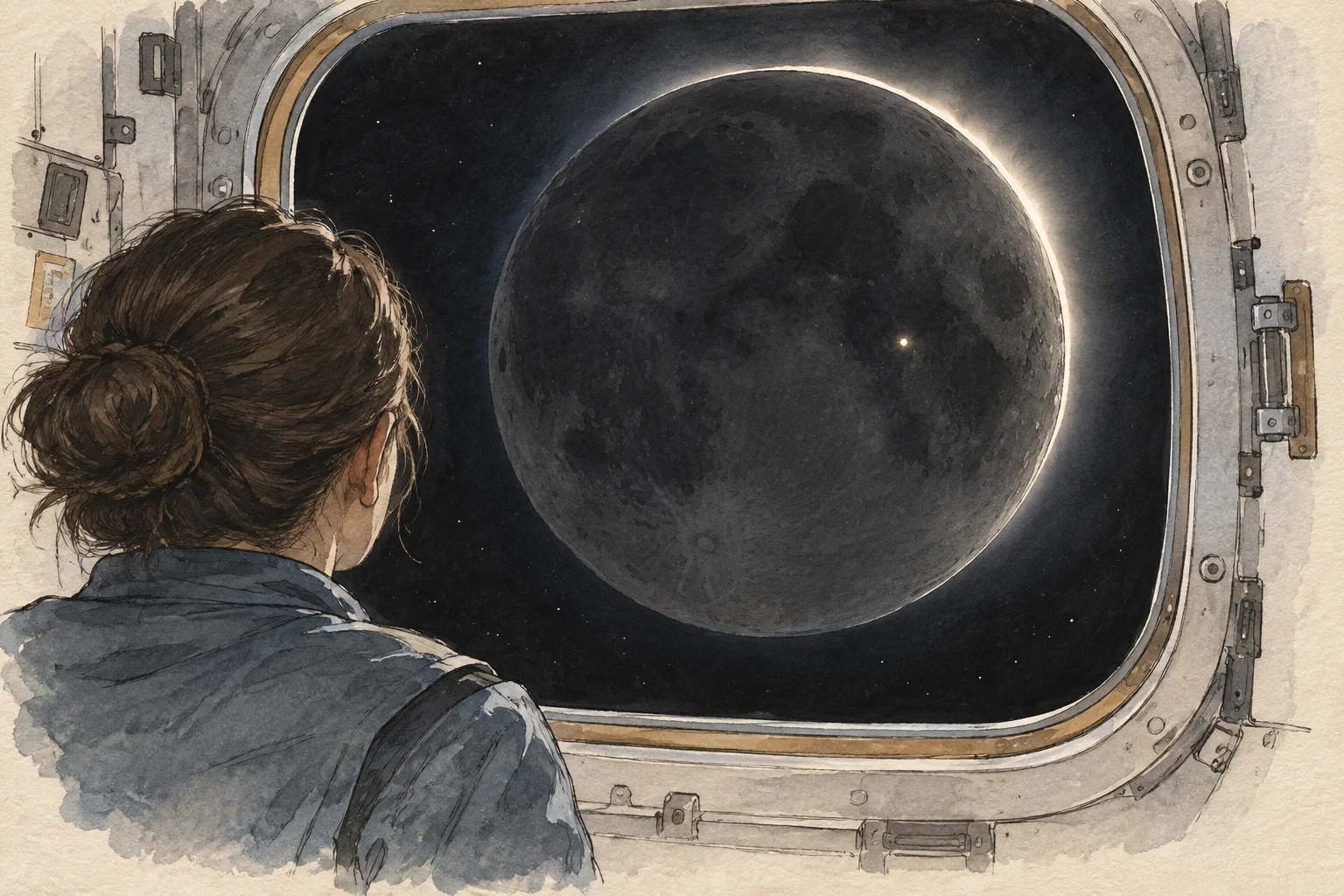
The crew saw the flashes from about 74,000 kilometres (46,000 miles) away while passing the Moon’s far side. The Moon blocked the Sun for 54 minutes, creating unusually dark conditions for spotting the brief bursts. Scientists ruled out cosmic rays and reflections from the spacecraft before confirming the sightings.
Based on the flashes’ brightness, researchers estimate the incoming rocks were only a few centimetres across. Travelling at thousands of kilometres per hour, they produced visible light when they hit. The Moon has no atmosphere to slow or burn up such debris.
The released collection contains more than 800 gigabytes of data, including over 11,000 full-resolution images and videos, 8.5 hours of spoken observations and pictures annotated by the crew. Researchers and the public can explore it through NASA’s planetary science archive.
Beyond the impacts, astronauts documented subtle surface colours and the long shadows cast near the boundary between lunar day and night. These observations can help scientists understand how lighting affects what explorers see, an important question for future missions near the lunar south pole.
Sources
- Economic TimesNASA releases 800GB of moon data: What did Artemis II astronauts see around the moon?
- Olhar Digital - O futuro passa primeiro aquiNASA libera 11 mil imagens inéditas da Lua feitas pela Artemis 2
- WiredNASA Just Made Nearly 1 TB of Artemis II Data Available to the Public
- Science @ NASAArtemis II Preliminary Lunar Science Report - NASA Science