science and discovery
Astronomers reveal the faint galaxies behind mysterious early-universe red dots
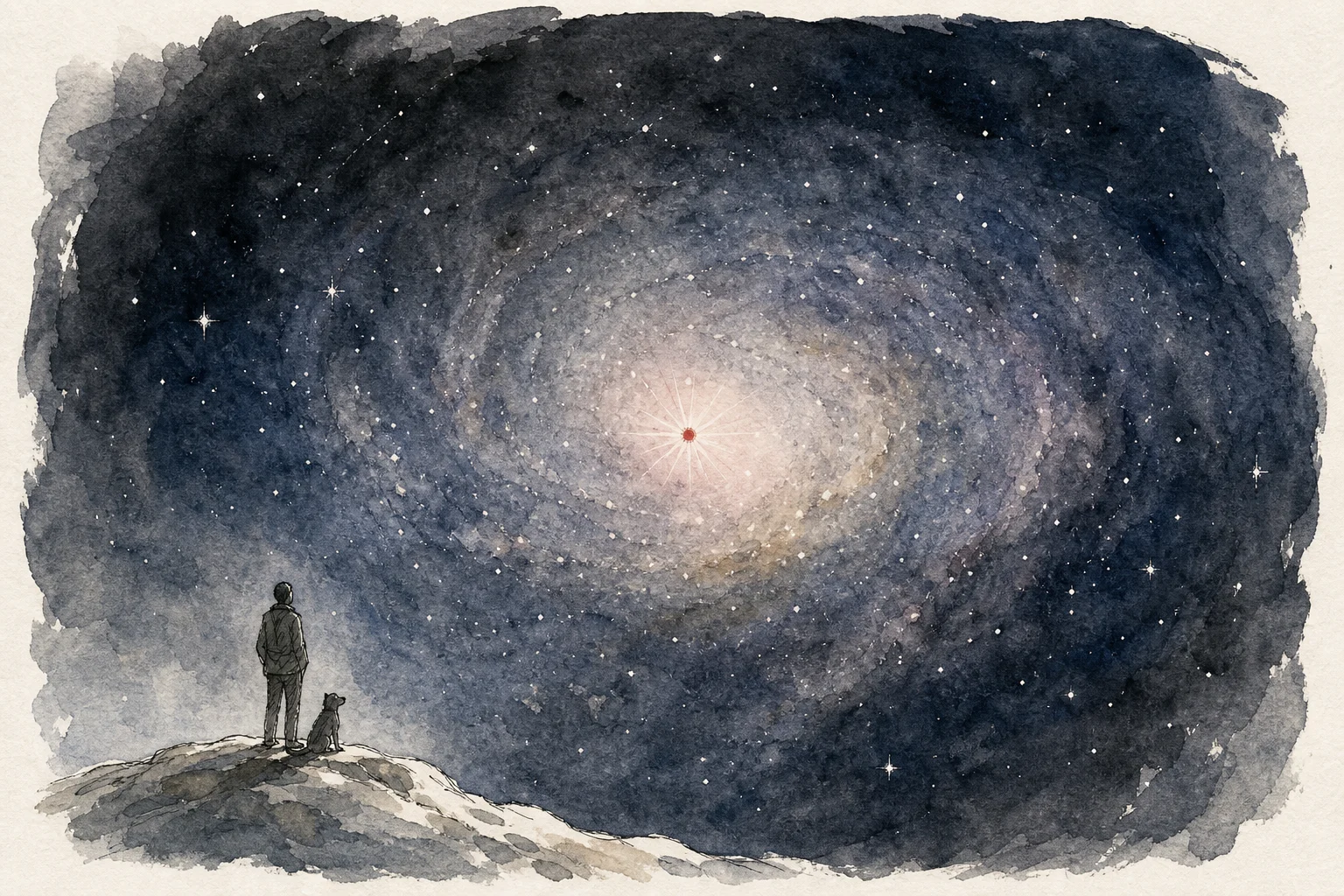
Astronomers have uncovered the faint host galaxies surrounding 217 mysterious “little red dots,” offering a clearer view of objects that appeared when the universe was only about one billion years old. The results strengthen the possibility that many of the compact sources contain rapidly growing supermassive black holes.
Using high-definition James Webb Space Telescope observations from the COSMOS-Web region, researchers modelled and removed the intense central light from each object. They then combined the images to detect the much dimmer starlight around them. At the red wavelengths studied, the host galaxies contributed only about 10% of the total light, showing how dramatically their central regions outshine them.
The newly visible galaxies are unusually compact. They are about 40% the size of typical galaxies from the same early period, or roughly 4% the size of the Milky Way today, and each contains an estimated one billion stars. Previous studies suggest the central black holes could range from 10 million to one billion times the Sun’s mass, although their masses remain highly uncertain.
Together, the findings suggest that some supermassive black holes may have accumulated much of their mass before their galaxies formed most of their stars. The exact identity and evolution of little red dots remain unresolved, but astronomers now have a stronger way to investigate how the first galaxies and enormous black holes grew together.