Nature thriving
Bluefin tuna’s UK comeback shows conservation can work
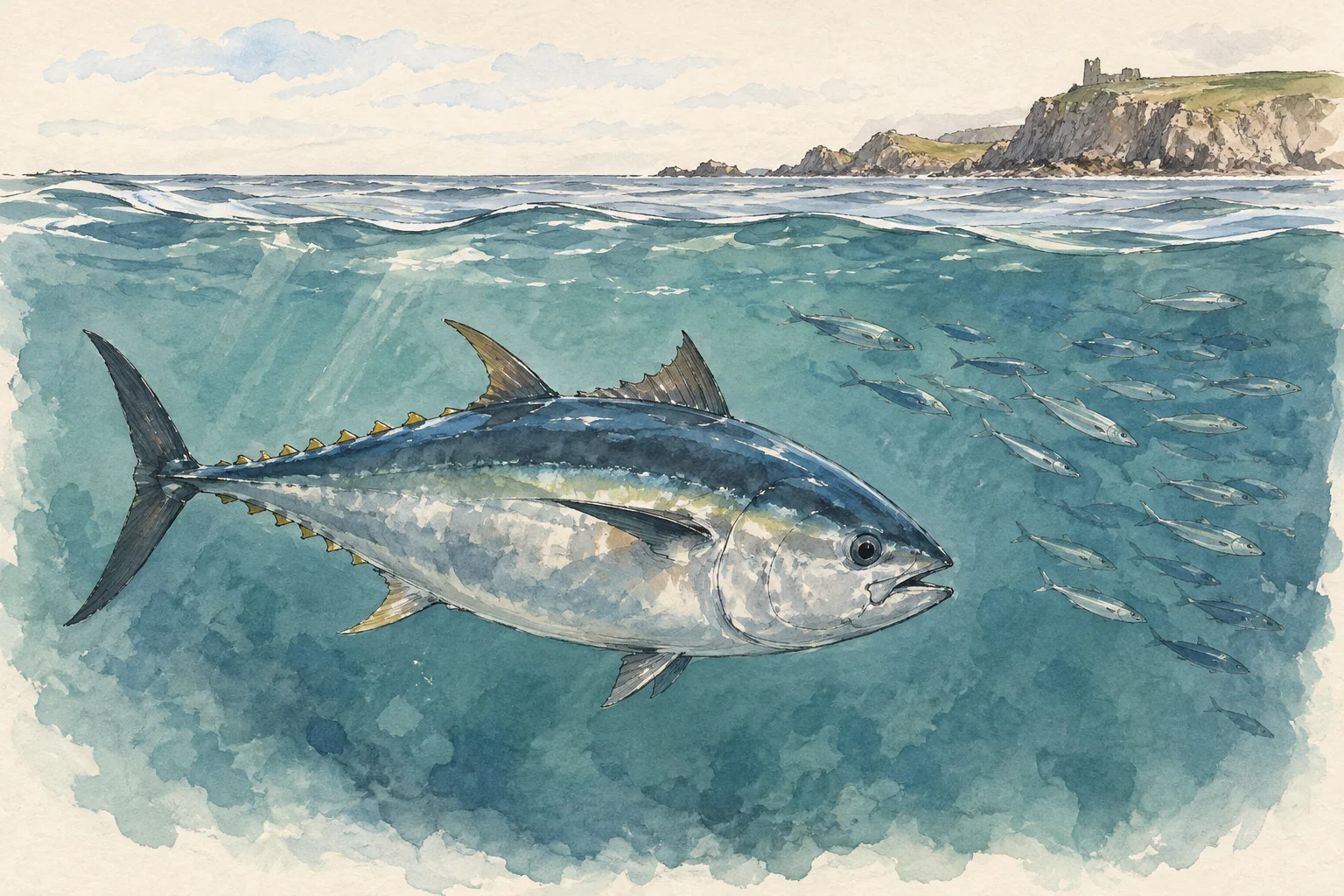
Atlantic bluefin tuna have returned in large numbers to UK waters, including off Cornwall, in a recovery highlighted by WWF as evidence that sustained conservation can help wildlife rebound.
The fish had virtually disappeared from these waters during the 1960s because of overfishing. International agreements to reduce catches and protect breeding areas have helped their recovery, while abundant prey such as sardines, mackerel and herring is drawing them towards British shores.
WWF’s Living Planet Report 2026 places the comeback alongside other encouraging gains. Global wild tiger numbers rose from about 3,200 in 2010 to 5,700 in 2025, supported by expanded protected areas, action against illegal trade and cooperation between governments and local communities. Some elephant populations in southern Africa are also stable or growing where communities play a role in conservation.
These successes do not erase the wider losses. Across nearly 36,000 monitored wildlife populations, the report records an average decline in population size of 73% since 1970. That is not a count of individual animals lost worldwide.
Yet roughly half the populations studied were stable or increasing. Those recoveries show that decline is not inevitable, even as habitat loss, overexploitation and climate change continue to threaten wildlife.