science and discovery
Brain organoids grow and mature in the lab for more than five years
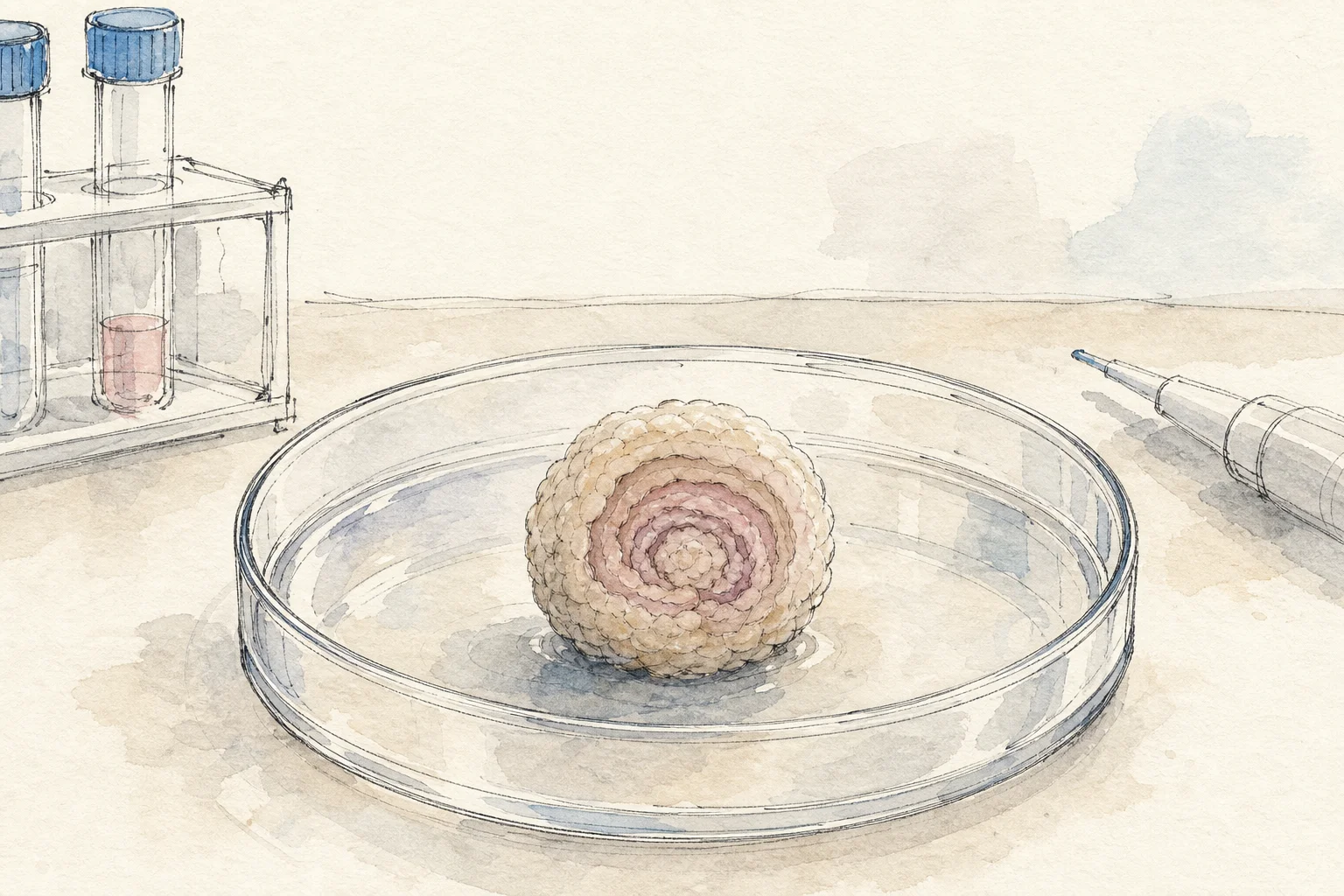
Researchers have sustained human cortical organoids in the laboratory for more than five years while the cells continued to develop on a timetable resembling the human brain. These simplified tissue models are not complete brains. Most such models begin deteriorating within months and mainly capture early development. The team analyzed 34 organoids, tracking molecular changes every three to six months for the first 18 months and yearly thereafter.
Gene-expression shifts in organoids aged 15 days to two months resembled those of the fetal brain in the first trimester; at three to six months, they matched second-trimester patterns. After a year, patterns were comparable to those in a newborn, and five-year-old organoids showed activity resembling the cerebral cortex of a typical four-year-old. The cultures also developed cell-specific signs of ageing, including myelination.
A mixing experiment offered further evidence that cells retained developmental age. Cells from 9- to 12-month-old organoids, placed with cells only 15 days old, continued producing later-stage neurons rather than reverting to an early program. The long-lived models could help researchers investigate how conditions including autism and epilepsy emerge later in development and test possible treatments, though growing them remains expensive and labor-intensive.