science and discovery
Brain’s two starting points help scientists grow key nerve cells
Scientists at Stanford University have identified two distinct starting points for different parts of the brain, then used that insight to grow functioning human nerve cells in the laboratory.
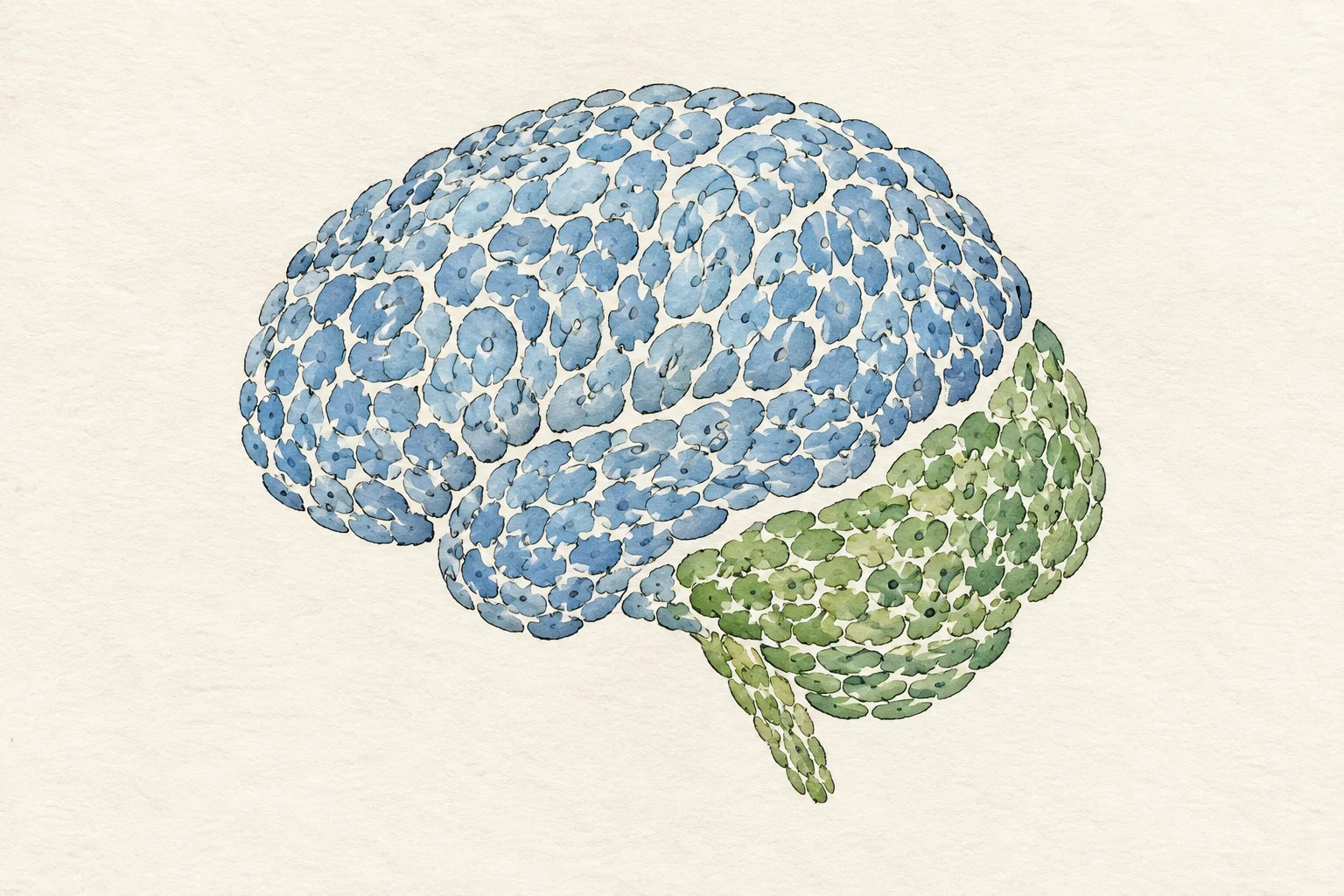
The study, published in Nature Neuroscience, began with mouse embryos at a very early stage of development. Researchers found two separate groups of precursor cells, the cells from which more specialised cells develop. One group went on to form the forebrain and midbrain; the other formed the hindbrain, which helps control breathing, heart rate and swallowing. Differences in how the cells packaged their DNA also pointed to their distinct developmental paths.
The finding helped explain why earlier attempts to turn forebrain-related cells into hindbrain cells had struggled. By following the appropriate pathway, the team guided human stem cells into becoming hindbrain motor neurons, nerve cells that control muscles. These cells showed electrical activity and characteristics similar to their natural counterparts.
Researchers also found a similar developmental pattern in chickens and acorn worms, suggesting the split has deep evolutionary roots.
The lab-grown cells could give scientists a way to investigate disorders such as spinal muscular atrophy and amyotrophic lateral sclerosis, or ALS. The reported advance is a research tool, not a treatment, but it offers a more direct route to studying these important cells.