health and healing
Brazil’s public health system connects 60 ICU beds to round-the-clock monitoring hub
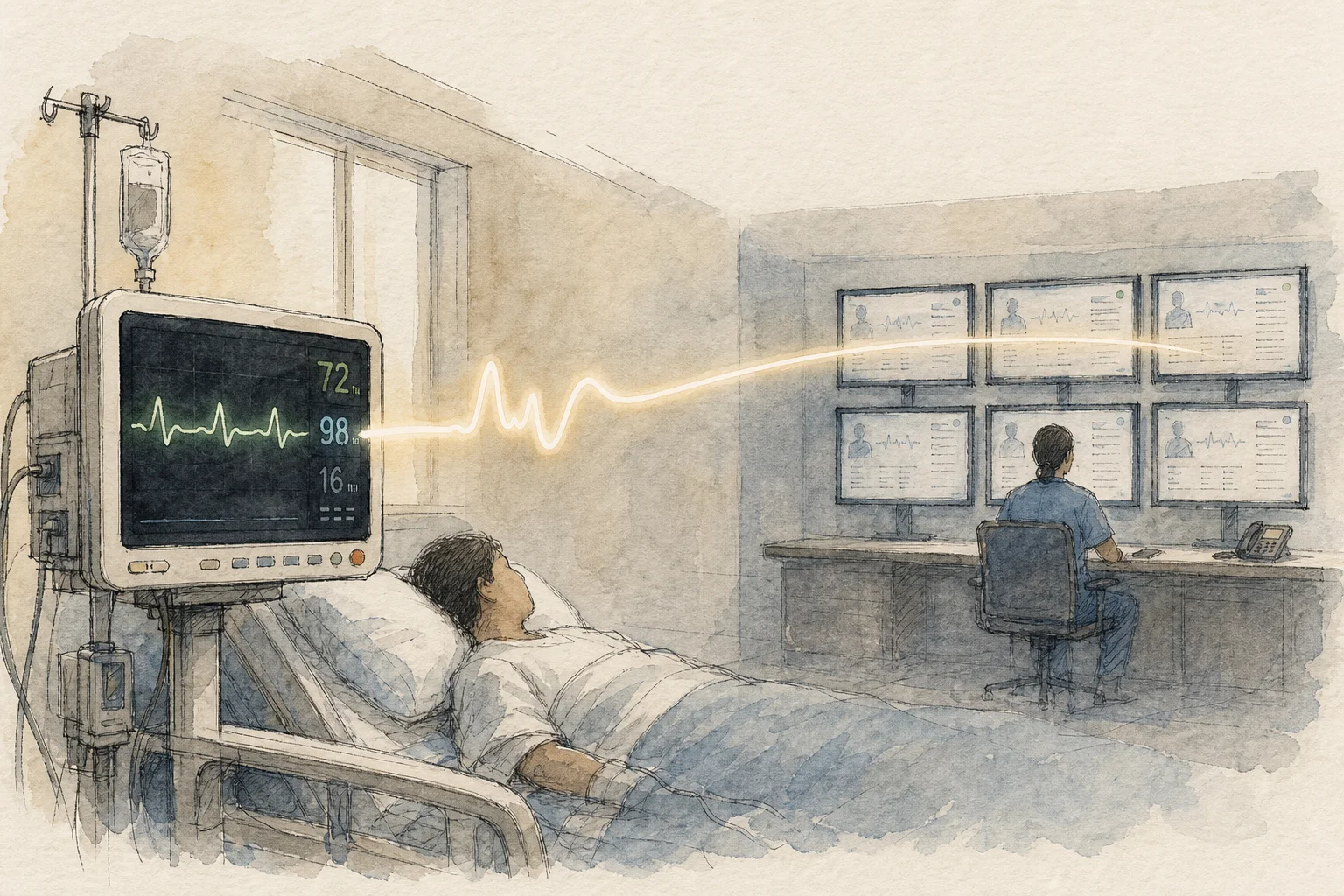
Brazil’s public health system has connected 60 intensive care beds in six cities to a round-the-clock remote monitoring hub, adding another set of clinical eyes that can flag early signs of deterioration. Operating since late July, the network links hospitals in Manaus, Recife, Brasília, Belo Horizonte, Rio de Janeiro and Porto Alegre with a command center at the University of São Paulo’s teaching hospital.
At the center, clinicians watch indicators such as blood pressure, oxygen levels, heart rate, electrocardiograms, ventilator settings and medicines administered through infusion pumps. When a concerning change appears, they review other patient data and contact the bedside team by phone or video. Treatment decisions remain with the professionals caring for the patient locally.
The platform combines information from devices made by different manufacturers, allowing clinicians to assess patterns across monitors, ventilators and pumps rather than relying only on separate alarms. Subtle shifts in blood-pressure curves, for example, can precede circulatory shock, while changes in breathing or ventilator settings can indicate a risk of lung injury.
As the network gathers standardized, anonymized information, its teams hope to develop artificial intelligence tools that identify meaningful warning patterns and support clinical protocols. The Health Ministry plans to expand the system to 280 beds across 14 institutions, with a target of 1,000 beds in 2027.