science and discovery
Canadian telescope detects ancient hydrogen glow on its own
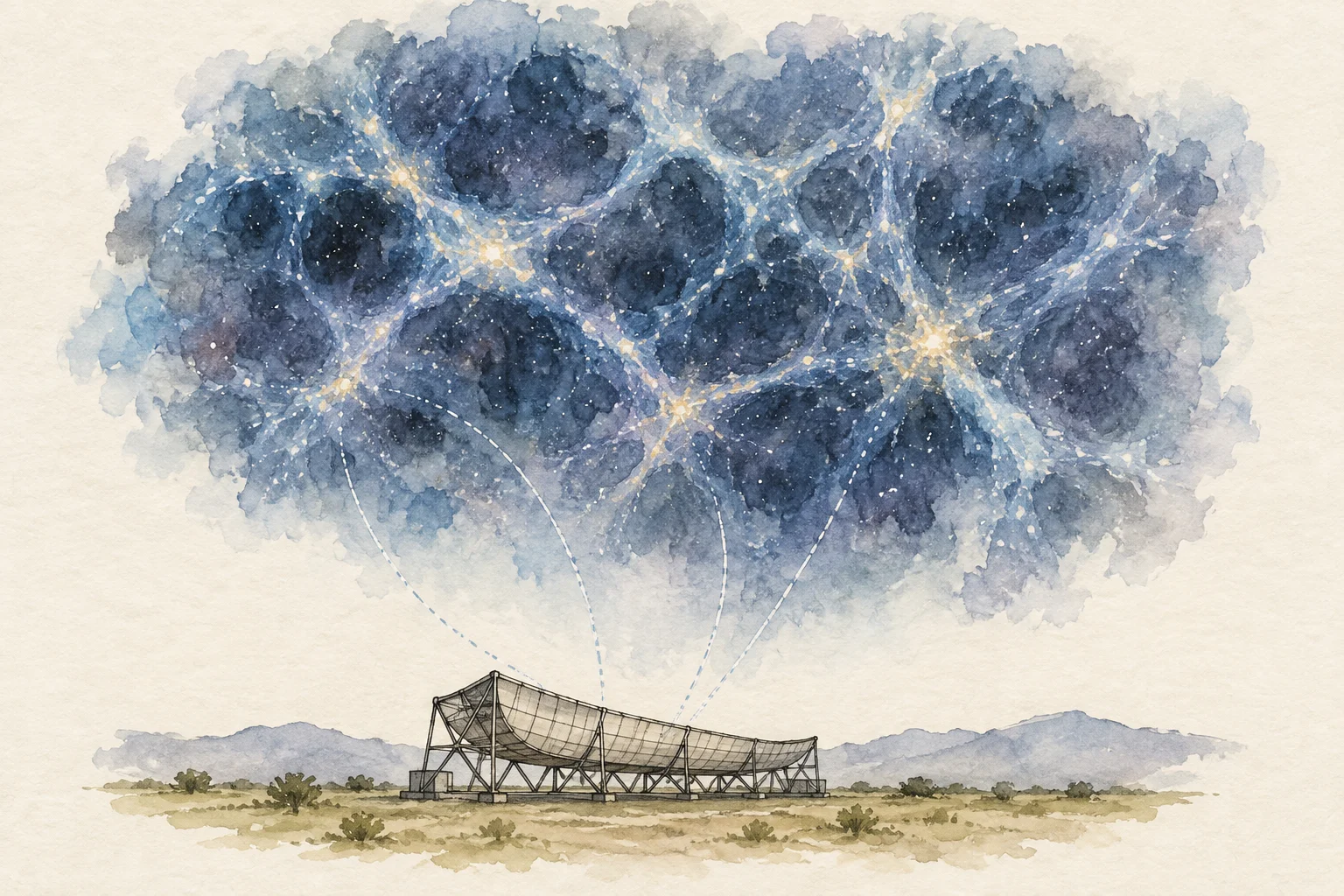
Canada’s CHIME radio telescope has made its first standalone detection of the faint radio glow of ancient hydrogen. The signal comes from when the universe was about five billion years old, and was identified without relying on observations from other telescopes.
Hydrogen is the universe’s most abundant element and the raw material for stars. Its radio glow helps reveal how matter is spread across space. Previously, CHIME researchers needed to combine their observations with galaxy surveys to identify this distant signal. The new result shows the telescope can do so independently.
An international team analysed 94 nights of observations collected in 2019, using new processing techniques to separate the weak signal from noise generated by other cosmic sources, human technology and the instrument itself. They spent more than a year testing the finding before confirming it. The study was published in The Astrophysical Journal.
The achievement could help researchers test competing ideas about dark energy, the mysterious influence thought to drive the universe’s accelerating expansion. It does not resolve that mystery, but establishes another method for investigating it.
The current measurement uses only a small fraction of CHIME’s observations. With nearly seven years of data now available, researchers are working to extend their analysis further back, to when the universe was about three billion years old.