science and discovery
Cat cancer map offers clues for pets and people
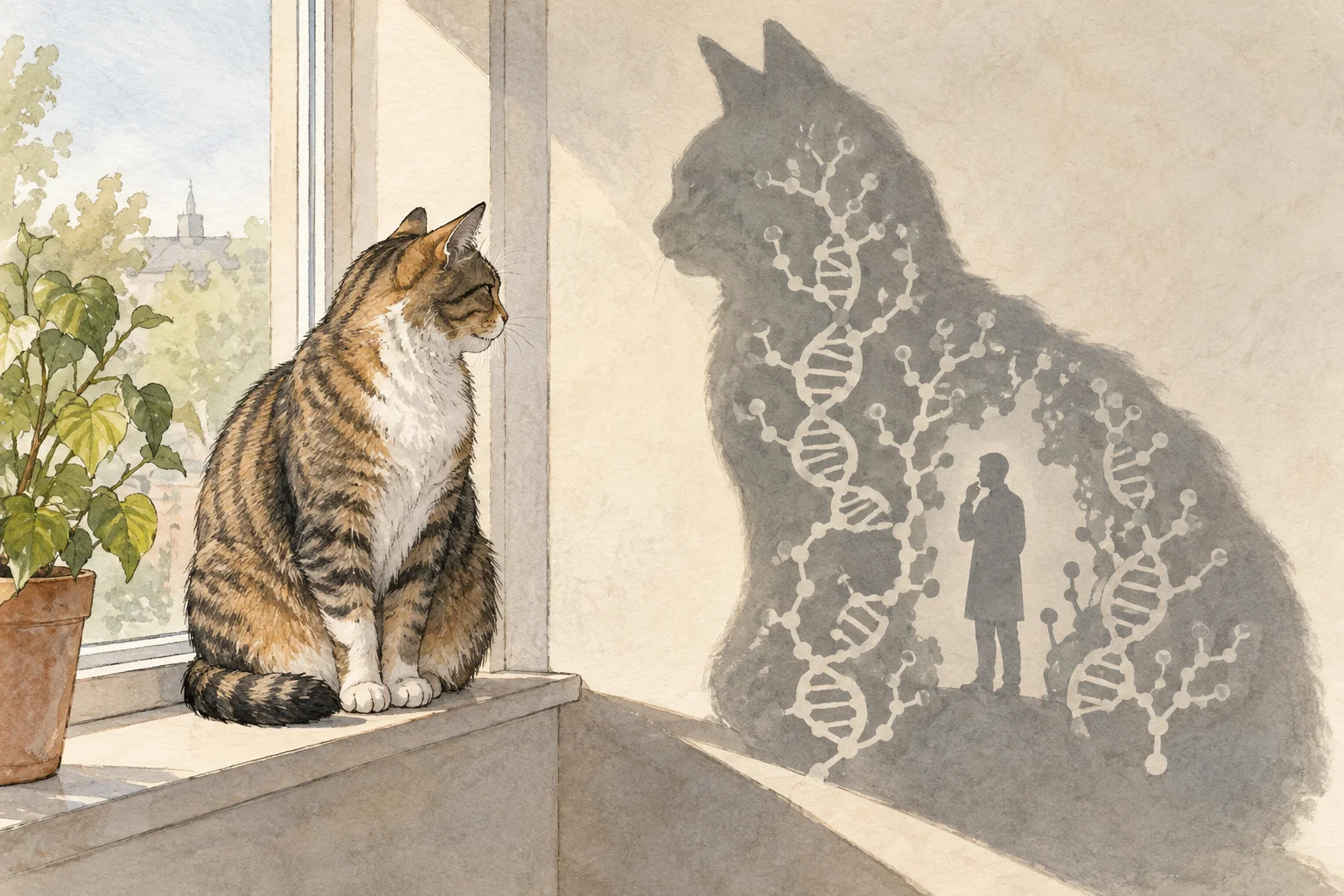
Scientists have mapped genetic changes in tumors from nearly 500 domestic cats, finding important similarities with human cancers and creating a freely available resource for further research.
The international study, published in Science, used tissue samples from five countries that veterinarians had already collected for diagnosis. It helps close a longstanding gap in understanding cancer in cats, a leading cause of illness and death in the animals.
One striking finding involved mammary cancers, which affect breast tissue. More than half of the cat mammary tumors studied carried mutations in FBXW7, a gene that helps regulate cell growth. In human breast cancer, mutations in the same gene are associated with a poorer outlook.
The team also found that some chemotherapy drugs worked better against cat mammary tumor tissue carrying mutations in that gene. These results came from tissue samples, not treatment trials in living cats or people, so they do not establish a new therapy.
Because cats develop cancer naturally and share environments with their owners, studying their tumors could help clarify how genes and environmental exposures influence disease. The new resource gives scientists a foundation for investigating treatments tailored to a tumor’s genetics, with potential benefits for both veterinary and human medicine.