science and discovery
Charred figs found in Türkiye date to 6300 BCE
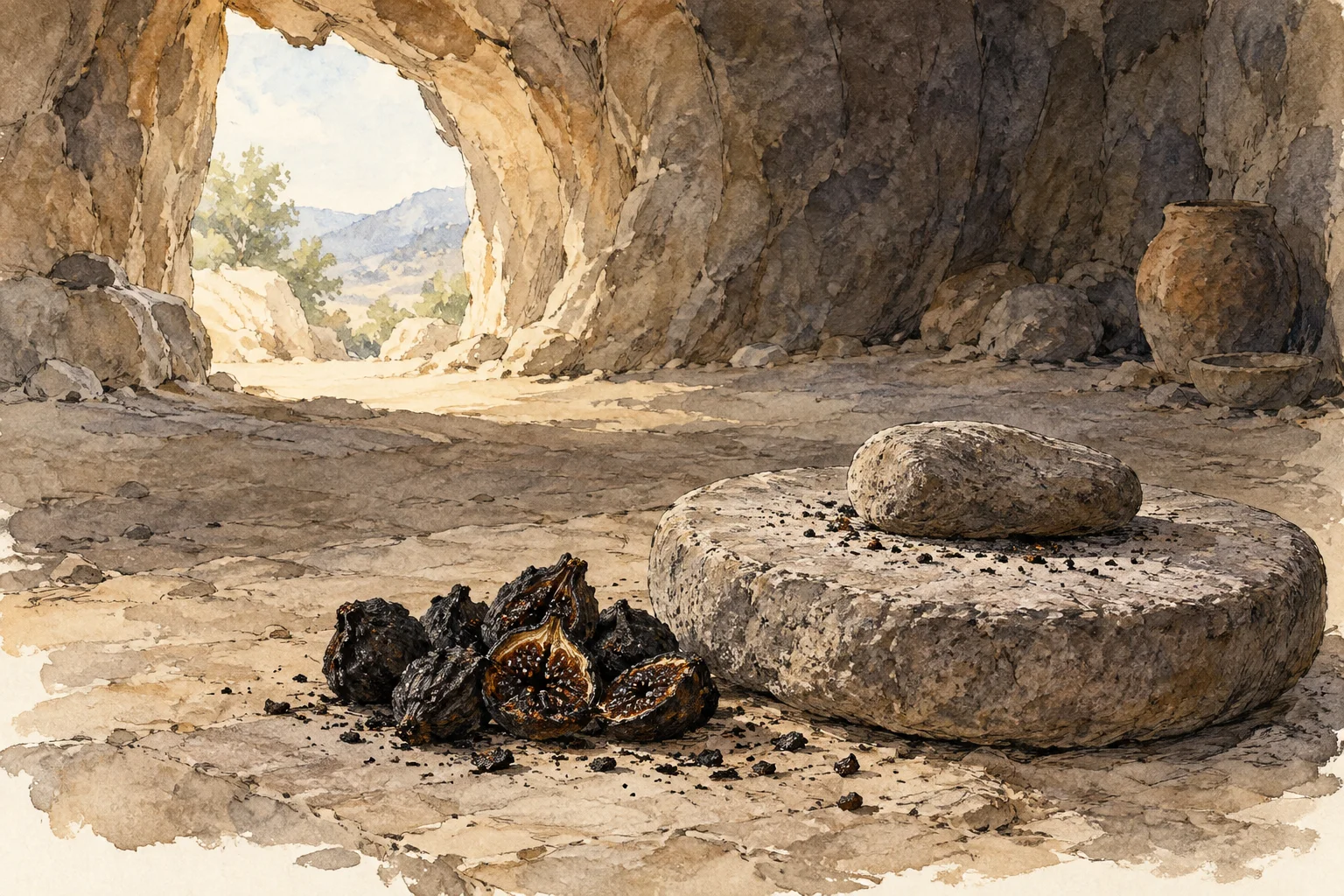
Archaeologists working in Andık Cave in western Türkiye have uncovered a cache of well-preserved, carbonised figs dated to about 6300 BCE. Carbon-14 testing at TÜBİTAK Marmara Research Center placed the remains in the Neolithic period, providing direct evidence that figs were among the foods used in the region more than 8,000 years ago.
The figs were found in substantial numbers, gathered in a pile that the excavation leader interpreted as stored food. The same archaeological layers have yielded barley, wheat and other plant remains, helping researchers reconstruct everyday diets rather than relying only on tools and structures. The team links the discovery with Havran’s black fig, a modern local product protected by a geographical indication.
The cave has preserved traces of human activity across a long span. Excavators have identified living surfaces and unusual floor arrangements resembling those used in homes, including levels from before pottery was in use. Ceramic vessels, grinding stones, and tools made from stone and bone have also emerged, along with a wall image showing a mountain peak and leopard.
Together, these finds turn a familiar regional fruit into a tangible link with the food choices and storage practices of Neolithic communities.