Nature thriving
China’s first national parks report wildlife and habitat gains
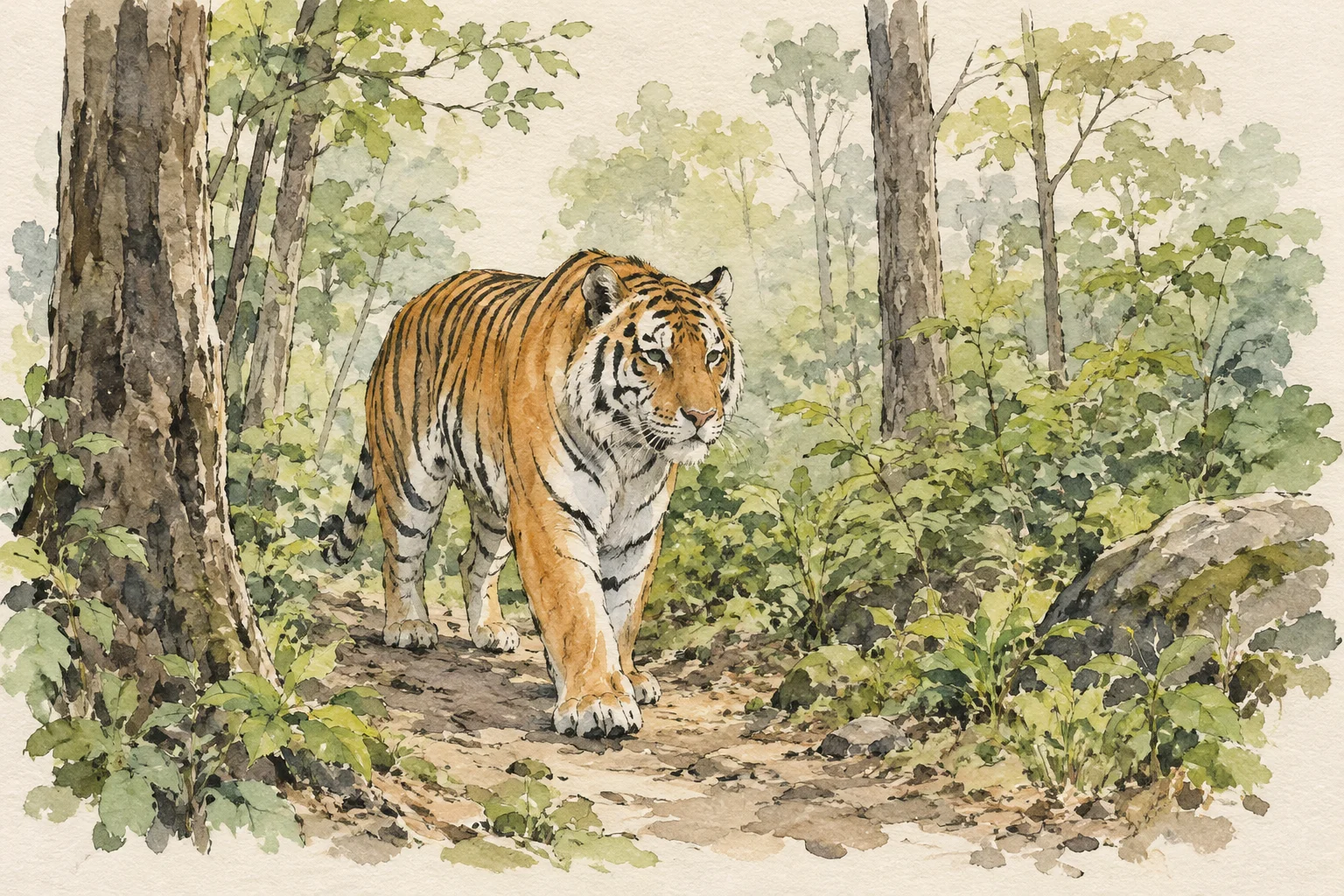
Wild tiger and leopard populations have more than doubled in one of China’s first five national parks since its establishment in 2021, according to figures released by the National Forestry and Grassland Administration. The Northeast China Tiger and Leopard National Park now has 72 wild tigers, up from 27, and 115 wild leopards, up from 42.
The gains form part of a broader official assessment of the five parks, which together cover 230,000 square kilometres. Three-quarters of the indicators used to assess their ecological benefits received an “excellent” rating, with reported improvements in retaining water, absorbing carbon and protecting soil.
Restoring links between habitats has been central to the work. In Giant Panda National Park, camera traps have repeatedly recorded pandas travelling with cubs through the restored Nibashan corridor. This route connects two mountain ranges where damaged vegetation and human disturbance had long kept panda populations apart. Restoration has included planting native trees and bamboo to rebuild their habitat.
Local residents are also taking part in protecting these landscapes. Nearly 50,000 have been hired as conservation rangers across the five parks, earning wages for work that includes patrolling water sources and recording wildlife activity.