health and healing
One dose of engineered immune cells slows tumour growth in mice
Scientists have created ready-made immune cells that use two detection systems to attack solid tumors. In mouse models of ovarian cancer and melanoma, one dose controlled or slowed tumors, delayed recurrence and extended survival. The engineered cells remained active for weeks and did not cause the dangerous effects seen with the study’s comparison cells made from mature donor T cells.
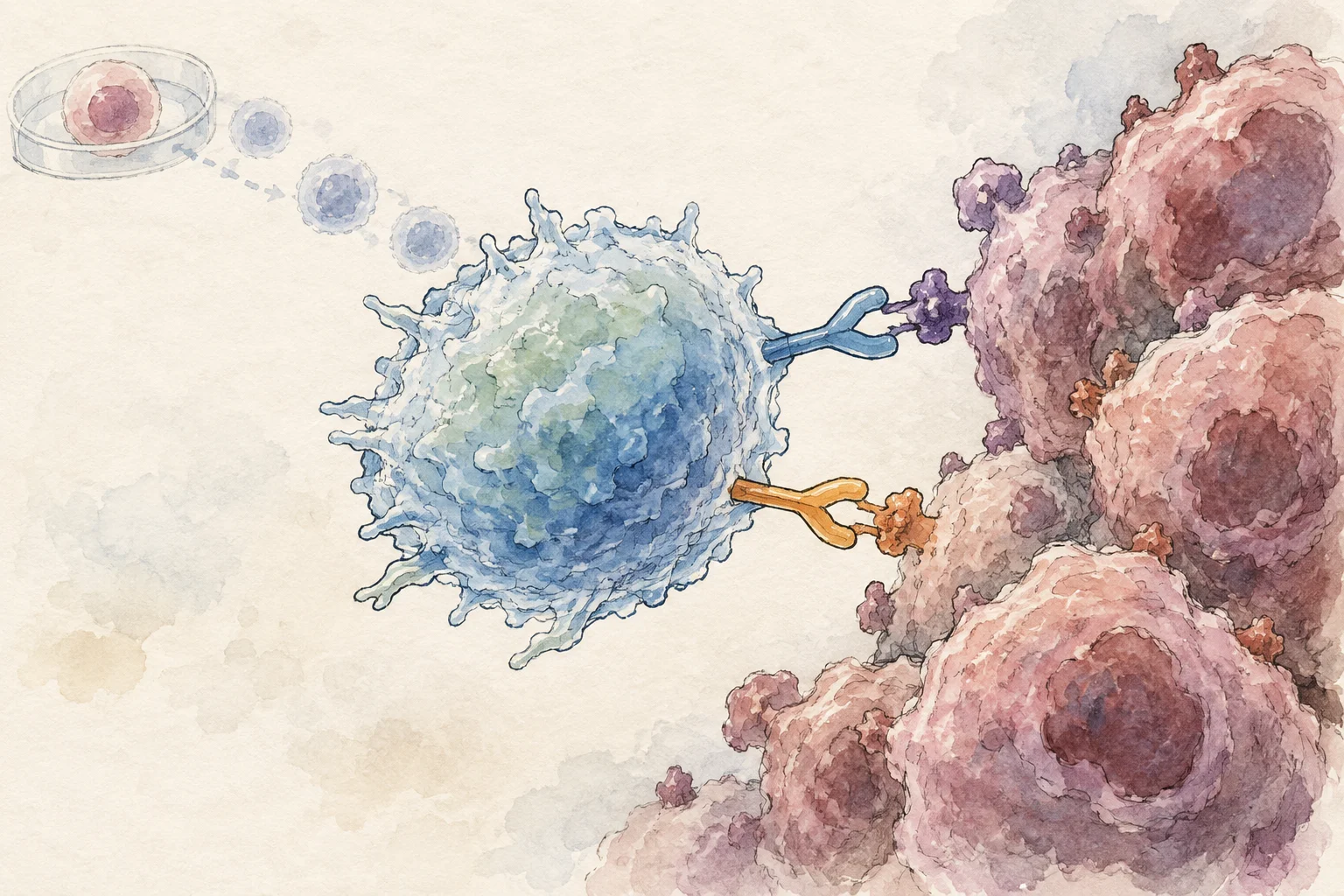
The UCLA team began with blood-forming stem cells from donated cord blood, inserted a receptor aimed at NY-ESO-1, a protein found in many solid tumors, and matured them into T cells in the laboratory. Starting before the cells developed their own natural T-cell receptors produced a uniform population and may reduce the risk of graft-versus-host disease, in which donor immune cells attack healthy tissue.
The cells also retained natural killer cell receptors that sense stress signals on tumors. That backup route helped them kill human melanoma, ovarian and prostate cancer cells in laboratory tests even when the primary target was absent, addressing a common escape mechanism.
Manufacturing could be another advantage. Researchers estimate that a small supply of cord-blood stem cells could yield trillions of cells, enough for thousands of doses, in about six weeks, at roughly $5,000 per dose. Current personalized T-cell therapies can cost well into six figures. The new therapy remains preclinical and needs human trials before its safety or effectiveness for patients can be known.