technology and innovation
Critical separation puts BepiColombo on final approach to Mercury
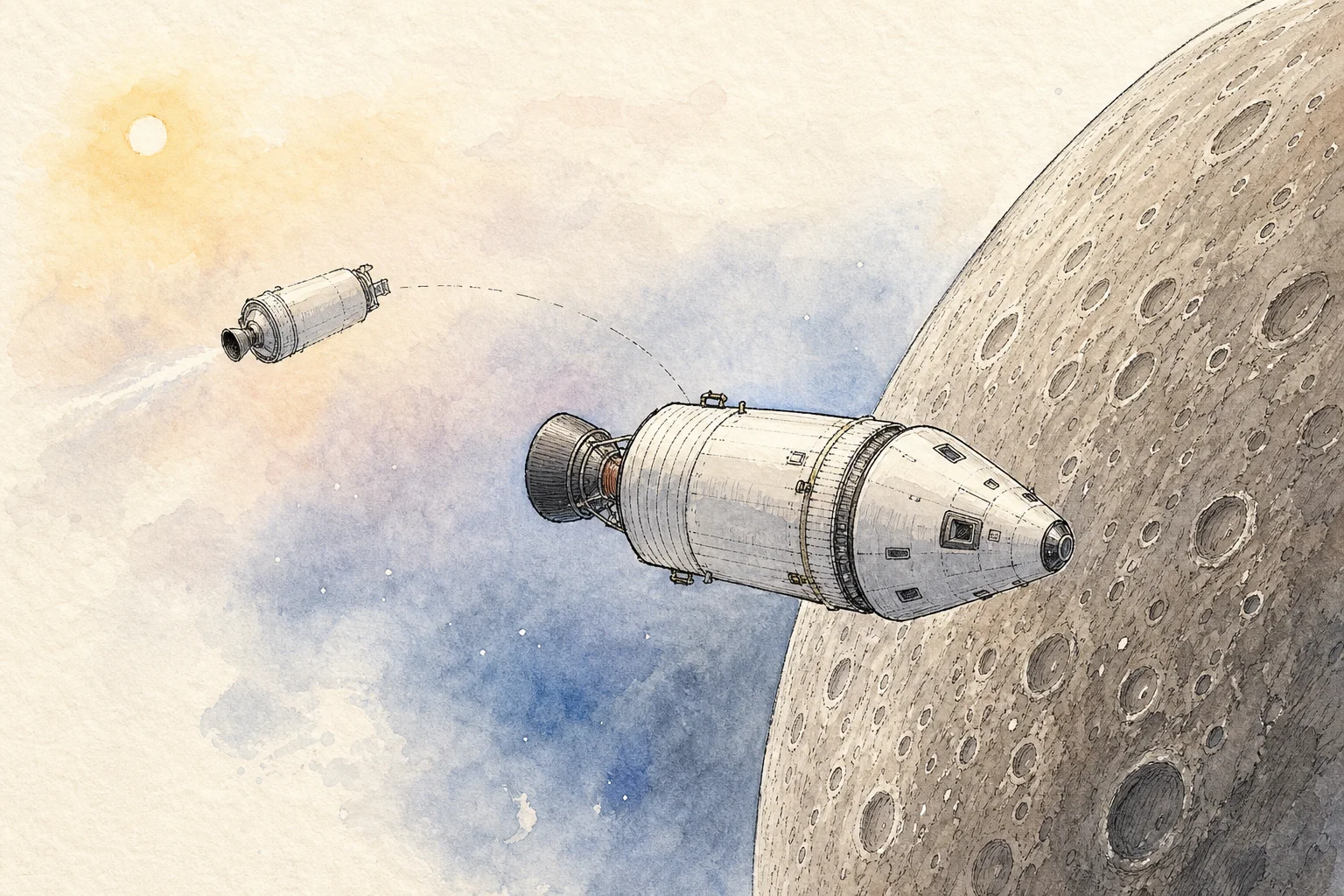
After eight years crossing the inner solar system, the BepiColombo mission has completed a critical separation that puts its two science orbiters on course for Mercury. The no-longer-needed transfer module detached as planned, and European Space Agency controllers later confirmed that the remaining spacecraft was healthy and operating normally. Radio signals take more than 11 minutes to travel each way, leaving no scope for immediate intervention.
Launched in October 2018, the joint European and Japanese mission has traveled more than 10 billion kilometers. Its long route combined electric propulsion with nine flybys of Earth, Venus and Mercury to shed enough speed for orbit. Reaching Mercury is especially demanding because a spacecraft must closely match the planet’s rapid motion around the Sun.
The spacecraft are scheduled to be captured by Mercury’s gravity on November 21. The orbiters are then due to separate in December and move into distinct working orbits by March, with science operations planned for April. One will study and map Mercury’s surface and interior; the other will examine its magnetic field and surrounding space environment. Together, they could investigate unusual surface hollows, ancient volcanic features and the reason the small planet is so dense.