technology and innovation
Deep-sea rock samples offer new clues to the South China Sea’s past
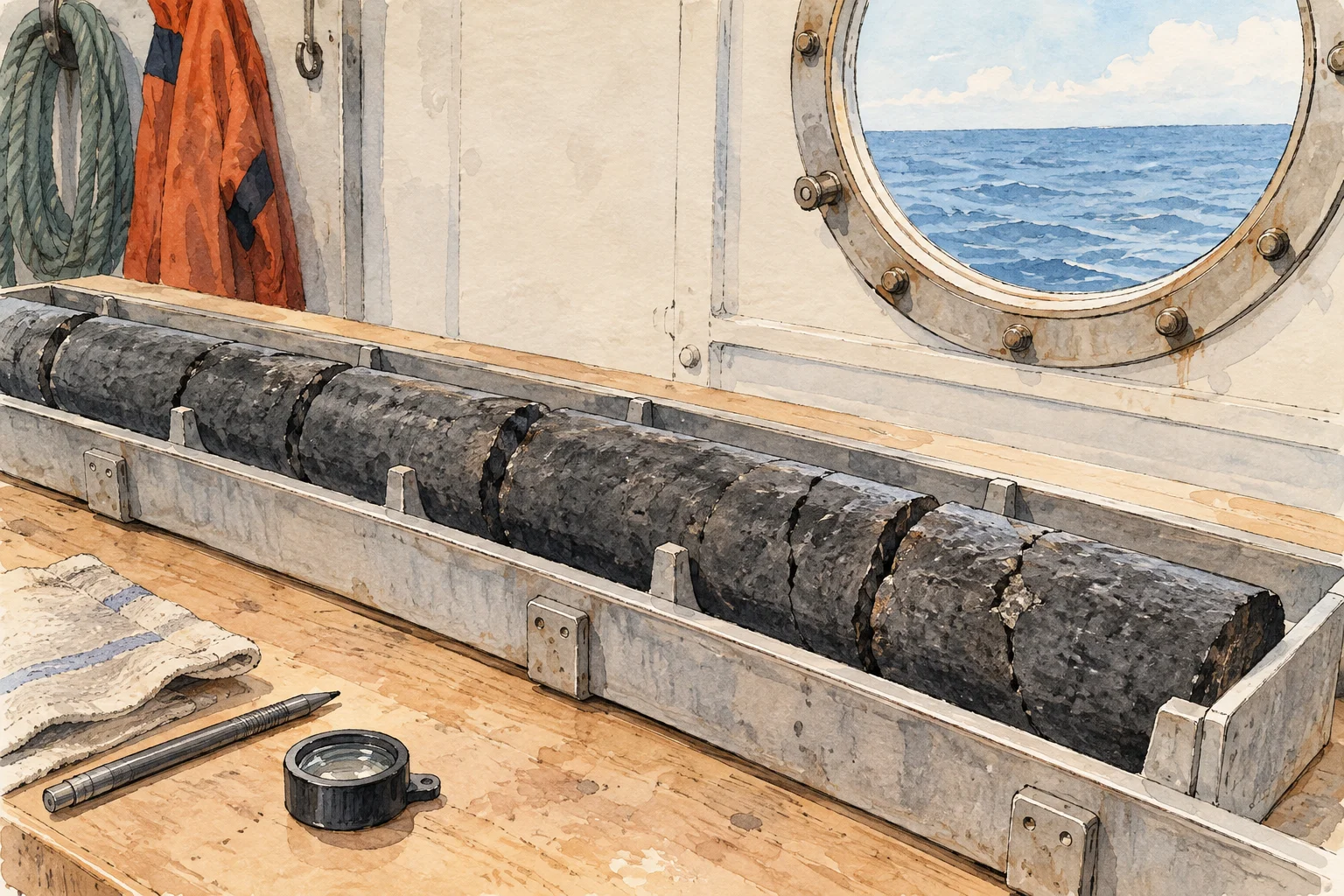
China’s ocean-drilling ship Mengxiang has returned to Guangzhou with a 4.27-metre core of basalt, a volcanic rock, from beneath the South China Sea, completing its first trial scientific drilling expedition.
The 30-day voyage operated in waters up to 4,100 metres deep and drilled at two sites. According to the China Geological Survey, the basalt recovery makes China the third country, after the United States and Japan, to retrieve hard-rock samples from a deep-ocean basin using a drilling vessel.
Getting those samples is demanding. Basalt is hard and brittle, and thick sediment can bury it beneath hundreds of metres of material. The team used a Chinese-developed coring tool, and the expedition reached a maximum drilling depth of about 865 metres below the seabed.
The cores offer a physical record of the basin’s history. Scientists found alternating brown and green sediment layers, alongside organic-rich deposits that may help explain ancient marine conditions and natural processes involved in climate regulation. Preliminary analysis also points to several phases of major volcanic activity.
This voyage was primarily a test of drilling capability. Chief scientist Sun Zhen said a follow-up expedition planned for 2027 would investigate a major shift in where the basin’s crust split apart. The new samples provide evidence to help test competing explanations for that change.