science and discovery
DNA reveals a new penguin species on remote islands
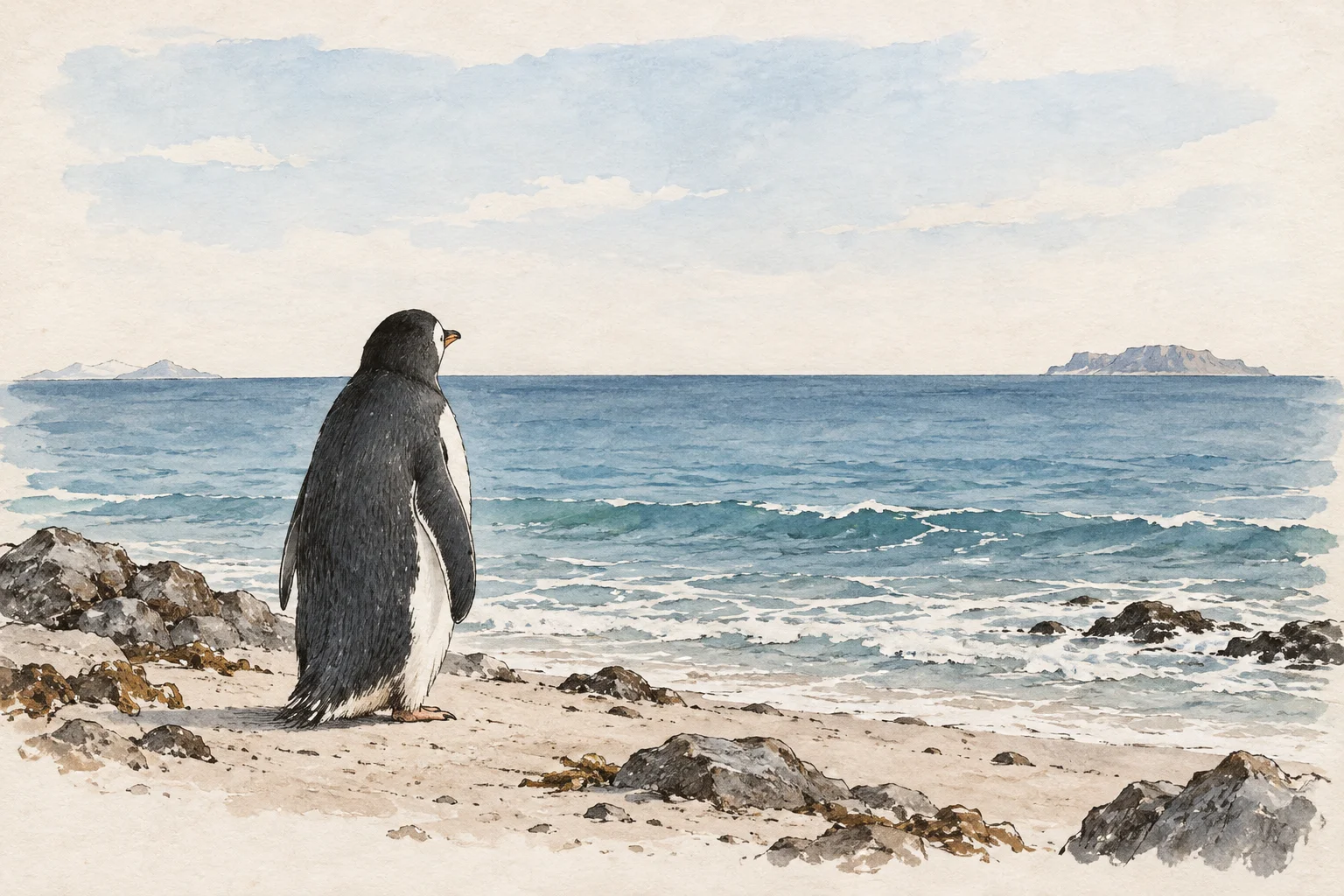
Scientists have identified penguins on the remote Kerguelen Islands in the southern Indian Ocean as a distinct species, revealing diversity previously concealed by the birds’ similar appearance.
The newly described southeastern gentoo penguin, Pygoscelis kerguelensis, looks much like its relatives. But an international team found that its DNA marks it as a separate evolutionary lineage. The researchers propose recognising four gentoo species rather than one widely distributed species.
Published in Communications Biology, the study analysed DNA from 64 penguins across 10 breeding colonies, covering nearly the group’s entire range. The team also examined physical features, calls, diets and breeding behaviour.
Gentoos tend to return to familiar nesting sites and can eat a wide variety of prey, reducing the need to travel far for food. Over time, isolated island populations developed distinct genetic characteristics.
The finding could help conservationists identify overlooked risks. Growth in the large southern gentoo population can mask difficulties elsewhere when all the birds are counted as one species. Assessing each separately could reveal pressures facing smaller island populations.
Climate modelling in the study suggests suitable marine conditions could shrink for three of the four groups by 2050, although it cannot fully predict how the birds will respond. The researchers call for updated colony counts and separate conservation assessments.