health and healing
Donor stem cells help two transplant patients stay rejection-free
Two patients at Madrid’s La Paz Hospital have maintained stable organ function without signs of rejection for years after receiving an experimental combination of transplants. Both remain on only small doses of anti-rejection medicines.
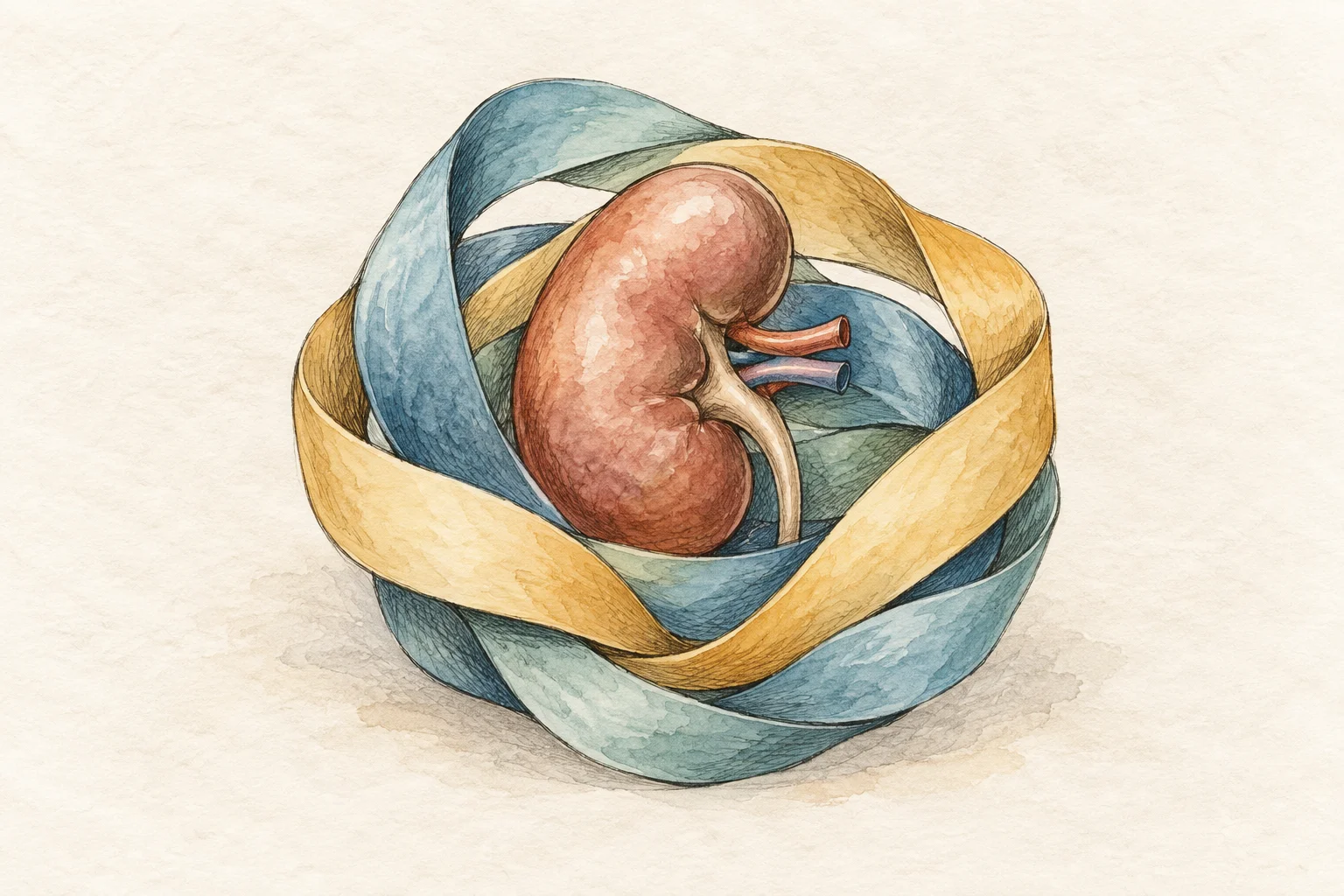
The approach pairs an organ transplant with blood-forming stem cells from the same donor. These cells can produce immune cells, allowing donor and recipient defences to coexist temporarily. The aim is to help the recipient’s immune system recognise the new organ as familiar rather than attack it.
The idea draws on a natural observation: some cattle twins share a blood supply before birth and can later tolerate tissue grafts from each other.
One patient, a teenager, received several organs alongside donor stem cells. The other, an adult woman, received a kidney and bone marrow from her brother. Both had experienced rejection of earlier transplants.
The findings, published in Communications Medicine, have led to a phase I clinical trial with 14 patients enrolled, including two who have started the procedure. This early-stage study will assess safety and investigate whether the approach works in more patients.
For now, the results demonstrate potential in just two people, not evidence that anti-rejection drugs can routinely be stopped. The hope is to reduce reliance on medicines that can cause serious long-term side effects.