nature thriving
Edinburgh’s Palm Houses reopen, safeguarding rare plants
Edinburgh’s historic Palm Houses have reopened after a five-year restoration, strengthening protection for rare and endangered plants from around the world.
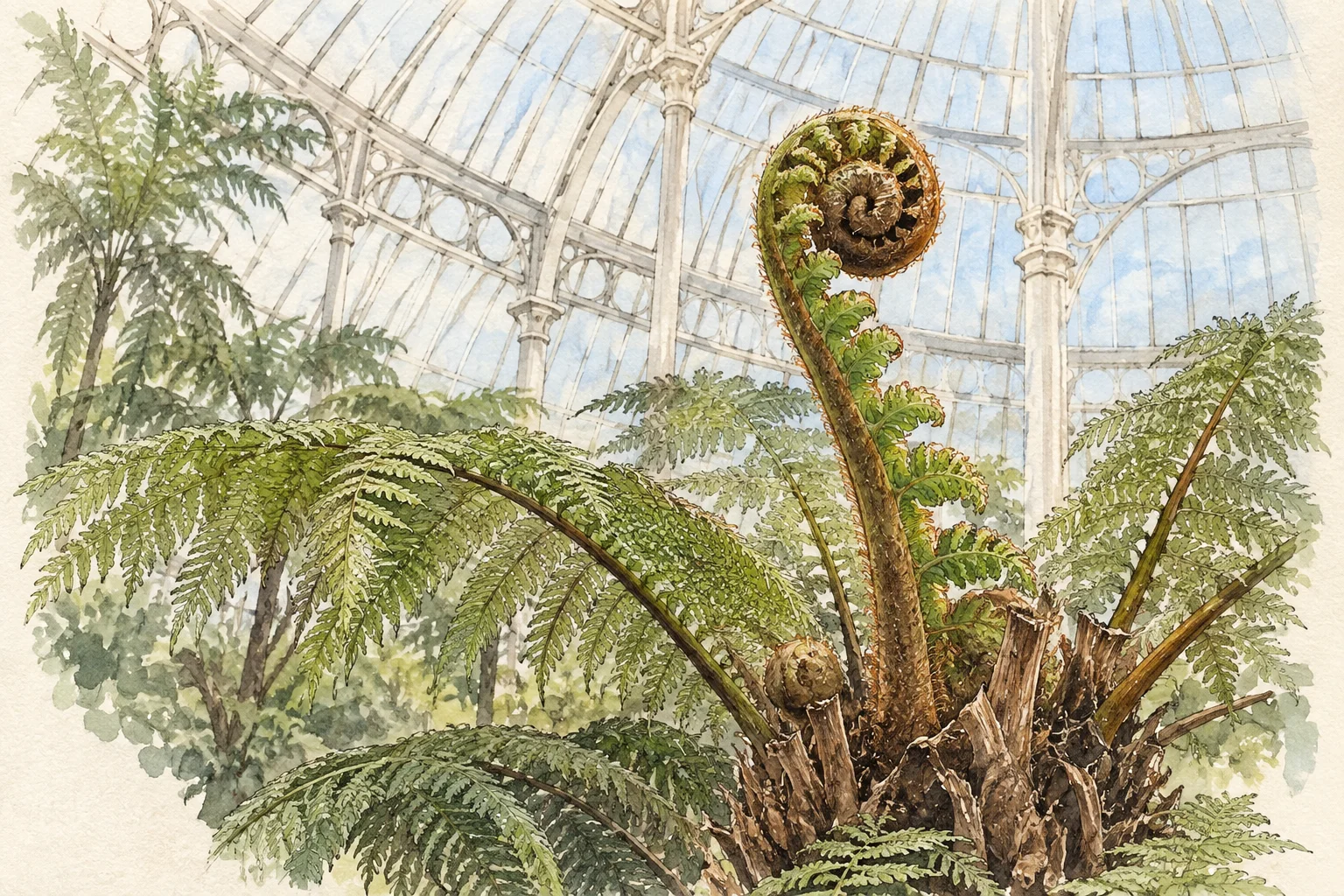
The work at the Royal Botanic Garden Edinburgh replaced all 5,750 glass panes and repaired the buildings’ ironwork and sandstone. The Victorian glasshouses shelter hundreds of plants, including New Zealand’s rare Three Kings vine. Horticulture director David Knott said tree ferns were already showing new growth, an encouraging sign for the team caring for them.
The reopening was marked by the planting of Chile’s threatened lion plant, Valdivia gayana. Fewer than five wild populations are thought to remain. Working with Chilean partners, the garden’s team grew plants from seeds collected in a cave in Chile. Garden head Julia Knights said seeds were now being taken back to Chile so the plant could be grown in more locations, with the aim of helping it survive.
The restoration was supported by Scottish Government investment and a fundraising campaign that raised more than £10.6 million from major donors and other supporters.
The next phase will focus on the garden’s Research Glasshouses, aiming to protect another 3,000 plants, including some species now extinct in the wild. For visitors, the reopened Palm Houses offer a chance to see part of this conservation work up close.