nature thriving
Endangered river otter shows signs of returning to Argentine park after four decades
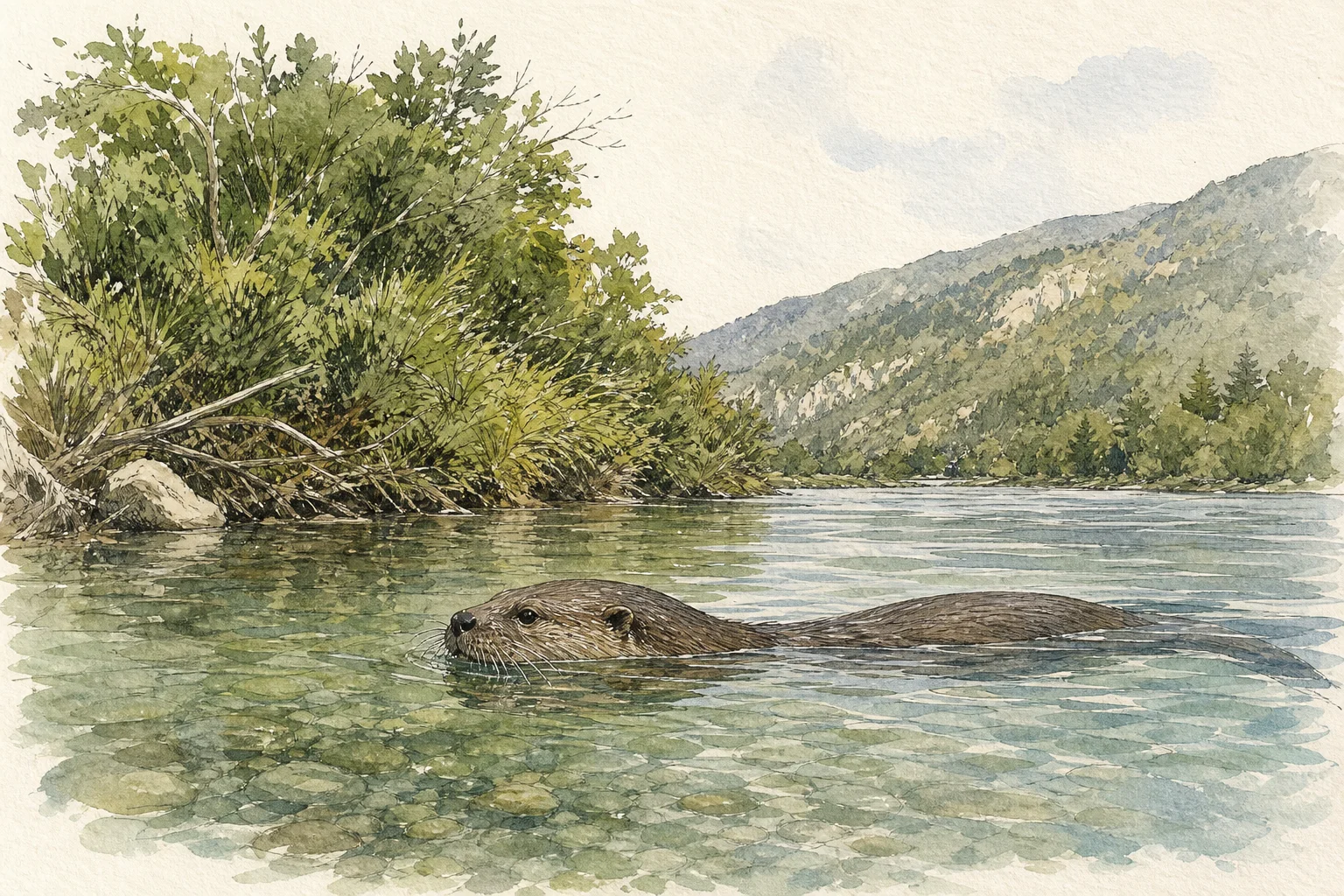
Conservation teams at Los Alerces National Park in Argentina have confirmed the continuing presence of the huillín, a native freshwater otter, after more than four decades without regular records in the protected area. Tracks and other signs found around the Río Grande add to sporadic sightings reported since 2019, supporting hopes that the species is recolonising the park.
Park rangers and conservation staff are now surveying waterways to identify where the animals are active, document further evidence and understand which environmental conditions may be helping their return. Reports from local residents, fishing guides and tourism workers who travel the area’s rivers and lakes helped direct patrols towards promising locations.
The huillín, or Lontra provocax, is native to southern Argentina and Chile and is classified as critically endangered in Argentina. It depends on clean aquatic environments with dense shoreline vegetation and sufficient prey, including freshwater crabs, native fish and molluscs. Its presence can therefore signal a healthy river ecosystem.
Monitoring will continue as researchers assess the otter’s distribution. Park authorities are also asking visitors to use fire only in designated places, keep rubbish out of waterways and respect the ban on pets, which can attack wildlife or transmit disease.
Sources
- La NacionEl huillín: el mamífero que volvió al parque nacional Los Alerces tras 40 años
- ClarinTras 40 años, hallaron rastros del huillín en el Parque Nacional Los Alerces y crece la esperanza de una recolonización
- Diario Río NegroQué es el huillín, una joya de la Patagonia que regresó a Los Alerces luego de 40 años