health and healing
Engineered transfer RNA restores protein function in cystic fibrosis models
Engineered transfer RNA has restored the production of complete, functional proteins in laboratory and preclinical models of cystic fibrosis, offering an early route toward treating many inherited conditions that share the same kind of genetic error.
Researchers at the University of Toronto focused on “nonsense mutations,” which insert premature stop signals into genetic instructions. Cells then produce truncated proteins or none at all. These mutations account for about 11% of inherited genetic disorders and occur across thousands of conditions, including some muscular and neurological diseases.
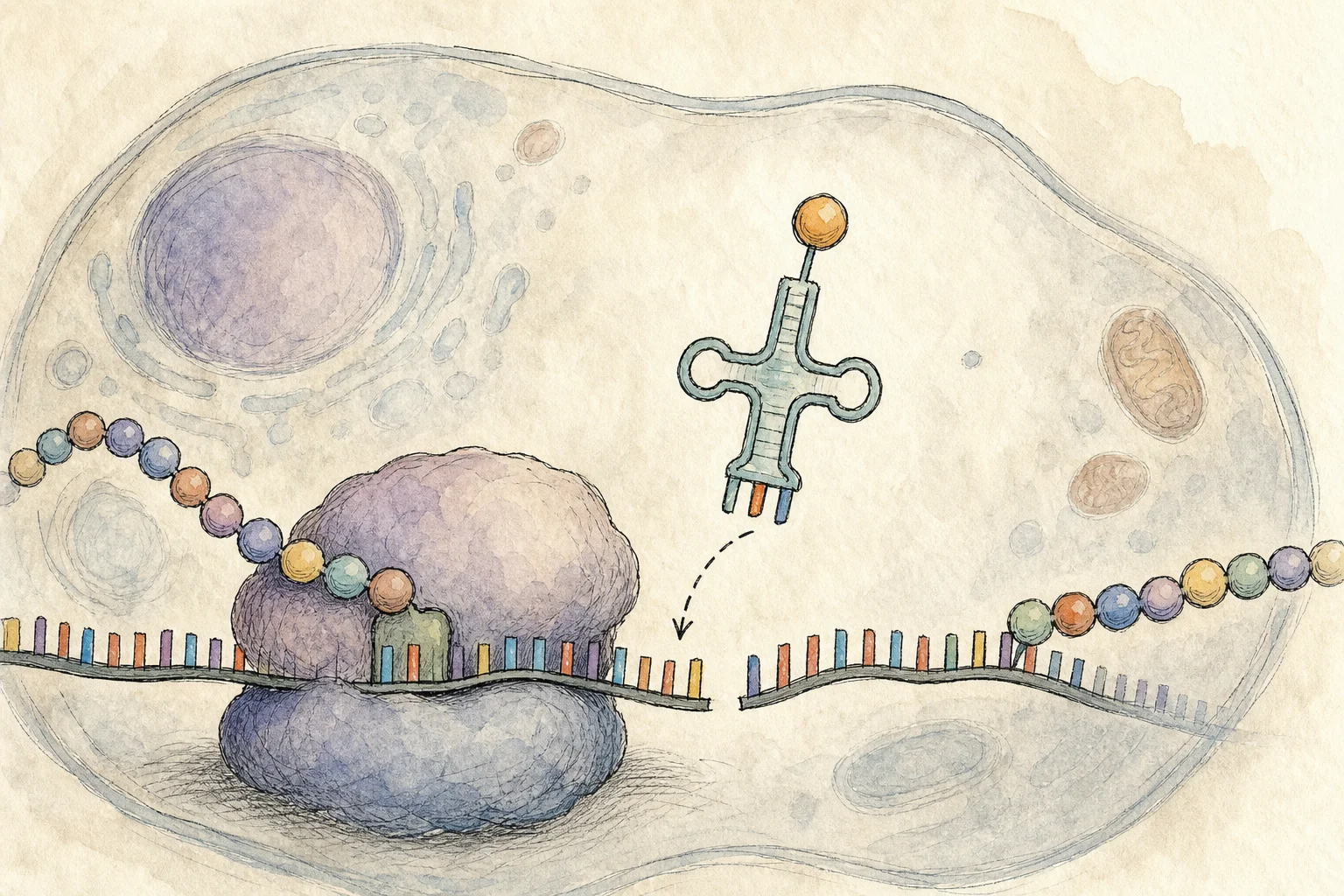
Rather than designing a separate therapy for each affected gene, the team redesigned transfer RNA, a molecule that normally carries amino acids during protein production. The engineered version reads through the mistaken stop signal, inserts the correct amino acid and allows the cell to finish building the protein. A chemical modification improved the molecule’s activity and persistence, while adapted lipid nanoparticles carried it into cells.
In human airway-cell cultures with two common cystic fibrosis nonsense mutations, functional protein levels persisted for more than 40 days. In patient-derived tissue organoids resistant to existing treatment, combining the RNA approach with a conventional cystic fibrosis medicine restored protein production and the movement of water and salts.
The work, published in Science, has not yet been tested in patients. Researchers are now adapting delivery for other tissues and exploring a stable nebulized form for possible future inhalation.
Sources
- Yahoo!Una nueva terapia de ARN podría ser clave para tratar numerosas enfermedades genéticas
- Aragón DigitalUna nueva terapia genética abre la puerta a tratar miles de enfermedades raras
- Agencia SincUn avance en terapia de ARN abre la puerta a tratar miles de enfermedades genéticas hasta ahora incurables