science and discovery
English coins reveal everyday trade in medieval Rome
Twenty Anglo-Saxon coins found near the Vatican have provided the first archaeological evidence of trade and craftwork in medieval Rome’s English quarter.
The finds came from excavations in the walled garden of Palazzo della Rovere. They include 19 silver pennies and a halfpenny, minted in England more than 1,000 years ago. Researchers traced them to places including London, Kent and East Anglia.
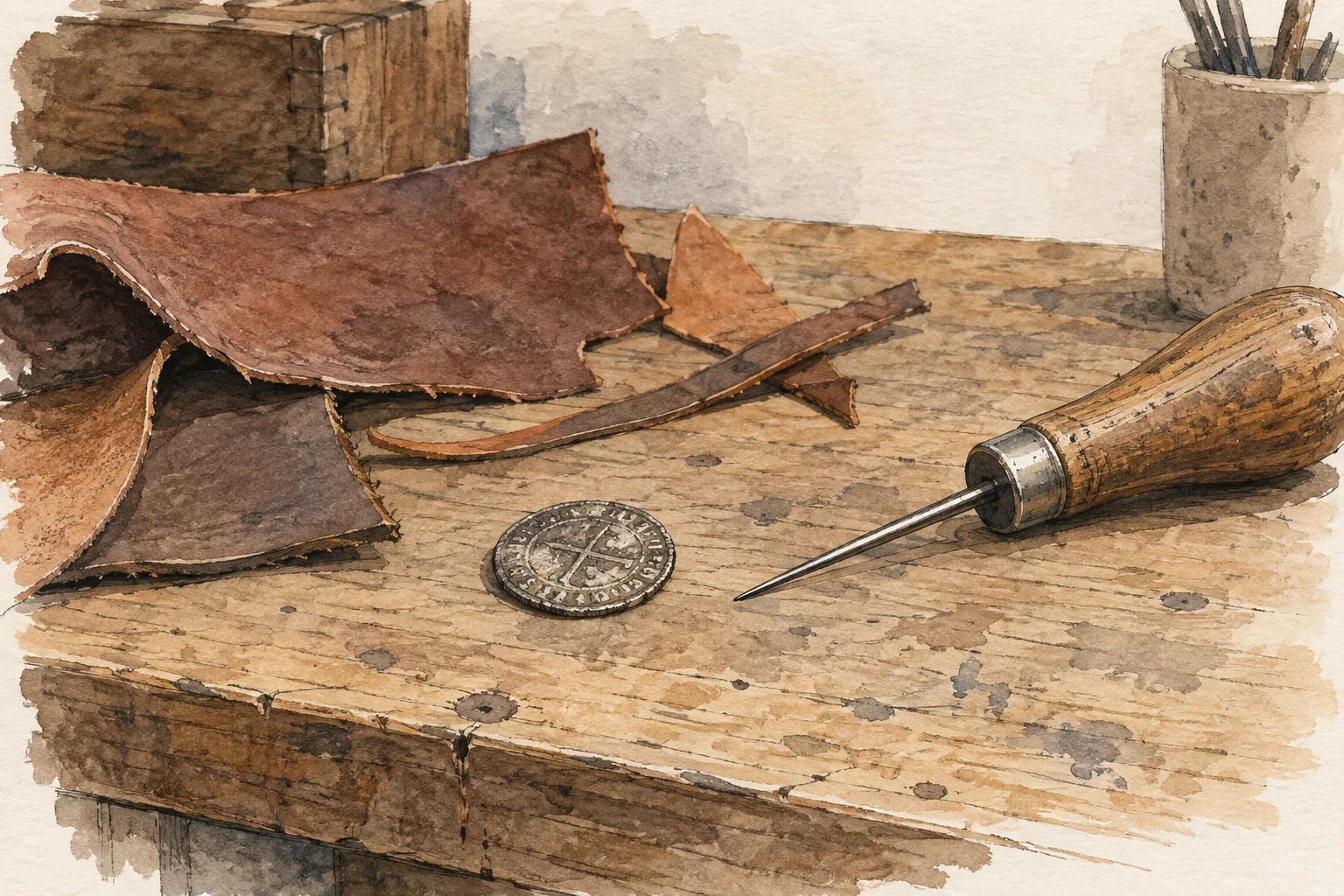
Medieval texts described the English community, known as the Schola Saxonum, but material evidence of its daily life had been missing. Alongside the coins, archaeologists found traces of leather, bone and metalworking. Together, the discoveries suggest a neighbourhood where people made goods and traded, rather than simply resting and praying during pilgrimages.
Historians Francesca Tinti and Rory Naismith interpret the coins as losses by craftspeople and customers. The coins’ distribution and the absence of evidence for silver melting support the idea that English money was being spent locally. The rare halfpenny is especially revealing because such low-value coins were associated with small, frequent payments.
The findings also challenge the idea that foreign currency was barred in Rome. English coins may have circulated alongside local money under special papal privileges, although the discovery does not establish whether formal permission existed.