health and healing
Experimental nanogel improves memory-related behavior in mice with Alzheimer’s-like disease
Two intravenous doses of an experimental antibody-carrying nanogel improved memory-related performance and everyday-like behavior in mice engineered to model Alzheimer’s-like disease. Over the following weeks, treated animals navigated a water maze more efficiently and recovered their ability to build nests, while untreated mice did not show the same gains. Brain analysis found greater neuron density and lower levels of inflammatory molecules.
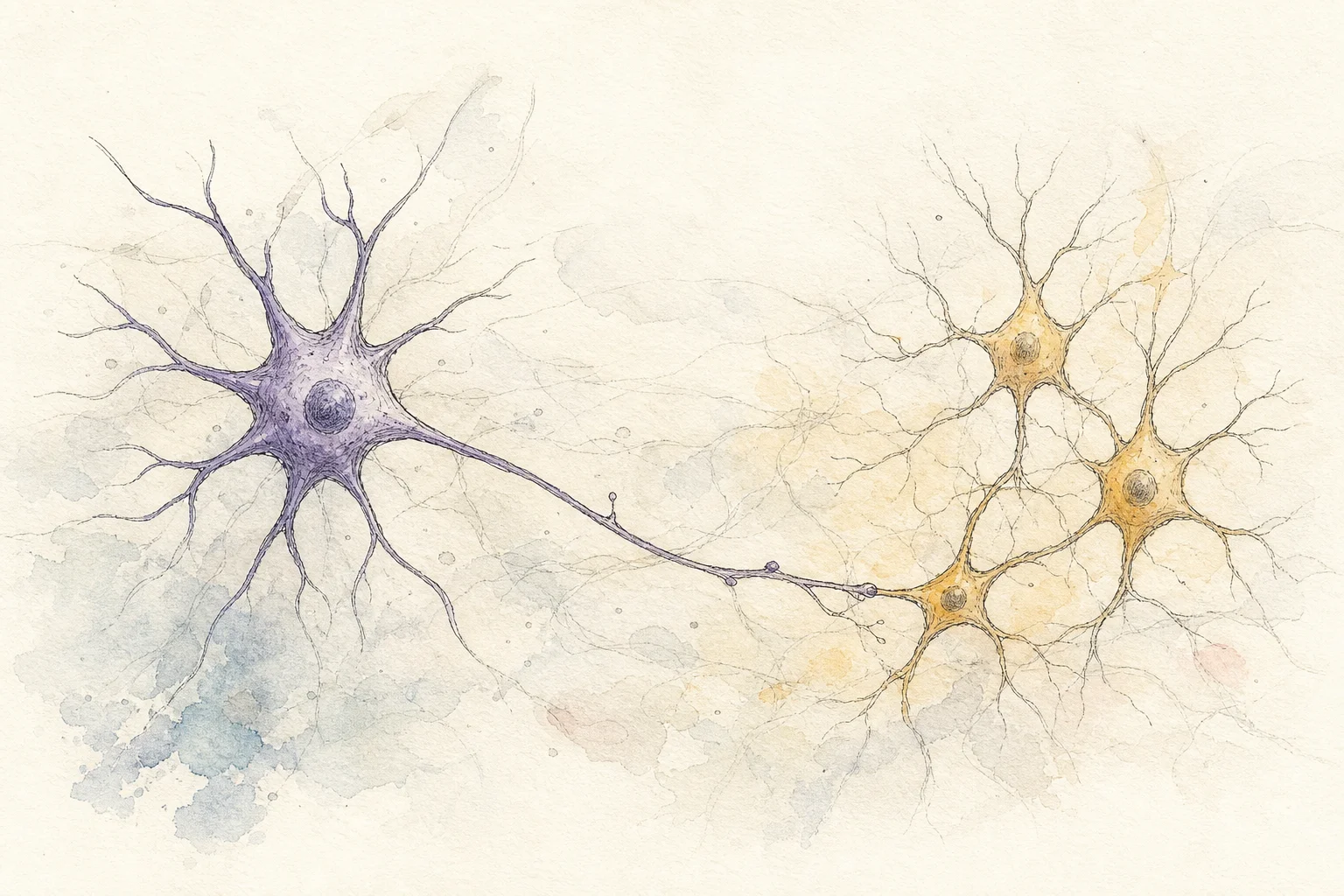
The approach, called Nano-ERASER, packages an antibody against PTBP1 inside a polymer nanogel. The carrier crosses the blood-brain barrier, and the antibody directs cells to destroy PTBP1, a protein that helps keep astrocytes in their supporting role. In laboratory-grown human astrocytes and brain organoids, lowering PTBP1 led cells to acquire neuronal features, including axons and coordinated electrical activity.
But the live-animal mechanism remains unresolved. Although treated mice had more neurons, researchers have not yet shown that astrocytes became those neurons; other neural stem cells may have contributed. Because astrocytes are important to brain function, longer-term work must also test safety and whether new neurons integrate properly. The team plans further mouse studies and testing in nonhuman primates before any human trial.