science and discovery
Feathered dinosaur fossil hints at separate paths to flight
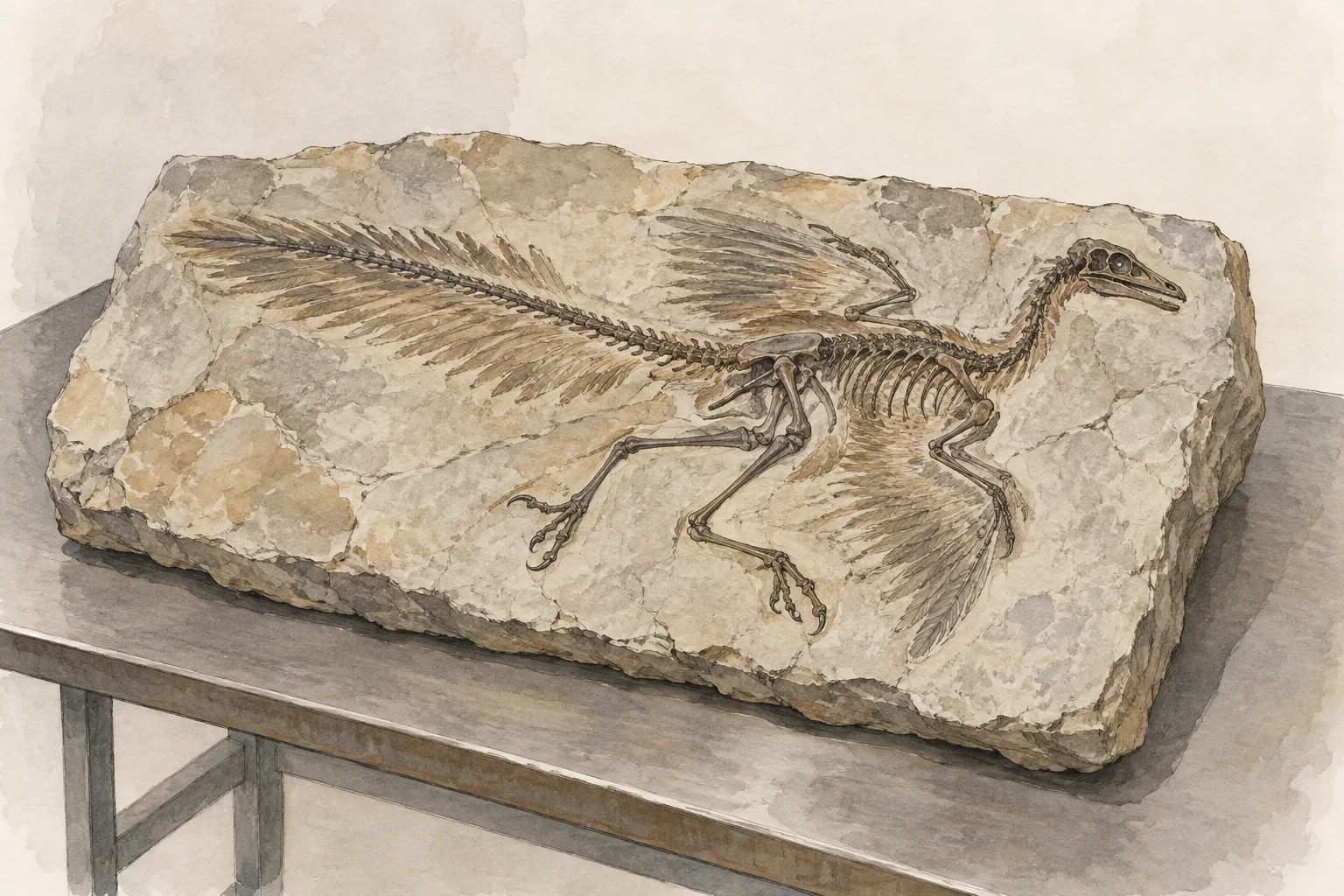
A nearly complete dinosaur fossil from northeastern China has given scientists a new species to study and fresh evidence that flight-related features may have evolved along separate paths in birds and their close dinosaur relatives.
Named Norellraptor barsboldi, the animal measured about 57 centimetres long. A farmer found the fossil near Lamadong in Liaoning province, and it was donated to Hebei GEO University’s museum in 2023. Preserved feather traces offer a rare opportunity to examine plumage alongside the bones.
The study, published in Nature Communications, places the species among microraptorines, a group of small, feathered dinosaurs closely related to birds. Researchers found that 57 of 194 anatomical changes identified in that group’s evolution also appeared in the bird lineage. But the reconstructed sequence differed: in microraptorines, some finger changes came before changes to the chest and shoulders; in birds, those chest and shoulder changes came first.
That pattern supports the idea that similar flight-related structures evolved independently, rather than being inherited together from a common ancestor. The findings do not demonstrate that Norellraptor could fly, and the interpretation of independent origins remains debated. More fossils and further analysis of bone growth will help researchers test how widely the pattern applies.
Sources
- Olhar Digital - O futuro passa primeiro aquiNovo dinossauro com penas pode mudar o que sabemos sobre a origem do voo
- New ScientistSpectacular feathered dinosaur fossil shows bird-like adaptations | New Scientist
- Diário da AmazôniaFóssil de dinossauro com penas ajuda a revelar diferentes caminhos até o voo