technology and innovation
Flying base station completes smartphone and drone tests over Japan
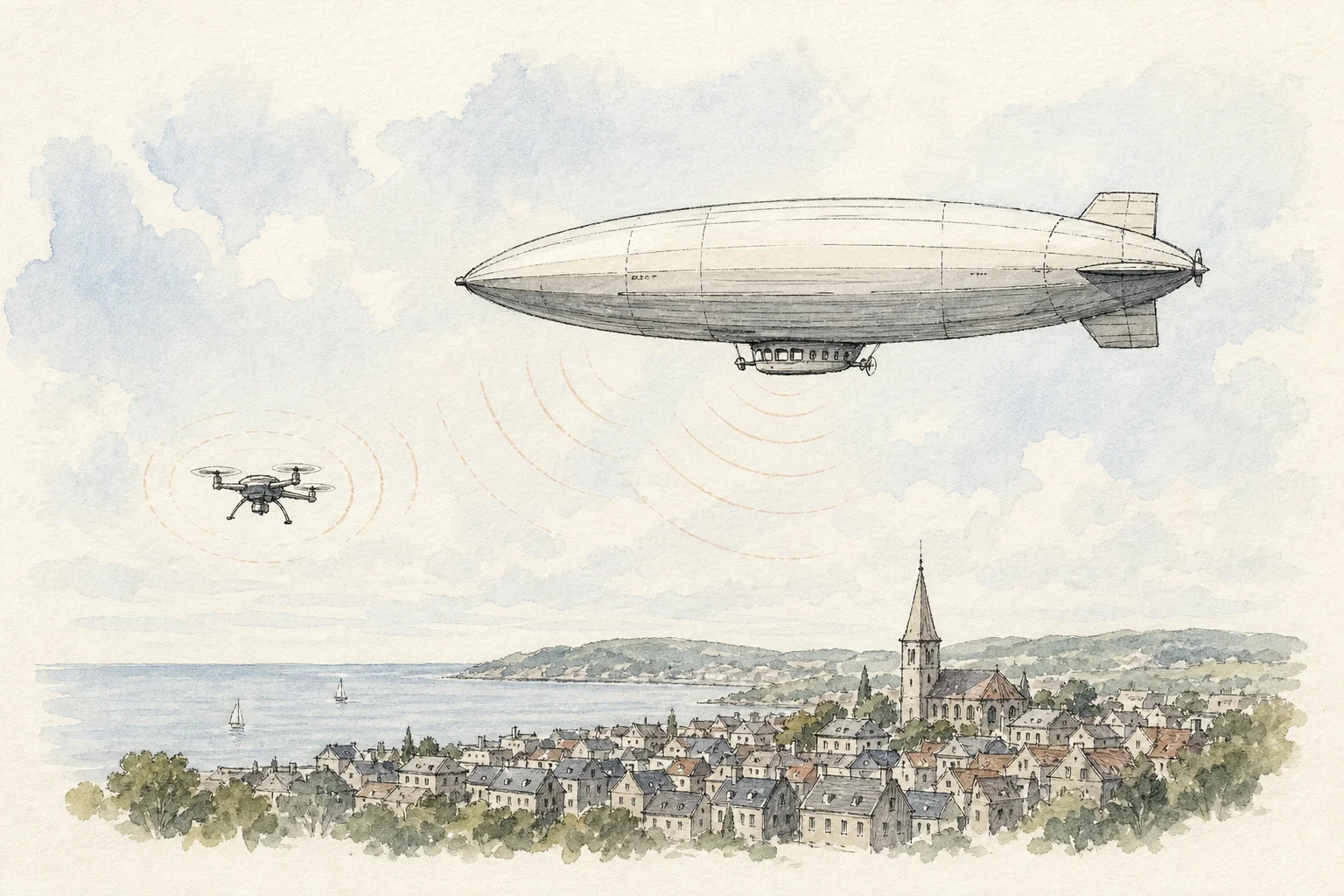
A stratospheric aircraft has successfully relayed everyday mobile services to standard smartphones and connected with drones over western Japan. In tests near Muroto, Kochi Prefecture, the airborne base station supported messaging, voice calls, internet access, video streaming and emergency communications, while also enabling drone control, location tracking and video transmission.
The platform, developed by US aerospace company Sceye and tested with SoftBank, had flown more than 15,000 kilometres from New Mexico to Japan in 13 days. It then remained in Japanese-controlled airspace for more than seven days and at times held its operating position within a radius of five kilometres.
The trial also placed a mobile network core and web server aboard the aircraft, allowing some data to be processed in the stratosphere rather than sent to an internet cloud. The companies reported an average round-trip response of 68 milliseconds, more than 40 percent quicker than the cloud-based setup used for comparison.
High-altitude platform stations, or HAPS, are designed to operate between terrestrial towers and satellites, potentially providing broad coverage from one aircraft. SoftBank says the technology could help restore connectivity after earthquakes or typhoons and support drones used to assess damage or inspect roads. Commercial viability is not yet proven, with endurance, regulation, spectrum approval and cost still important hurdles. Further operational expansion is planned by 2027.
Sources
- 毎日新聞SoftBank successfully conducts flying telecom base test over Japan
- The Montreal GazetteSceye and SoftBank Corp. Complete Stratospheric Connectivity Demonstration in Japan, Advancing Towards HAPS Commercialization
- RCR Wireless NewsNew star in comms firmament - Softbank positions HAPS between terrestrial and satellite