science and discovery
Focused attention reduced acute skin inflammation in laboratory study
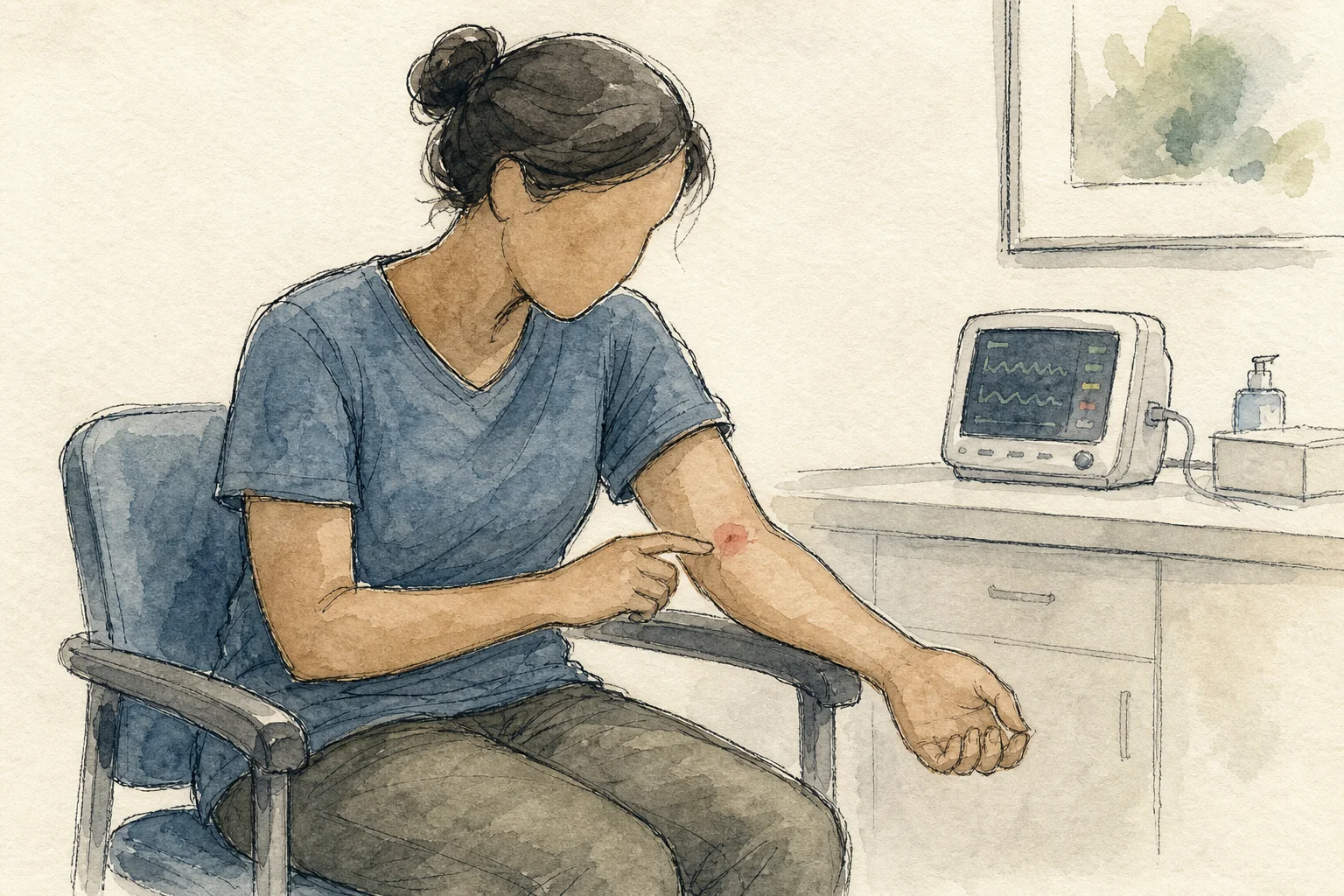
Voluntarily focusing on an irritated patch of skin reduced the body’s acute inflammatory response compared with distraction, researchers at Bar-Ilan University found. Across three preregistered experiments, 57 healthy volunteers received a histamine skin prick that caused a small, temporary reaction on the arm. Participants either attended closely to sensations from the area or directed their attention elsewhere, while researchers tracked the response for 20 minutes.
The results, published in Nature Human Behaviour, showed that nearly 90% of participants had a smaller inflammatory response when focusing on the affected area. The response was approximately 1.5-fold smaller and returned toward baseline faster, with differences appearing within minutes. Measurements of the physical skin reaction showed that attention affected more than participants’ perception of discomfort.
Further testing indicated two possible routes for the effect: sensory signals from the inflamed tissue and a top-down influence that persisted when a local anesthetic reduced those signals. The study examined only controlled, short-term inflammation in healthy people. It does not establish that attention can treat illness, chronic inflammation or wounds, and researchers are now investigating the brain and immune pathways involved.