Health and healing
Gene therapy and goggles restore limited sight in small trial
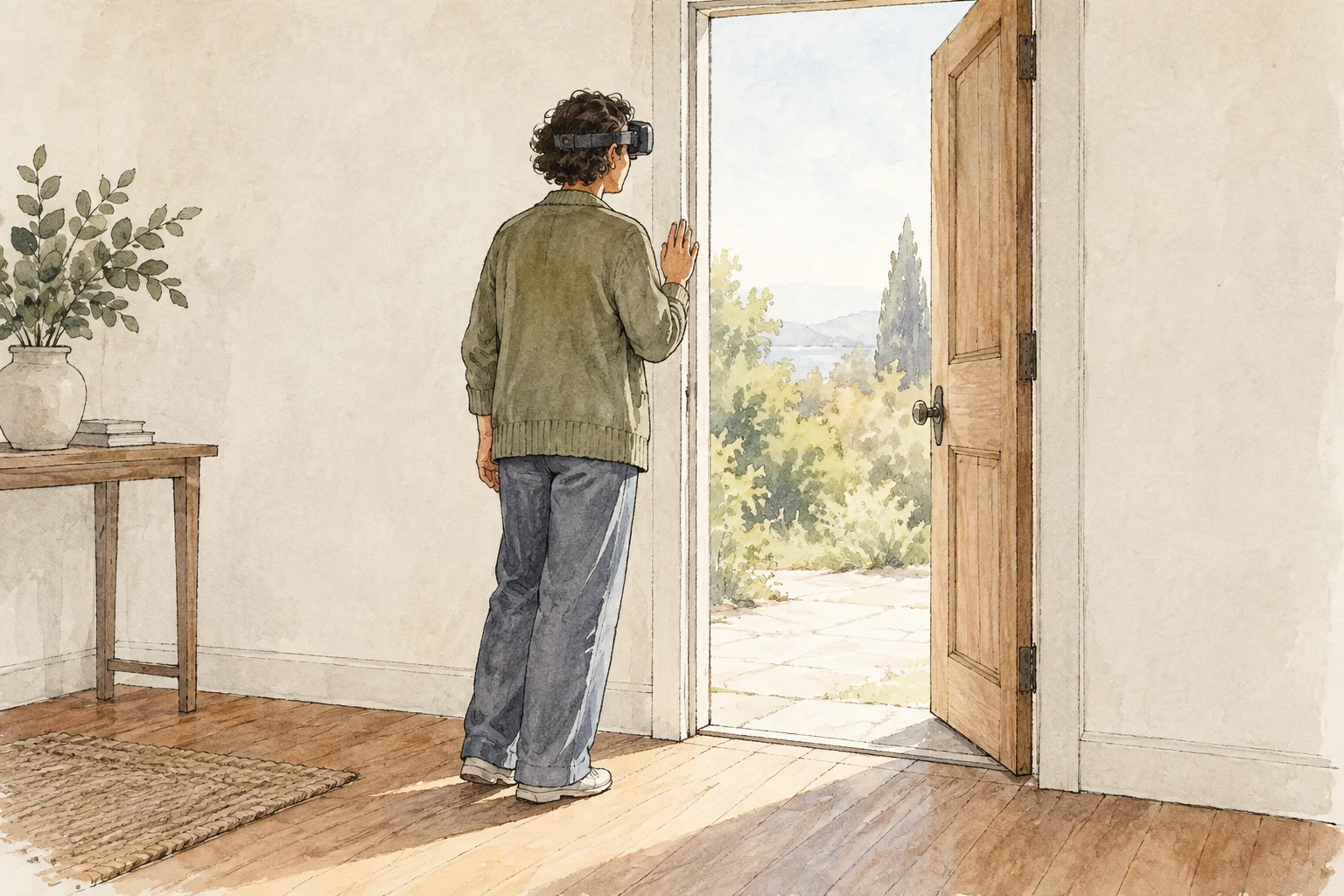
An experimental gene therapy paired with special goggles has helped some people with profound sight loss detect objects and find doorways. In a 10-person trial, six participants showed improvements in light sensitivity that researchers judged clinically meaningful.
All participants had advanced retinitis pigmentosa, a group of genetic disorders that progressively destroy light-sensing cells in the retina at the back of the eye. The findings were published in the New England Journal of Medicine.
Researchers gave a single injection into each participant’s worse-seeing eye, delivering genetic instructions that made surviving retinal cells sensitive to light. Camera-equipped goggles then converted images into light pulses that activated those cells, which normally relay visual information to the brain.
Four of the eight participants who completed behavioural testing performed better on visual tasks with the goggles. No participant gained the ability to read words or see faces. The approach also requires a working optic nerve to carry signals from the eye to the brain.
Participants were followed for up to five years. The study primarily assessed safety: eye-related side effects were common but mostly mild or moderate. One severe eye event resolved within minutes after treatment. Larger studies are needed to establish how safe and effective the approach is.
Sources
- The GuardianGene therapy can partly restore sight in blind people, researchers reveal
- MedPage TodayGenetically Engineered Treatment for Blindness Shows Early Promise in Small Study
- Science NewsGene therapy and special goggles give some blind people limited sight
- Physics WorldOptogenetic therapy shows promise for vision restoration - Physics World