Science and discovery
Giant ‘D-rex’ fungus reveals an ancient lineage in China
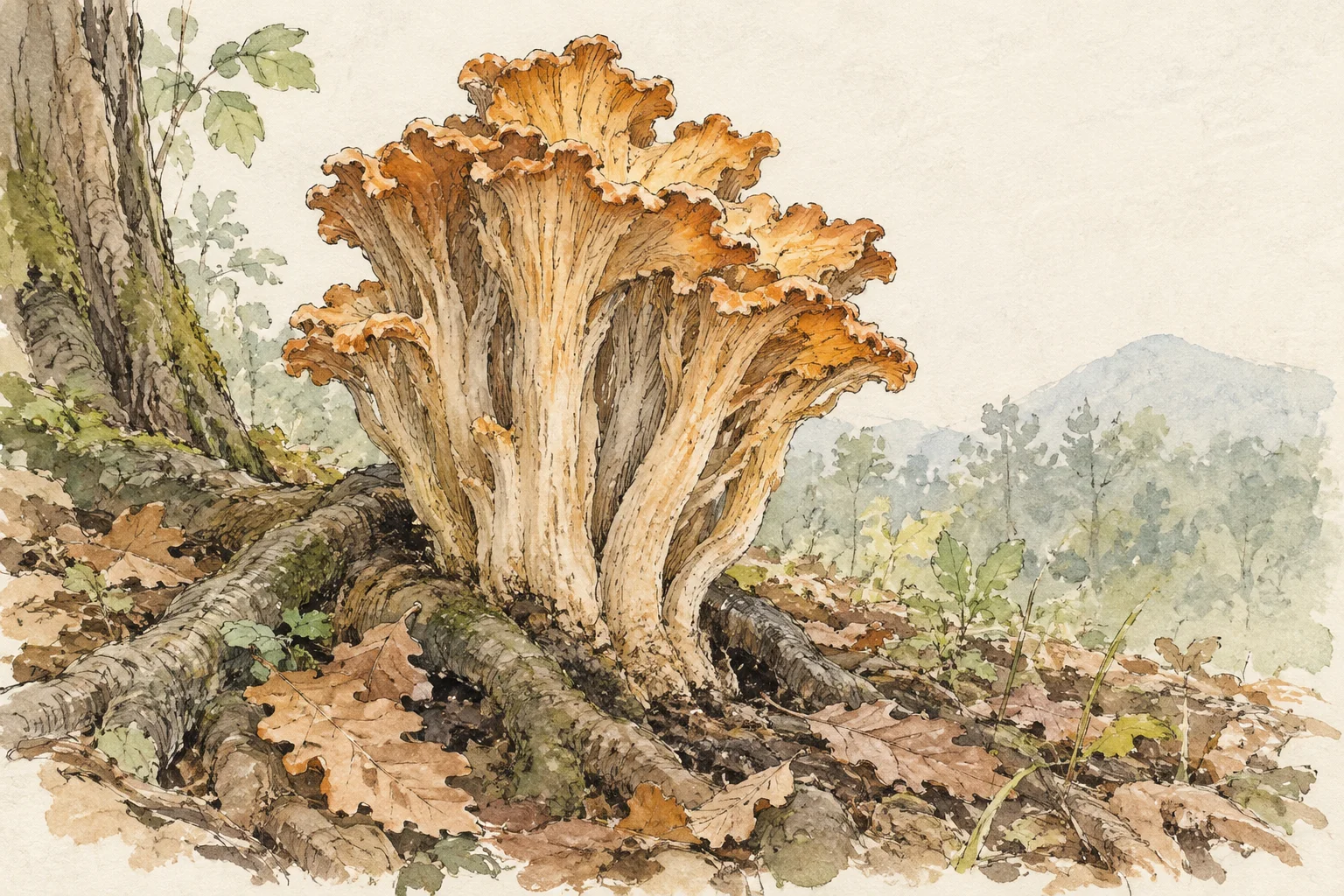
Scientists have identified a giant fungus in China’s Yunnan forests that is distinctive enough to form a newly recognised fungal family. Named Dianjunus rex, or ‘D-rex’, it produces upright reproductive structures up to 50 centimetres tall, with one collected specimen weighing 2.2 kilograms.
Researchers at the Kunming Institute of Botany studied its physical features and DNA to establish that it represents an unfamiliar branch of the fungal family tree. Their findings were published in Frontiers in Fungal Biology.
The fungus was found growing on tree roots, including those of Chinese cork oak. Its towering structures release spores, serving a similar purpose to familiar mushrooms. They are the largest recorded in Ascomycota, the broad fungal group that includes morels and truffles.
Comparisons with other fungal genomes suggest its family separated from its closest known relatives around 65 million years ago. But the estimated range stretches from 50 million to 80 million years ago, so researchers cannot establish whether this happened before or after the mass extinction that wiped out non-avian dinosaurs.
Its extraordinary size poses another question. Taller structures might help spores catch the wind above vegetation and debris on the forest floor. That explanation remains a hypothesis, however, and building such large structures would require considerable energy.
Sources
- ScienceAlertScientists Uncover D. Rex: Gigantic New 'King' Fungus From China Traces Its Roots to 65 Million Years
- Global Times 环球时报英文版'T. rex of fungi': Chinese scientists discover giant new fungal family in Yunnan province
- EurekAlert!Scientists discover 'D-rex', a giant fungus from Chinese forests whose unique lineage dates back 65 million years