technology and innovation
IVF birth offers a new way to preserve India’s Badri cattle
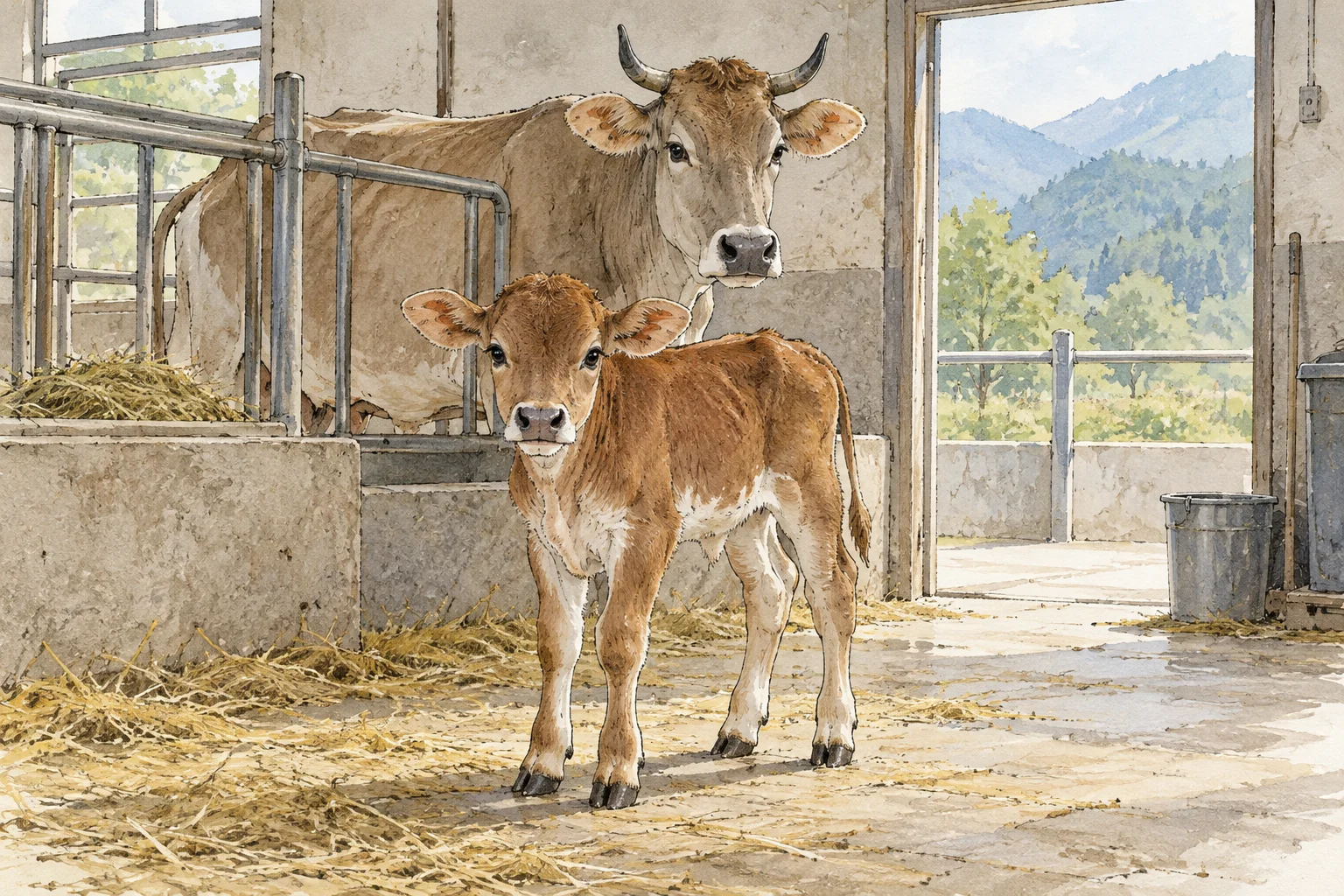
A healthy female Badri calf has been born after laboratory fertilisation, giving scientists a proven new tool to help conserve and expand Uttarakhand’s indigenous hill cattle. The calf arrived on September 11 at GB Pant University’s academic dairy farm, following a three-year collaboration with the National Dairy Research Institute in Karnal.
Researchers used ovum pick-up and in vitro fertilisation, known as OPU-IVF. They collected egg cells from selected Badri cows with ultrasound guidance, matured and fertilised them in the laboratory using semen from a selected Badri bull, then cultured the resulting embryos. One embryo was transferred to a reproductively synchronised Sahiwal cow, which carried the pregnancy and delivered the healthy calf. Because both the egg and semen came from Badri cattle, the surrogate’s different breed did not change the calf’s genetic identity.
The programme began in 2023 with support from the Uttarakhand Biotechnology Council. Scientists had to adapt each stage to Badri cattle rather than simply reuse protocols developed for other breeds, studying their reproductive responses and refining egg recovery, embryo culture and transfer. The successful birth shows that multiple embryos could potentially be produced from especially valuable females, supporting faster multiplication of useful genetic traits. It is an early foundation for a wider conservation and breed-improvement programme, not by itself a guarantee of population recovery.