science and discovery
Human Neurons Integrate Into Mice, Opening a Window on Brain Disease
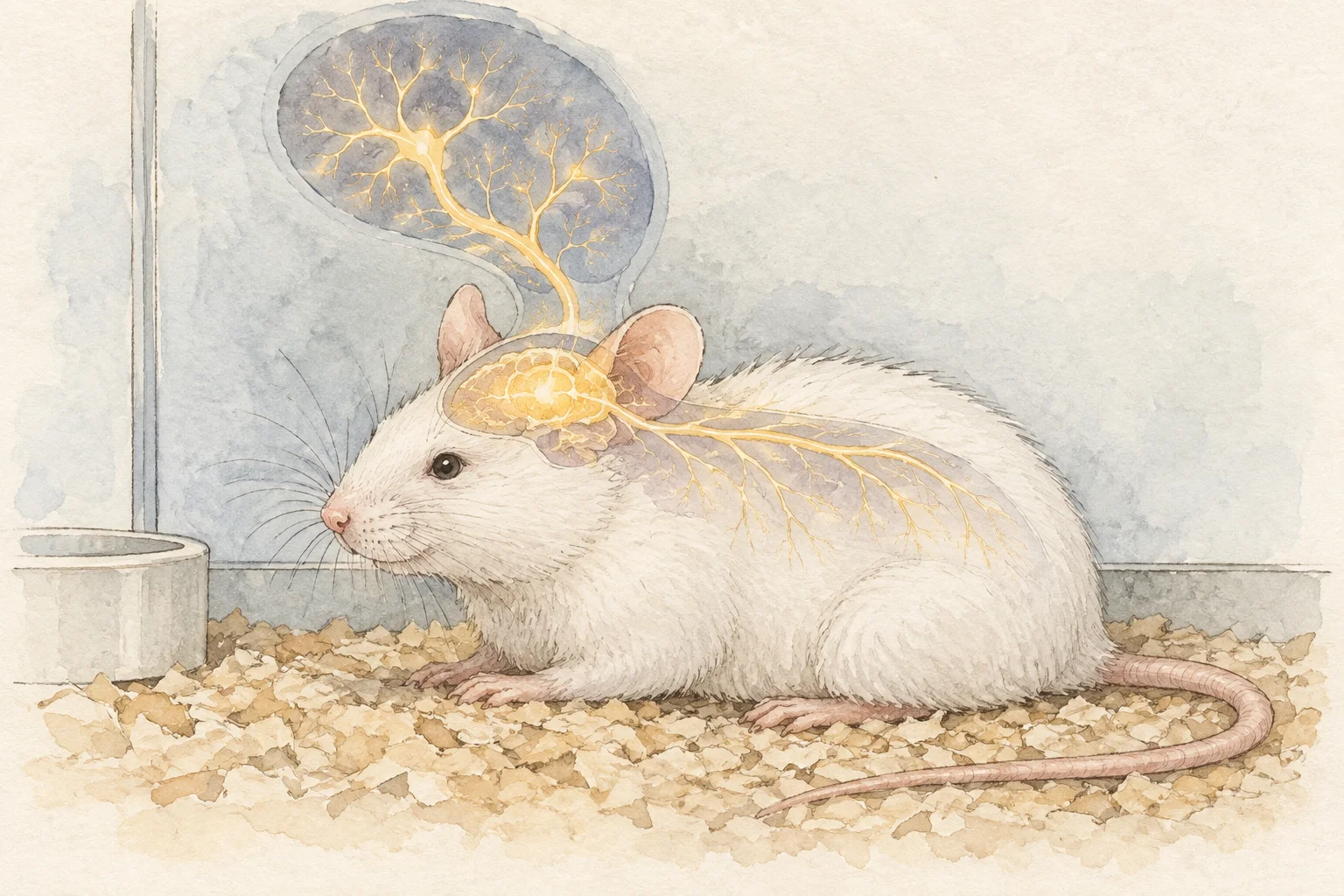
Scientists have achieved the most extensive integration yet of human brain cells into another animal, creating a new way to study conditions that are difficult to reproduce in standard laboratory models.
The team grew brain-like clusters called organoids from reprogrammed human skin cells, then implanted them into young mice genetically engineered so that much of their cerebral cortex would not develop. With little competition for space, the human tissue expanded nearly fivefold within two to three months, filled more than 90% of the vacant area and formed connections with the mice’s brains and spinal cords.
The tissue produced specialized human neurons, including cells resembling von Economo neurons, which are especially vulnerable in frontotemporal dementia and had not previously developed in a laboratory dish. The model also showed a human-like vulnerability to oxygen deprivation, offering a possible route for studying cerebral palsy and related developmental disorders.
Important limits remain. The implanted tissue was immature, lacked the cortex’s usual layered organization and did not include all major brain-cell types. Behavioral tests found no enhanced intelligence in the mice. The research received independent ethical review, but outside experts say close animal-welfare scrutiny must continue, particularly if similar methods are ever considered in larger, longer-lived animals.
Sources
- BBCPart-human part-mouse brain developed in science breakthrough
- The GuardianScientists create mice with part-human brains
- NPRMice with human brain cells offer a tool to study disease. Ethicists ask: What's next?
- LaVanguardiaOrganoides de cerebros humanos crecen en ratones para estudiar trastornos neurológicos
- NatureHuman brain cells transplanted into mice in 'most extensive' integration ever