health and healing
India delivers more than 8 million HPV vaccinations in six months
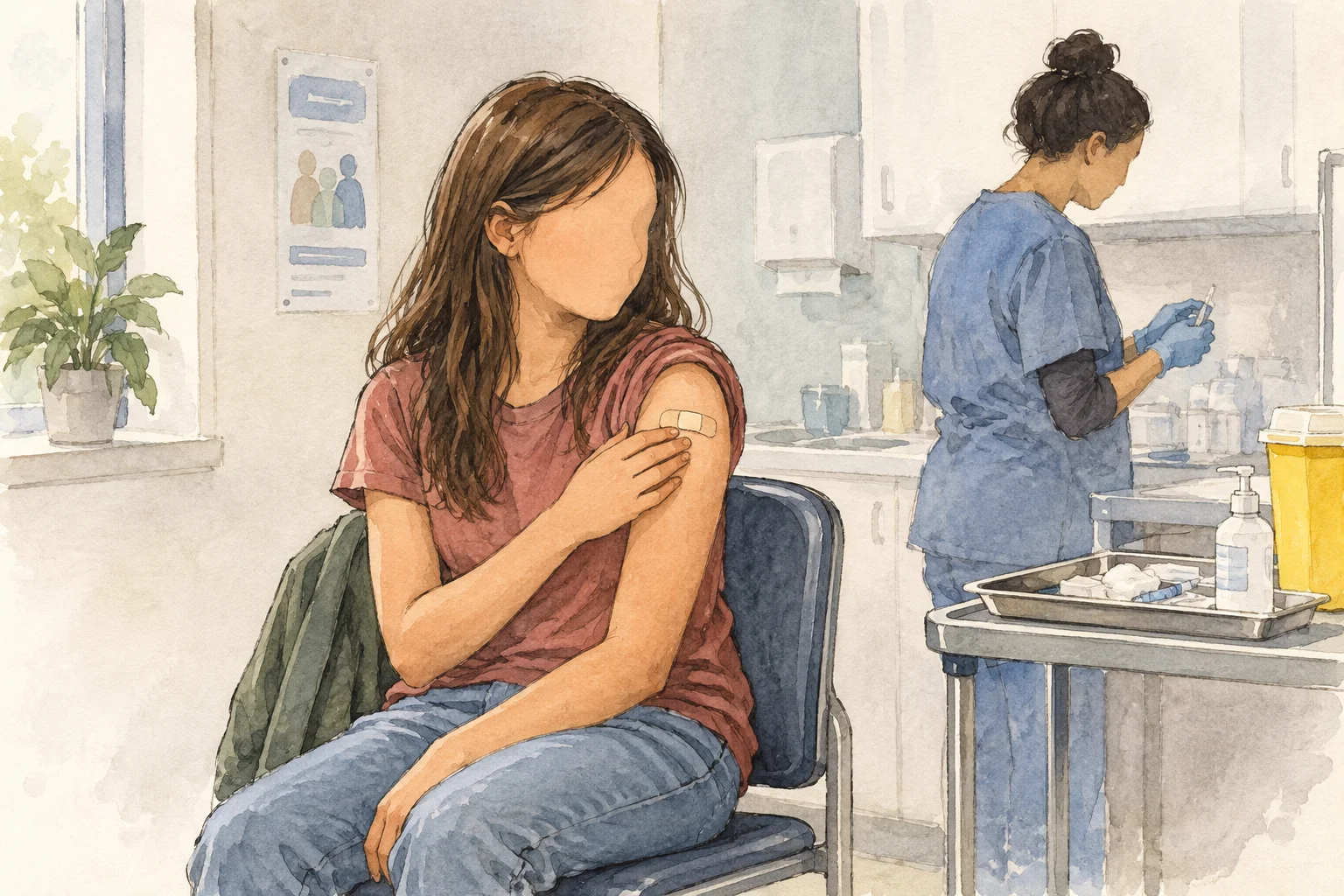
More than 8 million adolescent girls in India have received HPV vaccinations through a national campaign launched six months ago, according to the country’s Health Ministry. The expanding coverage offers protection against infections that can lead to cervical cancer.
Launched on February 28, the campaign provides voluntary, free, single-dose vaccination to 14-year-old girls at government health facilities, with parental consent. India’s annual cohort of eligible girls is estimated at about 12 million, making the milestone substantial while leaving more young people to reach.
Uttar Pradesh recorded the largest number of vaccinations, at more than 2.2 million. The ministry said Gujarat, Uttar Pradesh, Madhya Pradesh and Mizoram had reached all members of their identified target groups, while Bihar, Andhra Pradesh and Assam had exceeded 90% coverage.
Health teams have worked through urban, rural and remote communities, supported by parents, teachers and frontline workers. The U-WIN digital platform helps programme managers track district coverage and identify girls who may have been missed. Vaccinations are supervised by trained medical officers, with facilities linked to round-the-clock services for assessing rare adverse events.
The programme addresses a major health burden. India records more than 120,000 new cervical cancer cases each year. The disease is largely preventable through HPV vaccination and regular screening, and it can be cured when detected and treated early.