Health and healing
India’s telemedicine service passes 500 million consultations
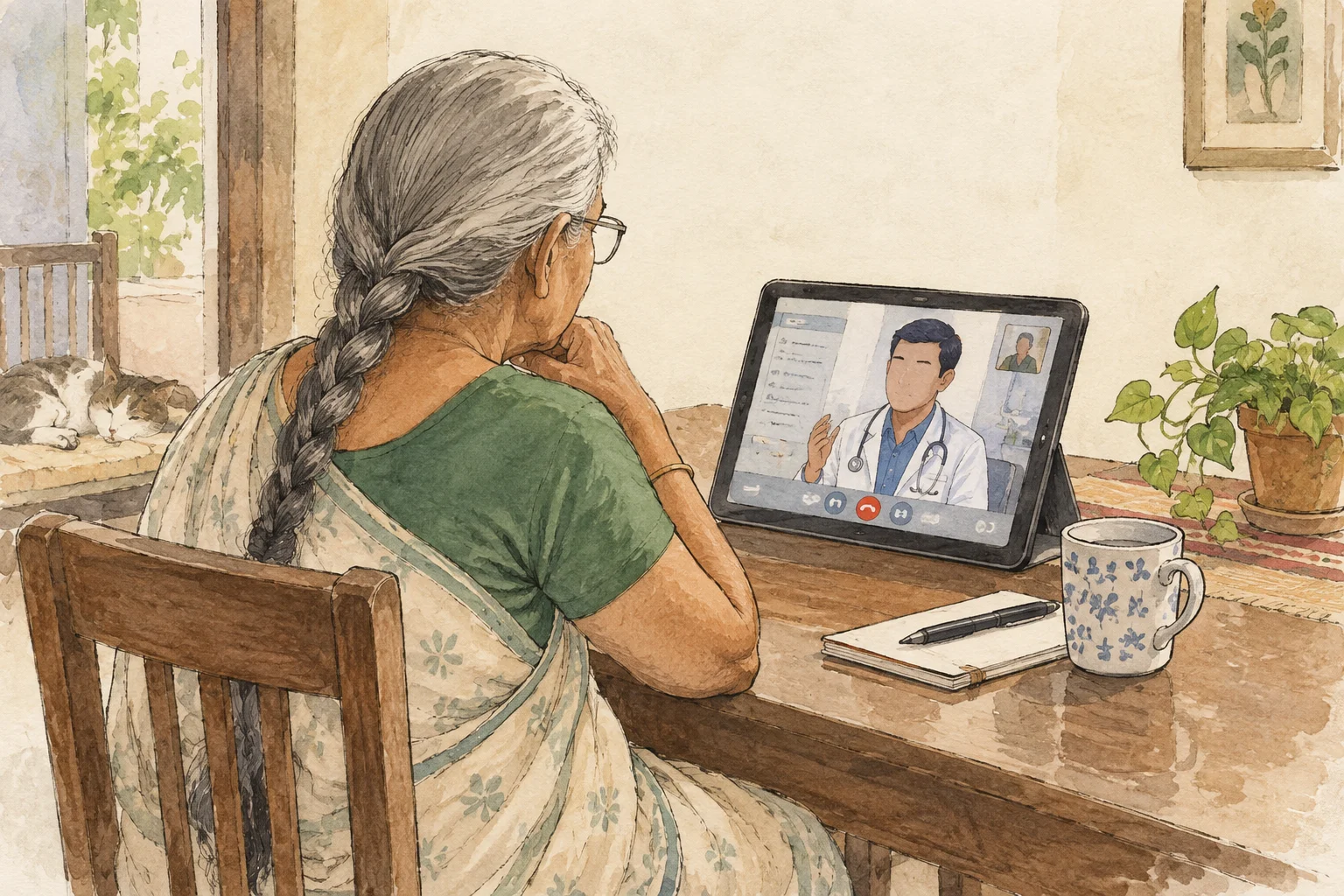
India’s public telemedicine service, eSanjeevani, has delivered more than 500 million remote medical consultations, the health ministry announced on October 6. Its reach now extends across all 36 of the country’s states and union territories.
The platform gained importance during COVID-19 restrictions, when travel was limited. It continues to complement in-person healthcare by connecting patients with health professionals remotely, including in rural and underserved communities where distance can make medical advice harder to obtain.
Available in 15 languages, the service currently handles around 250,000 to 300,000 consultations a day, according to government figures. Women account for about 57% of its use, while people aged 60 and over account for about 16% of consultations. Those figures highlight its use among groups for whom travel, time and other practical challenges can complicate access to care.
Now, the service is extending its reach into specialist care. Patients can access consultations from home in selected specialties through AIIMS government medical institutions in Jodhpur, Jammu and Patna. The ministry says this could reduce the need for long-distance journeys and waits for hospital consultations. Further expansion to other government medical institutions is planned, building on the platform’s existing primary healthcare network.