health and healing
Japan brings stem-cell heart patches into publicly insured care
A woman with severe heart failure has received Japan’s first publicly insured transplant of heart muscle sheets grown from stem cells, moving the treatment beyond research trials under conditional approval.
The patient, in her 50s, was in stable condition after surgery at Osaka Keisatsu Hospital on September 29. Whether the treatment will improve her heart function remains to be seen.
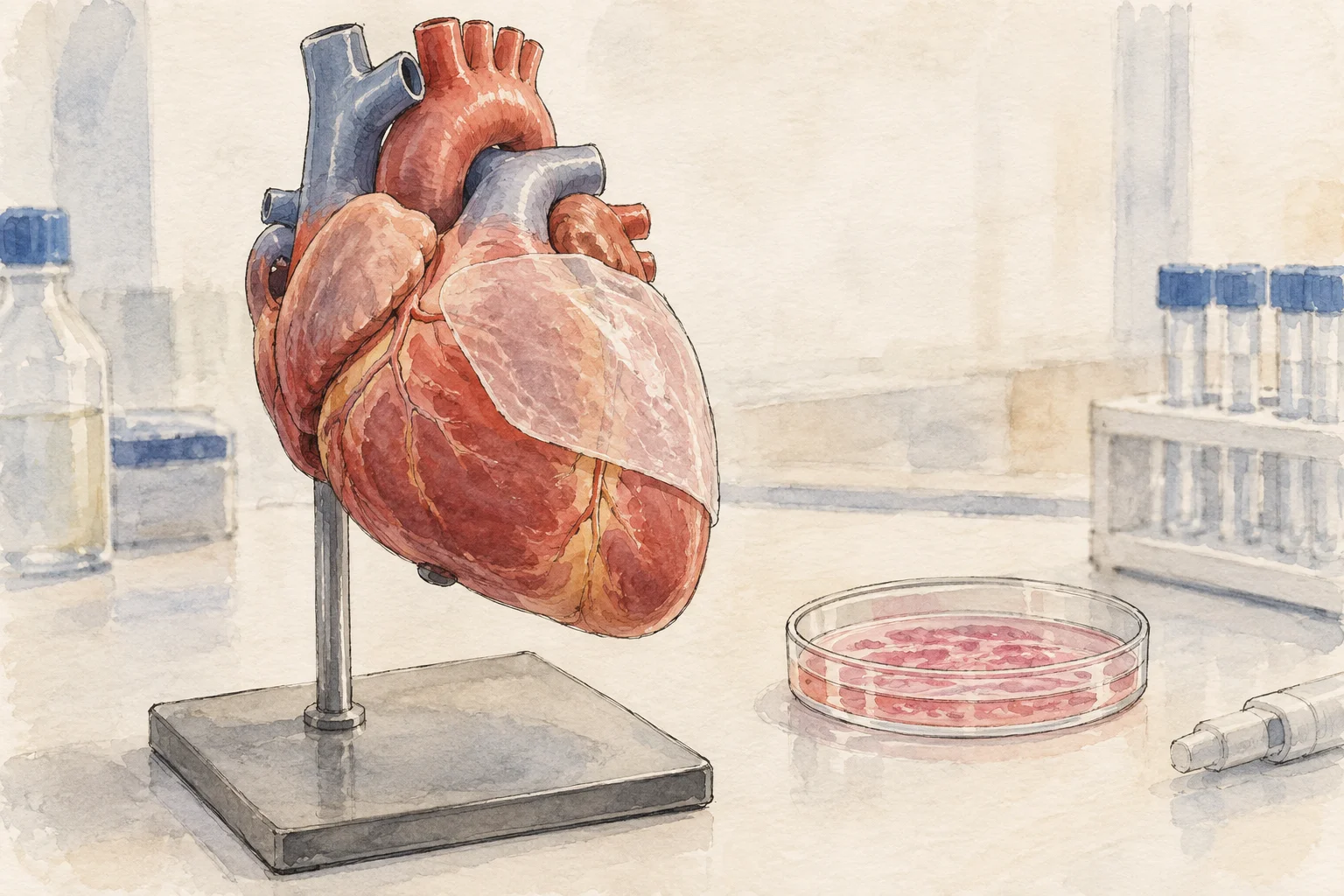
Called RiHeart, the sheets contain heart muscle cells grown from induced pluripotent stem cells, or iPS cells. These are mature cells reprogrammed to develop into many different cell types. Attached to the heart’s surface, the sheets are intended to encourage new blood vessels and improve heart function. The treatment targets severe heart failure caused by restricted blood supply, when existing therapies have not helped enough.
In a trial involving eight patients, all experienced an easing of symptoms, according to Japan’s health ministry. But the evidence is still limited. Developer Cuorips must gather further evidence of effectiveness and safety by 2033 to secure full approval, with treatment of 75 patients planned.
Public insurance coverage began on September 1. RiHeart costs 53.2 million yen per patient, but Japan’s high-cost medical expense system caps patients’ out-of-pocket payments.