Science and discovery
Jerusalem dig uncovers 300 metres of ancient aqueduct
Archaeologists have uncovered a 300-metre stretch of Jerusalem’s ancient Lower Aqueduct ahead of construction of a new neighbourhood in East Jerusalem. The excavation reveals how an enduring water system was built, maintained and adapted over centuries.
The Israel Antiquities Authority says the aqueduct is believed to date to the Hasmonean period, more than 2,000 years ago. It carried water from Solomon’s Pools, south of Bethlehem, along a roughly 21-kilometre route to Jerusalem, supplying the city and the Temple Mount.
Its engineers relied on gravity rather than pumps. Along most of the route, the channel descended just one metre per kilometre, requiring precise planning across rocky, uneven terrain. Access points allowed workers to clear blockages and maintain the channel.
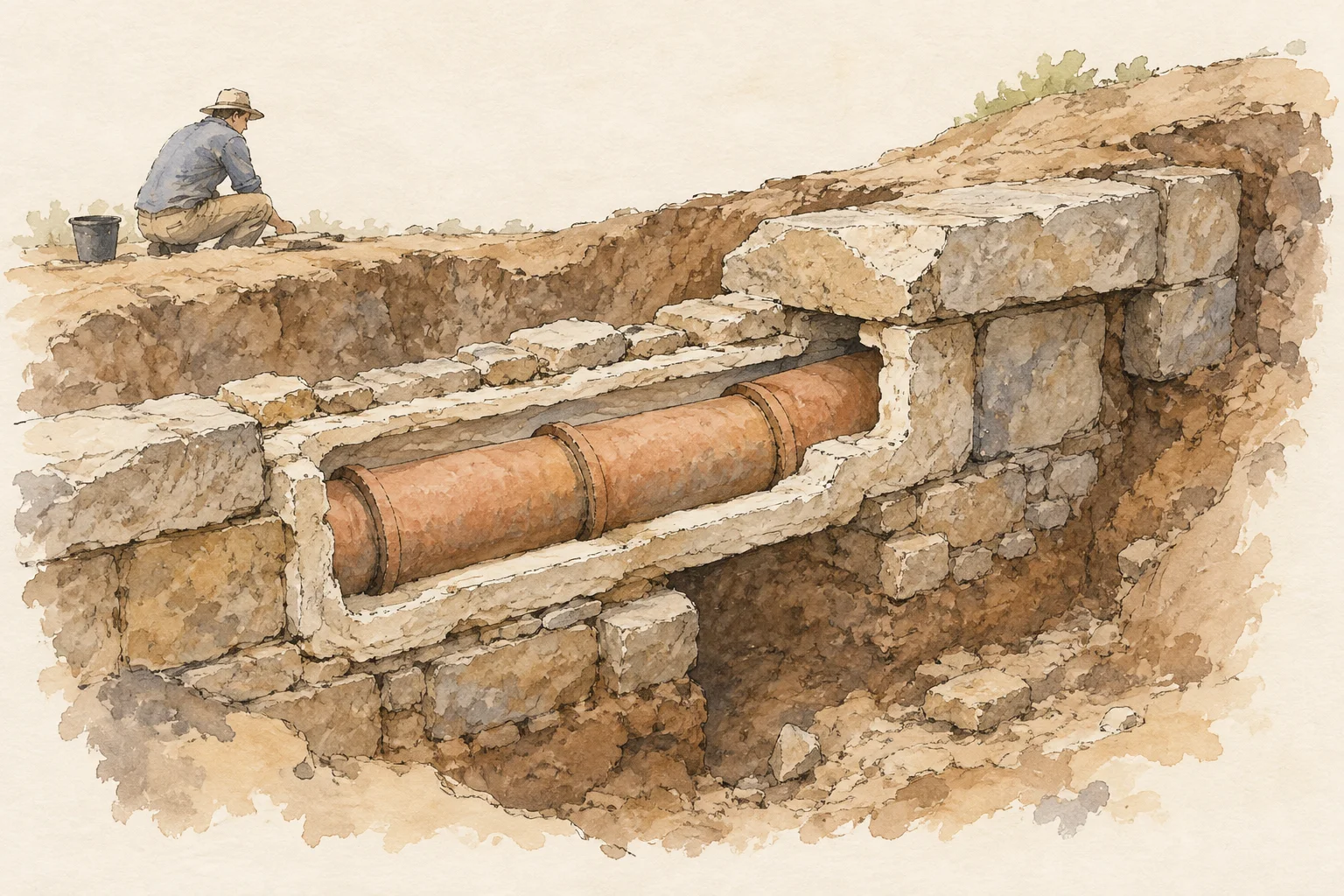
The newly exposed section records successive improvements. Water initially flowed through a plaster-lined channel; about 500 years ago, Ottoman-era builders installed ceramic pipes inside it. Repeated repairs helped keep the aqueduct in intermittent use until about a century ago, but also made its original construction harder to date. Researchers are now using improved scientific dating methods to investigate its origins.
Archaeologists have worked with urban planners to incorporate the remains into the neighbourhood’s design. Under the preservation plan, the uncovered stretch will become a publicly accessible archaeological park at the entrance, giving visitors a close view of the engineering that helped sustain Jerusalem.