Science and discovery
Jurassic bird’s short wings point to a life on the ground
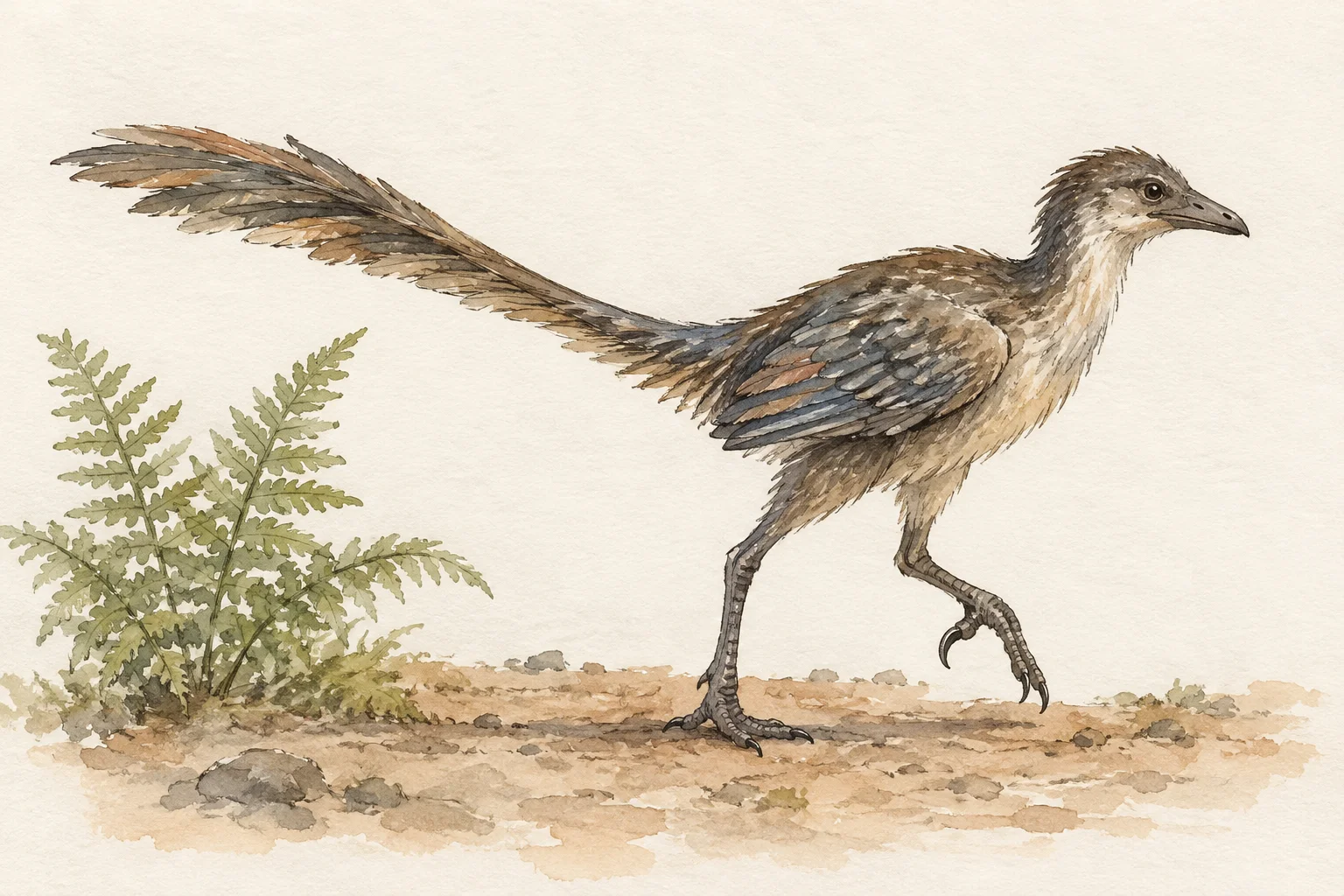
A rare bird fossil from southeastern China has given scientists new evidence that some of the earliest birds were adapted to life on the ground, rather than primarily for flight.
Named Yuezhuornis yangyuanensis, the crow-sized species lived around 148 million to 150 million years ago. Its remains were discovered in Fujian province in August 2024, and the research was published in Nature on 14 October.
A key clue lies in its proportions: its wings were roughly a third shorter than its legs. Researchers compared its anatomy with 377 living bird species and found its limb proportions most closely resembled those of ground-dwellers such as pheasants. The findings suggest it was a runner with limited or no ability to fly.
Its skeleton also combines strikingly different features. Bird-like hips sit alongside a long, bony tail, serrated teeth and a sickle-shaped claw on a flexible second toe. Similar to claws found in predatory dinosaurs such as Velociraptor, it may have helped the bird catch prey.
Jurassic bird fossils are scarce, making this specimen a valuable addition to the record. The researchers say it suggests early birds were already adapting to varied ways of life, rather than evolving solely towards better flight. Important questions remain, however: the species is known from just one specimen, and further discoveries are needed to clarify its lifestyle and place in the bird family tree.
Sources
- The IndependentNewly-discovered fossil of 'Frankenstein' bird leaves scientists stunned
- New ScientistFlightless ancient bird complicates our picture of wing evolution | New Scientist
- China DailyEarliest flightless bird discovered in Fujian
- natureasia.comPalaeontology: Flightless Jurassic bird reveals early diversity (Nature)
- 中国科学院网站Not All Early Birds Evolved Toward Better Flight, Jurassic Fossil Suggests