Science and discovery
Jurassic swimmer reveals the deep roots of suckling
Scientists studying an exceptionally preserved fossil from China have found evidence that an early mammal relative could suckle milk and swallow chewed food around 165 million years ago.
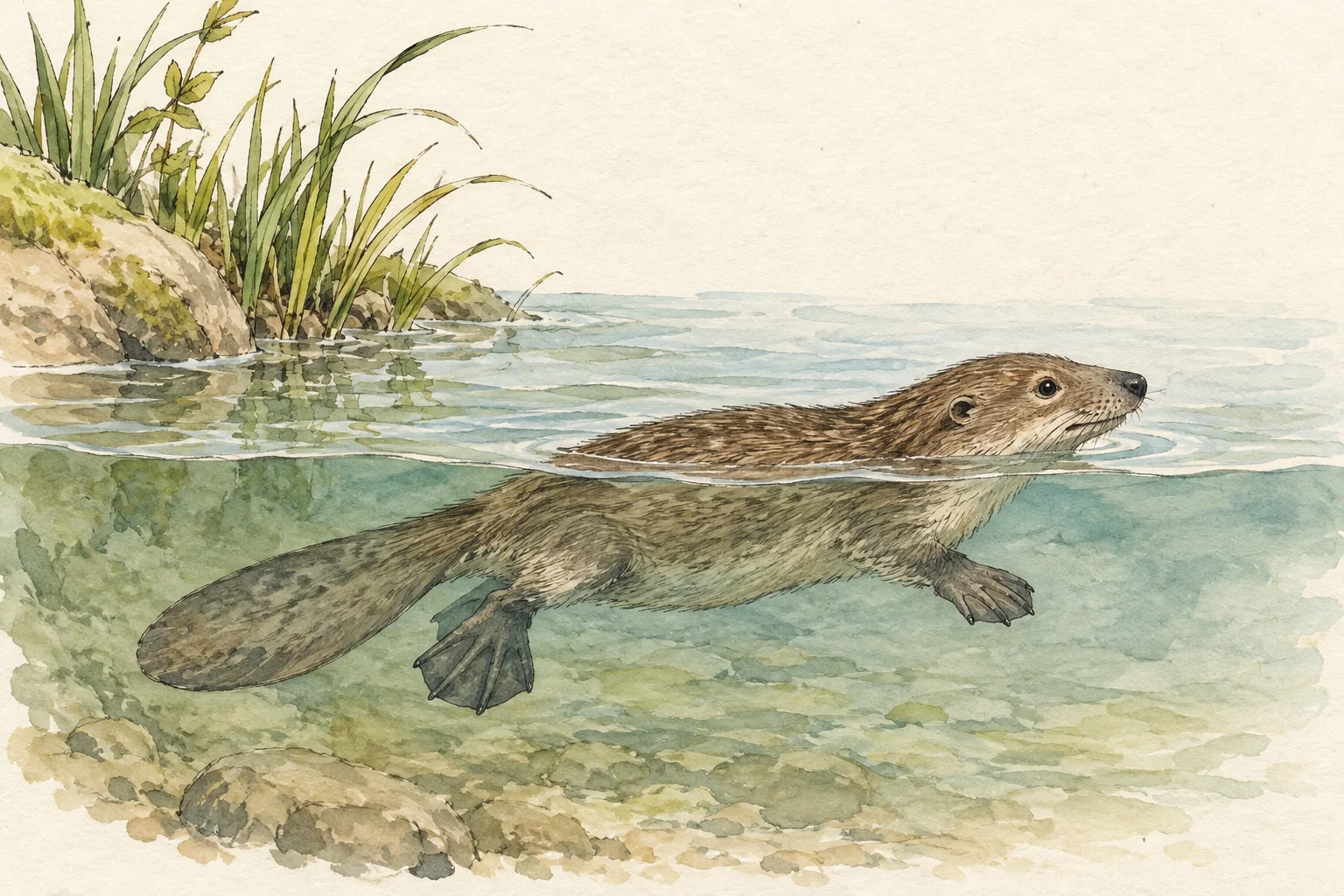
The animal, Megacauda sungei, lived alongside dinosaurs in what is now Inner Mongolia. Described in Nature, it weighed about 1 to 2 kilograms. Its broad, flattened tail and platypus-like hind limbs suggest it was adapted to swimming, while its sharp teeth were suited to eating meat. Small bones preserved in its stomach provide direct evidence of an animal-based diet.
Some of the fossil’s most revealing details lie in its delicate throat bones and the underside of its skull. Using X-ray imaging and CT scans, researchers examined structures that rarely survive fossilisation. These allowed the team to reconstruct how the throat’s bones and muscles would have worked together.
Their analysis suggests Megacauda had the anatomy needed to swallow small portions of chewed food and suckle milk as an infant, much as mammals do today. It is among the oldest fossil evidence of both abilities.
The discovery also adds to a growing picture of variety among early mammal relatives. Long before dinosaurs disappeared, these animals were already finding different ways to live, from burrowing and climbing to hunting in water.
Sources
- Times LIVEOtter-like critter swam lakes and rivers in the age of dinosaurs
- Houston Public MediaThis surprising mammal fossil is giving scientists something to chew on
- natureasia.comEvolution: An ancient platypus-like relative of mammals (Nature)
- Australian Broadcasting CorporationFossil of 'platypus-like' animal from dinosaur era unearthed in China