science and discovery
Lab-Made Minerals Hint at How Earth Could Store Water Deep Below
Scientists have created two previously unknown iron compounds that can retain hydrogen under conditions resembling Earth’s deep interior. The laboratory result offers a new clue to how water could be stored about 2,900 kilometres beneath our feet, near the boundary between the rocky mantle and the core.
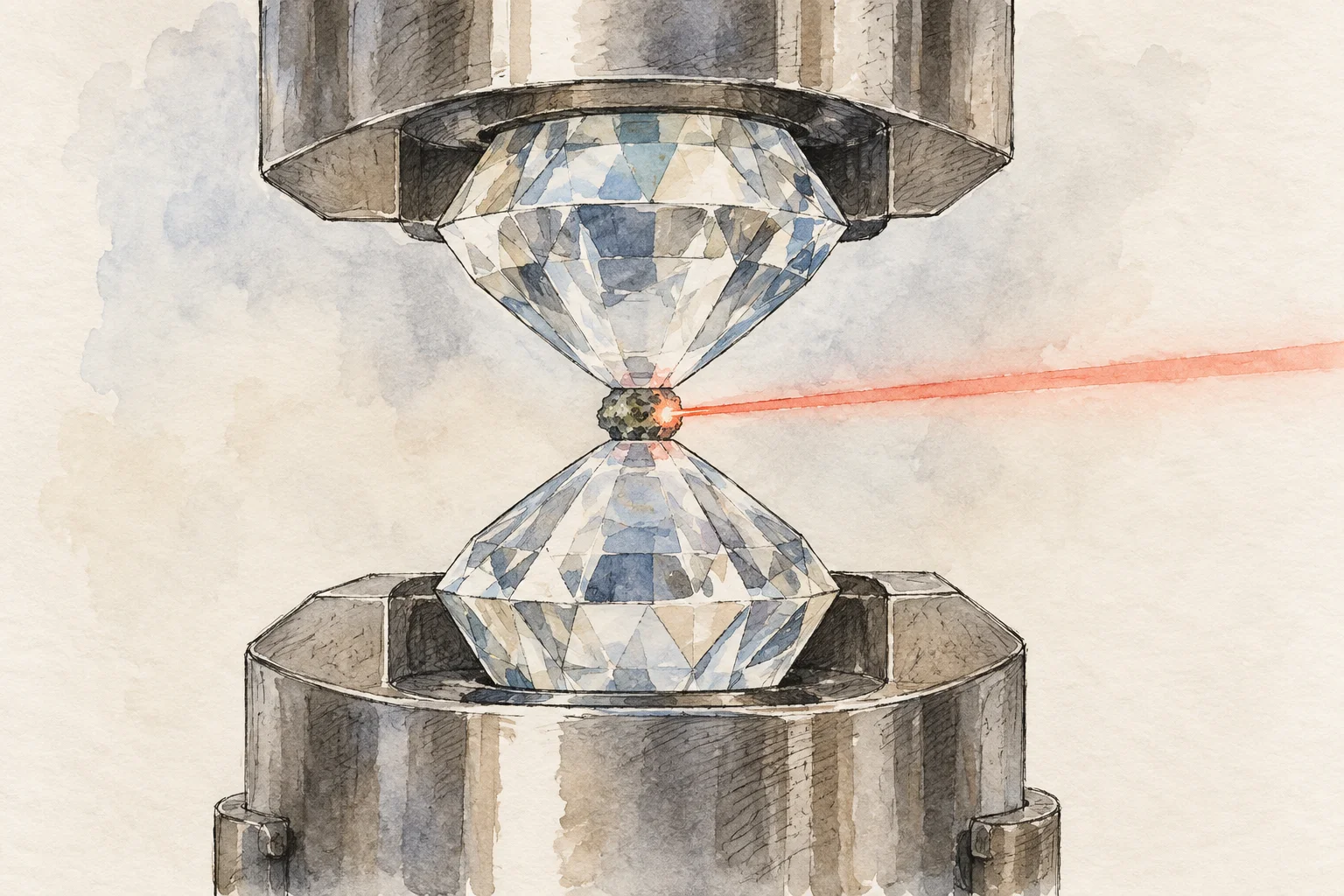
In the study, published in Nature Geoscience, researchers squeezed tiny samples between diamonds and heated them with lasers. Intense X-rays allowed the team to examine the resulting crystals and work out their structure. The compounds formed even when the starting material contained less than 0.1% water, suggesting that very little hydrogen is needed to make them stable.
This would not be an underground ocean. Instead, hydrogen, a component of water, would be locked within the minerals’ structure. The researchers suggest that these dense minerals could have formed as the young Earth cooled, then sunk towards the core, potentially keeping water stored for billions of years.
That possibility remains unconfirmed: neither compound has yet been shown to exist naturally inside Earth. Scientists also need to establish exactly how much water they could hold and how readily they might release it.
Sources
- La RazónUn estudio publicado Nature Geoscience apunta a que hay minerales a 2.900 km capaces de retener agua en el manto inferior de la Tierra
- EL IMPARCIAL | Noticias de México y el mundoCientíficos descubren dos minerales capaces de retener y almacenar agua a 2,900 kilómetros de profundidad, donde las temperaturas y presiones extremas podrían permitir que estos compuestos de hierro funcionen como reservorios de hidrógeno dentro de la Tierra
- LaRepublica.peLa Tierra podría almacenar una reserva de agua a 2.900 kilómetros de profundidad conservada desde la formación del planeta