science and discovery
Mars rocks reveal three episodes of ancient water activity
NASA’s Perseverance rover has found evidence that water interacted with rocks in Mars’ Jezero Crater on at least three separate occasions, revealing a more varied history than scientists expected.
The Purdue University-led study, published in Communications Earth & Environment, examines an area along the shoreline of an ancient lake. Researchers had expected layered sedimentary rocks. Instead, they found rocks formed from slowly cooling magma underground, later exposed by erosion.
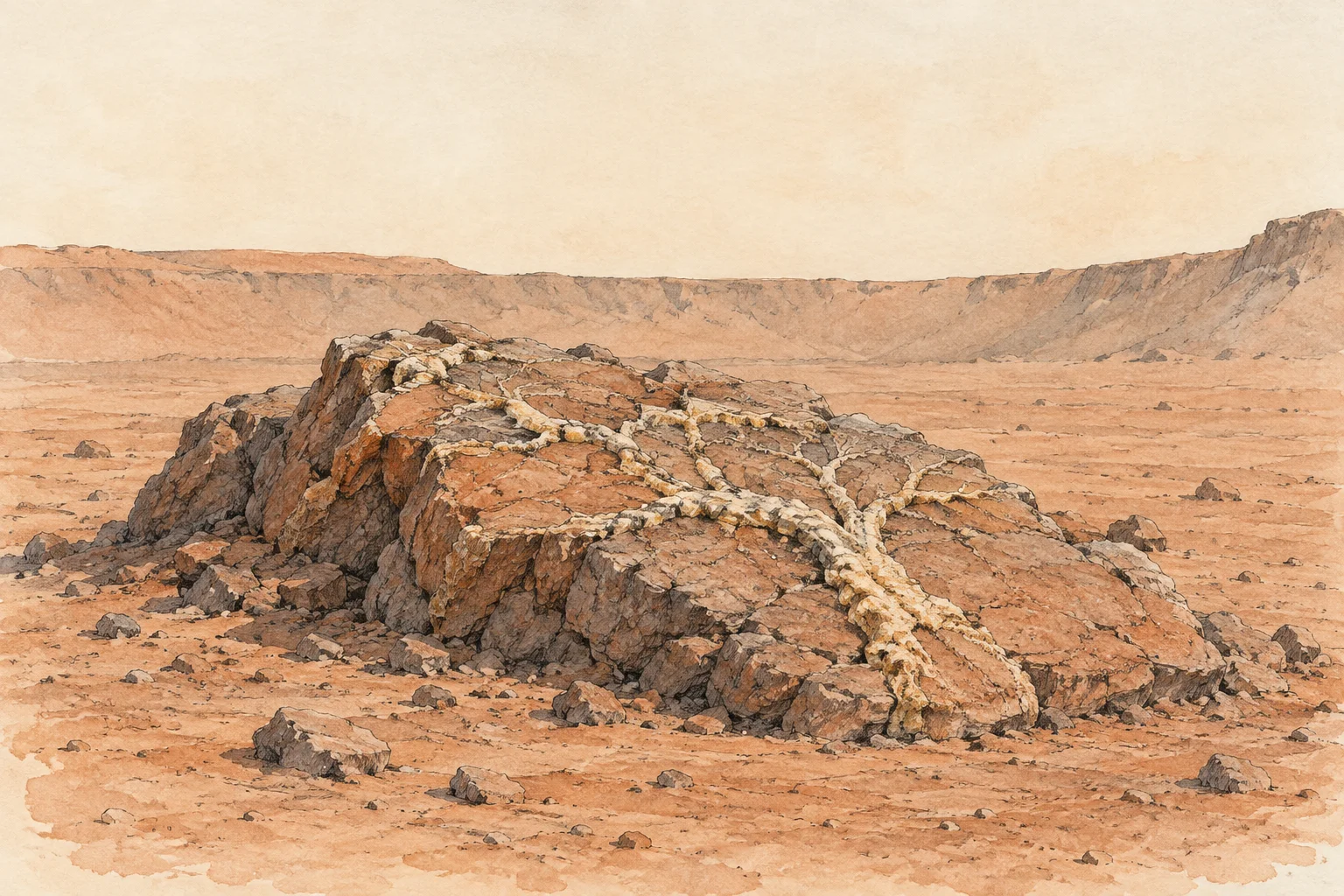
Using its laser-equipped SuperCam instrument, Perseverance analysed more than 185 bedrock targets. Mineral patterns helped the team reconstruct what happened: first, groundwater rich in carbon dioxide left carbonate deposits in fractures. Changes to those deposits, alongside silica in lower-lying rocks, pointed to another encounter with water, possibly involving the lake. Finally, minerals including fluorite indicated a later episode of heated groundwater.
The team can establish the order of these encounters, but not when they happened. The findings do not establish that life existed on Mars. They do, however, give researchers a more detailed guide to environments worth investigating. On Earth, reactions between water and olivine, a mineral found in these rocks, can release hydrogen that feeds some microbes. Carbonate and silica can also preserve traces of past life.