nature thriving
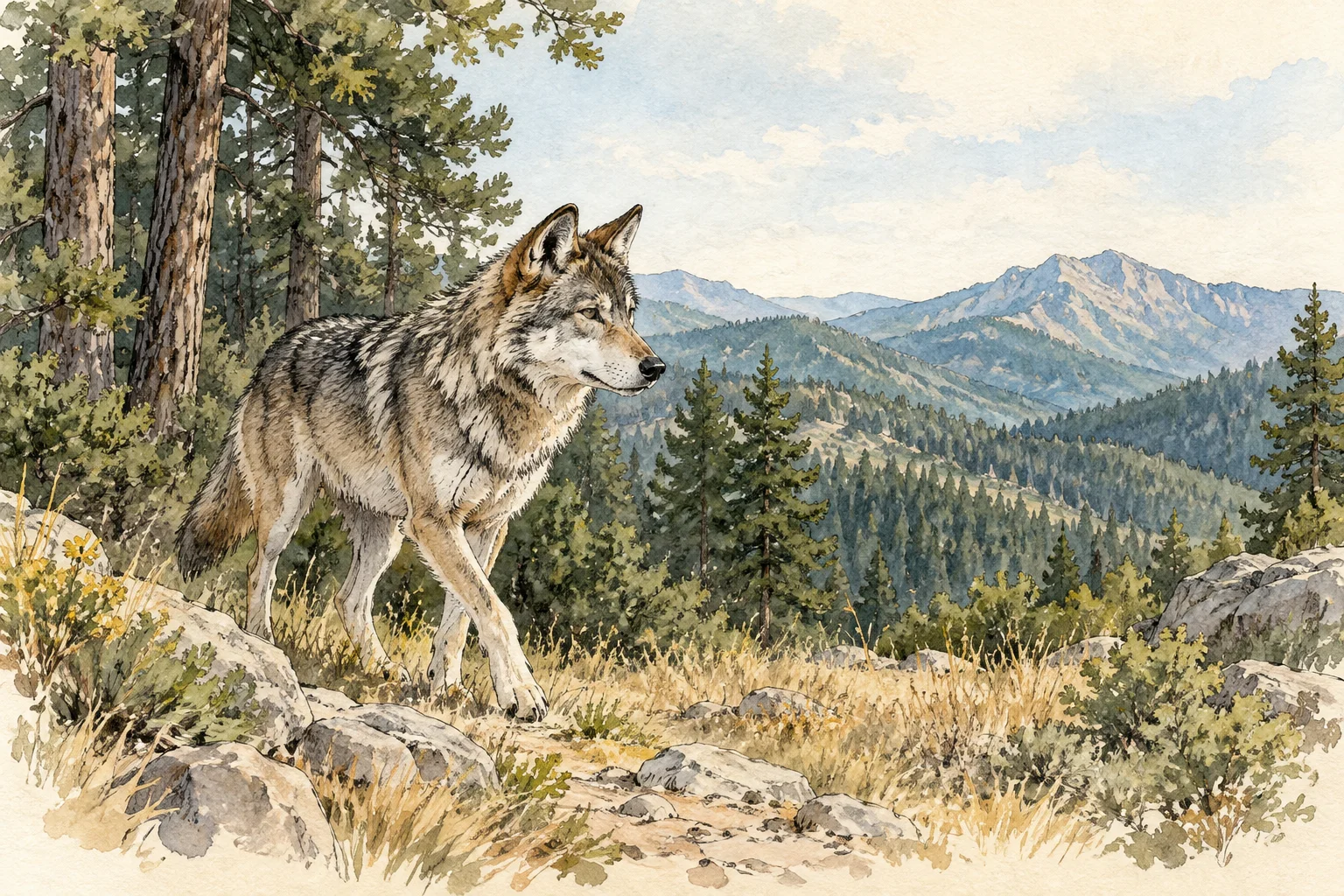
Mexican gray wolves return to Durango after 50 years
Mexican gray wolves have returned to forests in Durango through a reintroduction begun in 2026, ending more than 50 years of absence from this part of their historic range. Conservation teams also recorded two litters born in the wild between 2024 and 2026, totaling four pups. Together, these milestones support efforts to establish a new free-ranging population in Mexico.
The progress follows a severe decline. The subspecies was eradicated from the United States in the 1970s and considered extinct in the wild in Mexico a decade later. A binational recovery plan established in 1982 and updated in 2017 aims for viable, self-sustaining populations with suitable genetic diversity. Its targets are at least 320 wolves in the United States and 200 in Mexico. Mexico currently has 107 wolves under professional care across 24 institutions.
Recovery work extends beyond breeding and releases. Landholders, local ranchers, researchers and civil society groups are contributing to wildlife monitoring, community patrols, habitat restoration and livestock practices designed to reduce conflict. A separate project scheduled to begin in late 2026 will support wildlife corridors and coexistence measures for Mexican wolves, black bears and jaguars.
Sources
- infobaeMéxico fortalece acciones para recuperar al lobo mexicano y otras especies prioritarias
- ExcélsiorMantiene nuestro país acciones de protección y conservación del Lobo Mexicano
- EL IMPARCIAL | Noticias de México y el mundoTras la orden de Trump que revisa la protección del lobo gris y el lobo mexicano en Estados Unidos, México reitera su compromiso con la especie y fortalece acciones para su conservación
- El Heraldo de M�xicoMéxico impulsa nuevas acciones para recuperar la población del lobo mexicano - El Heraldo de México