Science and discovery
Moroccan fossils reveal a crocodile relative with needle-thin teeth
Scientists have identified a new species of ancient crocodile relative from Morocco whose needle-thin teeth suggest an unusual way of feeding: trapping tiny, soft prey rather than tackling large fish.
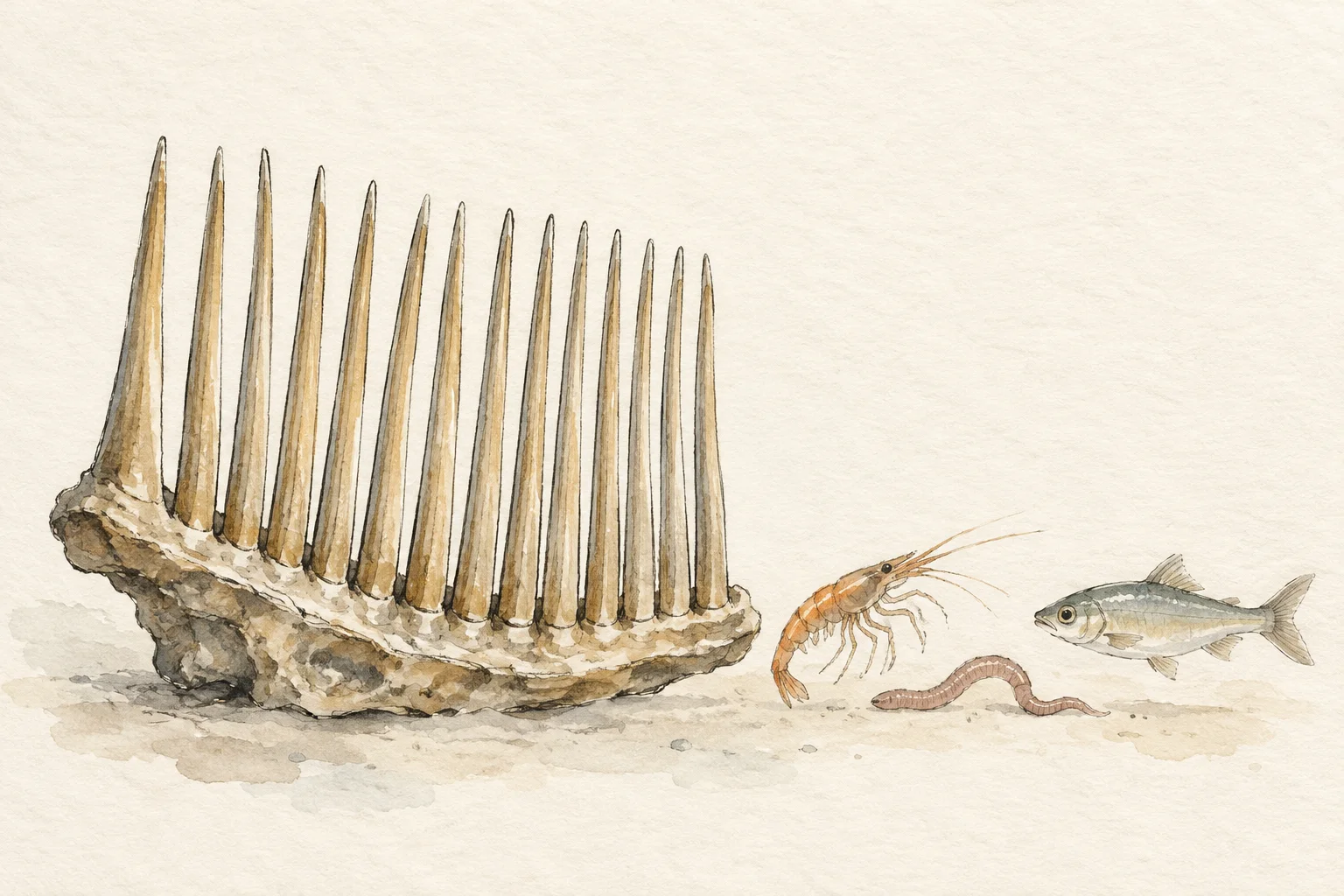
Named Ctenosuchus tenuidens, the animal lived during the Middle Jurassic. Its teeth were about ten times taller than they were wide and spaced just 2.3 millimetres apart. Researchers think this closely packed arrangement could have trapped small fish, shrimp and worms, while larger, struggling prey might have broken the delicate teeth.
Some teeth initially appeared as small black dots on a fossil slab. Careful work under a microscope revealed their exceptionally slender shape. The study draws on two incomplete specimens belonging to Hassan II University in Casablanca, which loaned them to the University of Portsmouth for preparation and research. The findings appeared in the Journal of Vertebrate Paleontology.
Much of the skull is missing, so important questions remain. The researchers considered whether the animal filtered food from the water, but stress that this is still a tentative idea.
The rocks surrounding the fossils formed in rivers and lakes, adding a freshwater species to a group of aquatic crocodile relatives better known from marine deposits. These animals are well documented in parts of Europe but poorly known in Africa, making the Moroccan specimens a valuable addition to our understanding of their history.
Sources
- Earth.comA Jurassic crocodile relative from Morocco had needle-like teeth unlike any of its known relatives
- Morocco World NewsPaleontologists Describe New Needle-Toothed Crocodile Relative From Figuig, Morocco
- en.yabiladi.comMorocco's Jurassic past reveals a newly identified crocodile with needle-like teeth
- Sci.News: Breaking Science NewsJurassic Crocodile Relative from Morocco Had Needle-Thin Teeth