technology and innovation
NASA and IBM open lunar AI tools to researchers worldwide
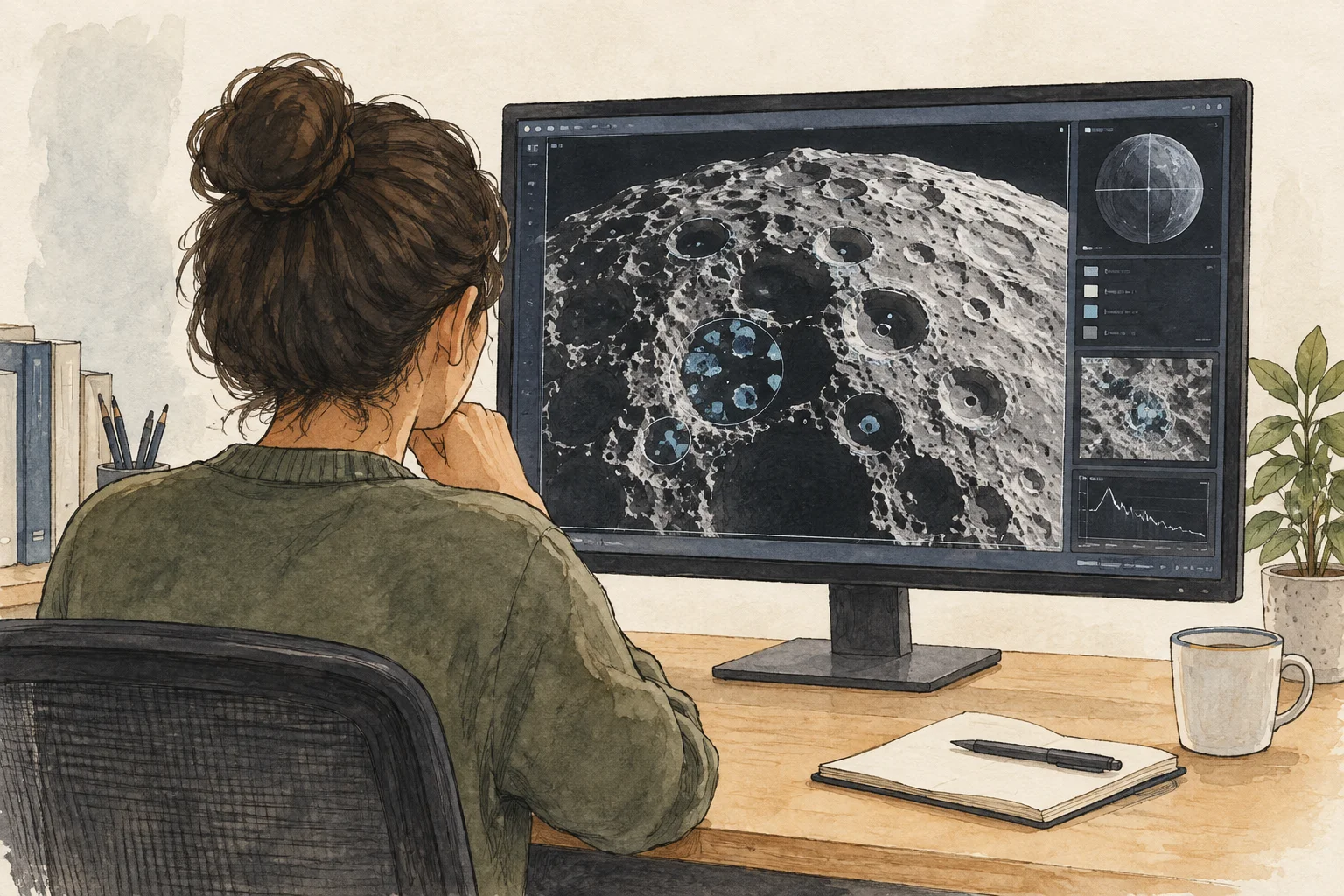
NASA and IBM have released an open-source artificial intelligence model that can help researchers find possible ice deposits, map craters and study volcanic formations on the Moon. The tool could speed up work that has often required scientists to examine large collections of images manually or use lower-resolution systems built for a single task.
The NASA-IBM Lunar Foundation Model was trained on decades of observations from nine instruments across four lunar missions. In benchmark testing, it performed up to 23 percent better than widely used comparison methods at identifying important surface features. More detailed maps of craters could inform the search for safer landing sites, while signs of ice in permanently shadowed regions may point to water that could support future crews and contribute to oxygen or rocket-fuel production.
Alongside the model, the partners published a dataset containing tens of thousands of maps and images, with observations from different instruments aligned for analysis. Both resources are publicly available through the open-source platform Hugging Face.
That access means research teams can adapt the model to new scientific questions rather than organizing the underlying data and building an AI system from scratch. The release supports NASA’s Artemis program, which is developing the technologies needed for a sustained human presence on the Moon and future missions farther into space.