science and discovery
New tablet fragment adds to the world’s oldest known peace treaty
Archaeologists in Türkiye have identified a newly found clay tablet fragment as part of a copy of the Kadesh Peace Treaty, adding to the surviving record of the world’s oldest known peace agreement.
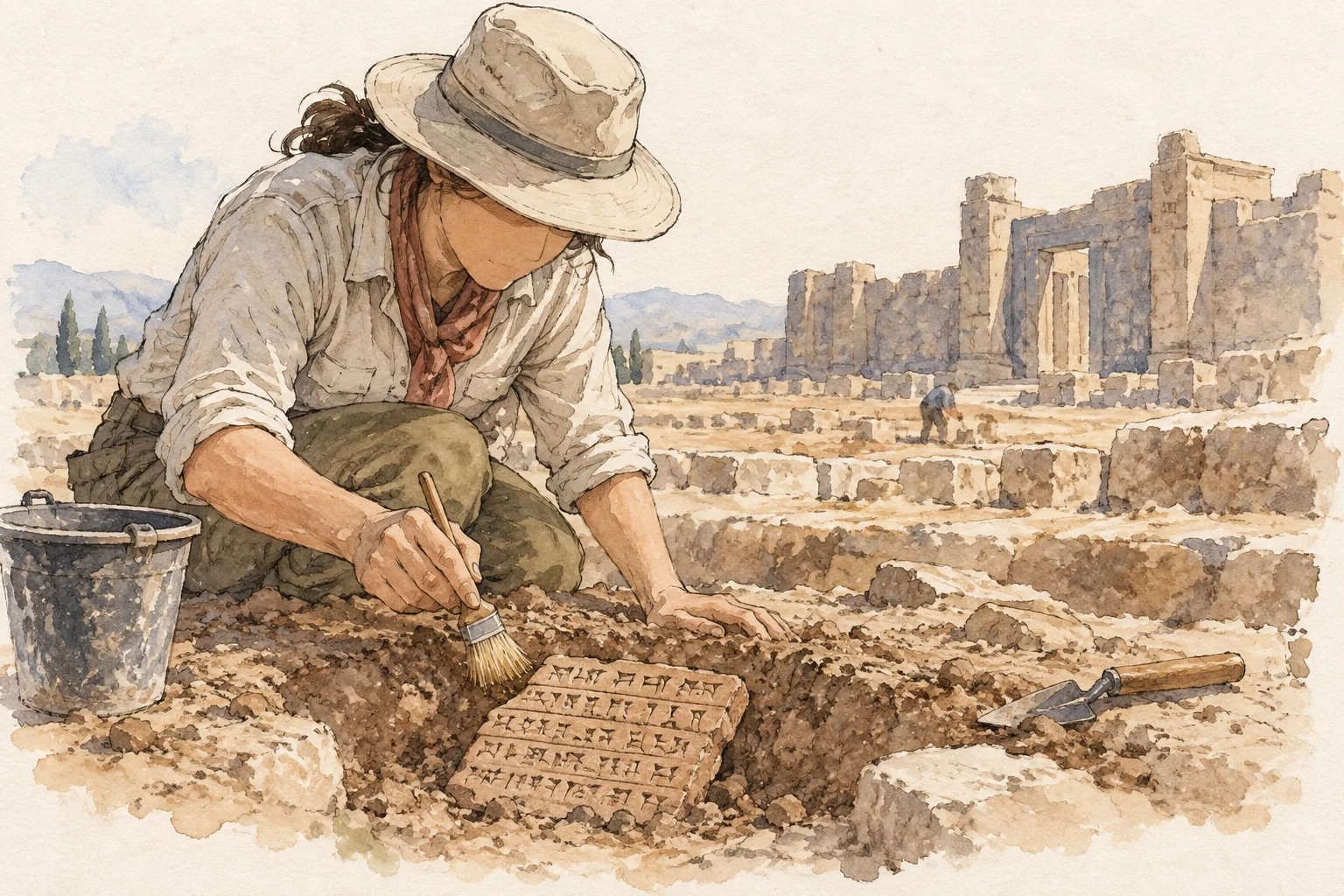
The fragment was unearthed at Büyükkale, the royal palace area of Hattusa, the ancient Hittite capital in what is now Çorum province. Researchers spent about a year examining it before the discovery was announced on 21 September, the International Day of Peace.
Written in Akkadian using cuneiform, a script made of wedge-shaped marks, the fragment belongs to a copy of the treaty concluded in 1259 BC between Egypt’s Ramesses II and the Hittite king Hattusili III. The agreement ended warfare between their empires and included a promise of military help against outside attacks.
The newly identified lines concern the treatment of people who fled one country for the other. Although the text is broken and incomplete, its readable sections include wording about not destroying their homes.
Egypt’s version survives in temple hieroglyphs, while clay fragments of the Akkadian text were first recovered at Hattusa in the early 1900s. This latest find helps researchers reconstruct those tablet copies, with excavations continuing in the hope of finding more missing pieces.