Technology and innovation
New tattoo inks switch colour on and off with light
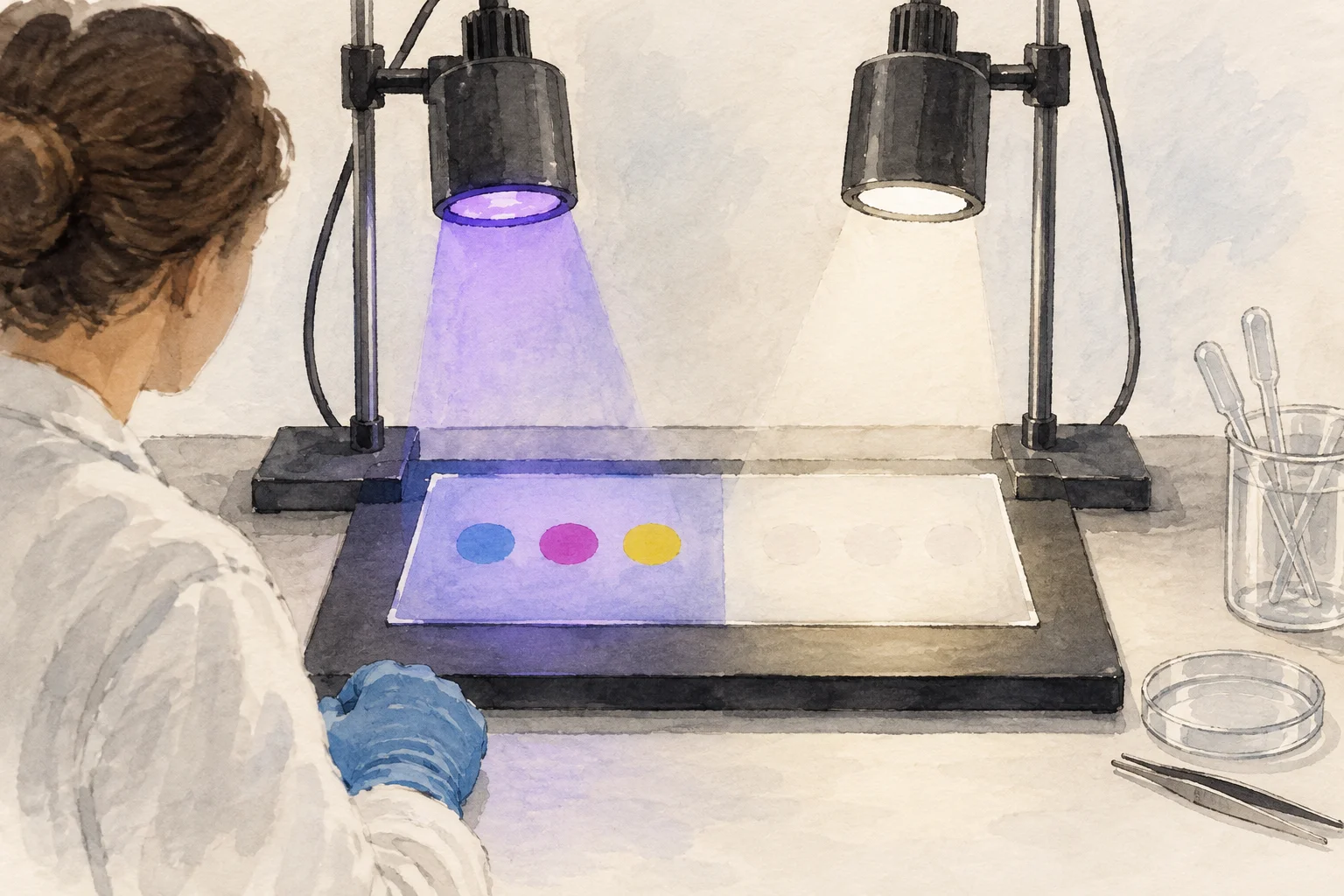
Researchers have developed tattoo inks that switch from almost invisible to vivid colour under ultraviolet light, then become nearly invisible again under bright visible light. The technique changes a tattoo’s appearance without removing the ink from the skin.
Called PhotoTat, the inks were developed by a team led by Carson Bruns at the University of Colorado Boulder. Light-sensitive dyes enclosed in tiny transparent plastic spheres produce blue, magenta and yellow, which can be mixed into other shades.
In a study published in Matter & Light, the researchers created multicoloured patterns in silicone and pig skin samples. In one human participant, Bruns himself, the inks continued responding to light for 1.4 to 2.2 years after tattooing.
One potential use is radiotherapy. Small permanent tattoos help clinicians line up radiation beams for cancer treatment. Light-switchable marks could be revealed in a clinic and made less visible afterwards, reducing a lasting visual reminder of treatment.
The technology is not yet proven safe for people. The specific inks need independent safety testing before widespread use, and the complex multicoloured designs have not yet been demonstrated in human skin. Sunlight can also activate the dyes, so keeping them hidden outdoors would require UV protection.